







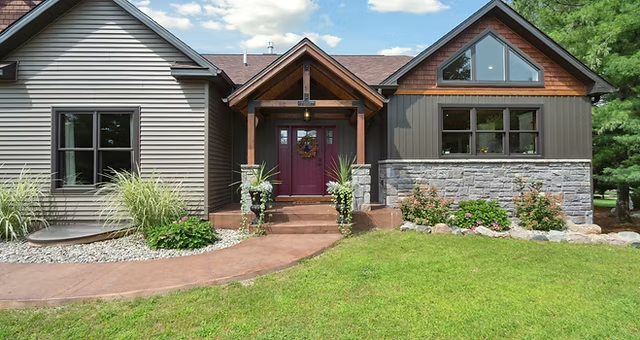
Prefab homes let you move from idea to finished house faster and with more predictable costs than traditional construction, so you can plan your budget and timeline with confidence. You can choose a factory-built model, customize key features, and have a quality-controlled home delivered to your site—often with better energy performance and less on-site disruption than conventional builds.
This article breaks down what prefab actually means, how different types compare, and what to expect when buying and living in a prefab home. Use the guidance to decide whether a modular, panelized, or ready-to-move option fits your goals, site, and financing needs.
Understanding Prefab Homes
You’ll learn what prefab home are, the main construction approaches, and the practical benefits that affect cost, timeline, and quality. Focus stays on concrete differences you’ll encounter when choosing a prefab option.
What Are Prefab Homes
Prefab homes are built from components manufactured off-site in a factory, then transported and assembled on your property. The factory setting lets builders control quality, reduce exposure to weather, and perform repetitive tasks with precise machinery.
You interact with prefab housing through clear phases: design and engineering, factory production of modules or panels, transportation, and on-site assembly and finishing. Permits, site work (foundation, utilities), and inspections still occur locally, so you must factor those timelines and costs into your plan.
Prefab does not mean a single style or lower quality. You can get custom designs, high-end finishes, and energy-efficient systems depending on the manufacturer and your budget.
Types of Prefab Homes
Modular: Fully furnished volumetric sections (modules) are built in a factory and joined on-site. Modules can include finished interiors, minimizing on-site labor and shortening build time.
Panelized: Factory-built wall, floor, and roof panels shipped flat and assembled on-site. Panelization gives you design flexibility and often lower transport costs than volumetric modules.
Manufactured (mobile homes): Built on a permanent chassis and delivered mostly finished. They follow federal HUD code rather than local building codes and typically cost less per square foot.
Hybrid systems: Combine modules and panels or integrate pre-installed mechanical systems. You can select hybrids to balance customization, speed, and cost.
Benefits of Prefabrication
Faster delivery: Factory production runs parallel to site preparation, which often cuts overall schedule by weeks or months compared with stick-built construction. This reduces on-site labor time and exposure to weather delays.
Improved quality control and waste reduction: Consistent factory conditions let builders use precision tools, perform detailed inspections, and reduce material waste. You typically get tighter tolerances on framing and finishes.
Cost predictability and energy performance: Fixed factory processes make pricing more predictable and lower unexpected change orders. Many prefab homes come with pre-installed high-performance insulation, windows, and HVAC options that improve long-term energy bills.
Reduced site disruption: Less on-site construction traffic, noise, and material storage make prefab attractive for constrained lots or neighborhoods with strict site rules.
Buying and Living in Prefab Homes
Prefab homes can lower construction time and give you predictable pricing, but you still need to budget for site work, permits, and transport. Expect trade-offs between upfront cost, design flexibility, and long-term energy savings.
Cost Considerations
Prefab units often cost less per square foot than custom stick-built homes because factory labor and bulk materials cut waste. Ask builders for an itemized quote that separates: factory unit price, delivery and crane fees, foundation and site prep, utility hookups, and local permit/inspection costs.
Factor in these common extra costs:
● Site work: grading, driveway, septic or sewer connections.
● Foundation: slab, crawlspace, or basement options vary in price.
● Transport & installation: oversized loads and crane time can be significant.
● Finishing and landscaping: interior trim, appliances, and exterior grading.
Confirm financing options early. Some lenders treat modular homes like traditional mortgages, while others require construction loans or chattel financing. Compare builder warranties and timelines to avoid surprise expenses.
Customization Options
You can customize prefabs, but level of customization depends on the builder and method (panelized, modular, or kit). Modular systems allow room layouts and finishes to change within factory constraints; panelized systems offer more on-site flexibility.
Decide which elements you must customize: floor plan, façade materials, window sizes, kitchen layout, or mechanical systems. Use a checklist when negotiating:
● Standard vs. upgrade finishes (cabinets, countertops, flooring).
● Structural changes (wall moves, window relocations).
● Mechanical upgrades (HVAC size, heat pump options, solar-ready wiring).
Expect lead times to increase with custom requests. Request drawings and a clear change-order policy that lists costs and schedule impacts before you sign.
Energy Efficiency and Sustainability
Prefab construction supports better energy performance because factories control insulation, air sealing, and quality of assembly. Ask for R-values, blower-door test results, and certifications such as ENERGY STAR or Passive House if available.
Prioritize these features for lower operating costs:
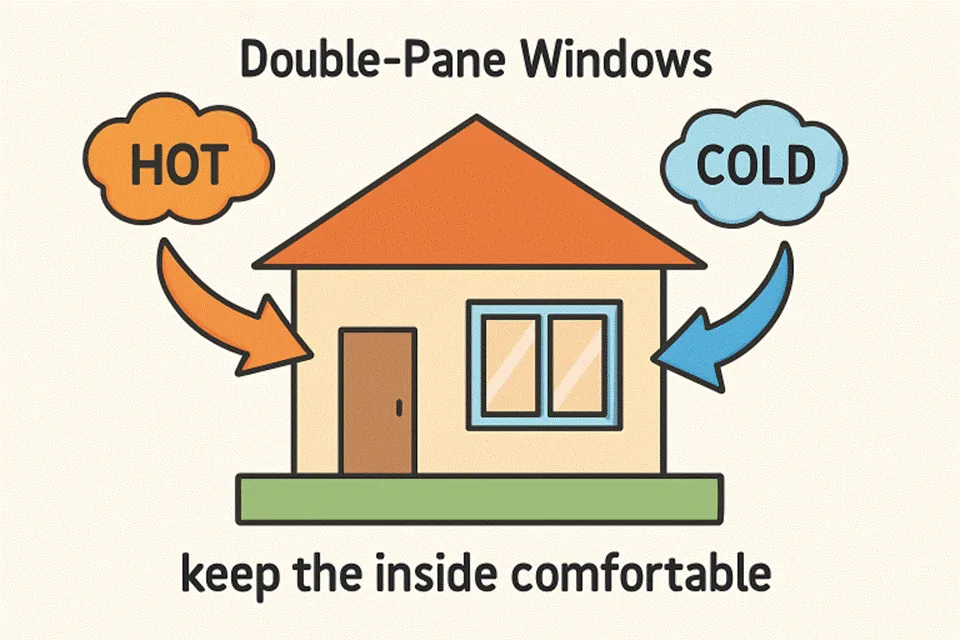
● High-performance windows and continuous exterior insulation.
● Mechanical systems: heat pumps, HRV/ERV ventilation, and smart thermostats.
● Renewable readiness: roof orientation for solar, conduit for future panels.
Evaluate lifecycle benefits too. Factory precision reduces waste, and many builders use reclaimed or low-VOC materials. Request an estimated utility cost comparison and maintenance schedule to see real-world savings.
Discover practical tips—improve your daily life—start now.