Introduction
Keeping products protected during storage, handling and transportation is an important responsibility for manufacturers and distributors. Whether a business supplies delicate equipment, manufactured components or large industrial products, choosing suitable packaging materials can help prevent damage and avoid unnecessary replacement costs.
However, protective packaging does not always need to be heavy or complicated. Some materials provide useful cushioning and structural support while adding very little weight to the finished package. Expanded polystyrene (EPS) is a good example. Its lightweight structure, insulating properties and ease of fabrication make it a practical option for numerous commercial and industrial applications.
Businesses looking for dependable packaging materials can benefit from understanding how Expanded Polystyrene packaging works and where it offers the greatest advantages.
What Is Expanded Polystyrene?
Expanded polystyrene is a lightweight foam material produced from polystyrene beads that expand during manufacturing. The resulting structure consists of numerous small cells containing air, making the finished material approximately 98% air.
This cellular construction gives EPS several useful characteristics. It has a low weight, provides thermal insulation and can be cut or shaped into different forms.
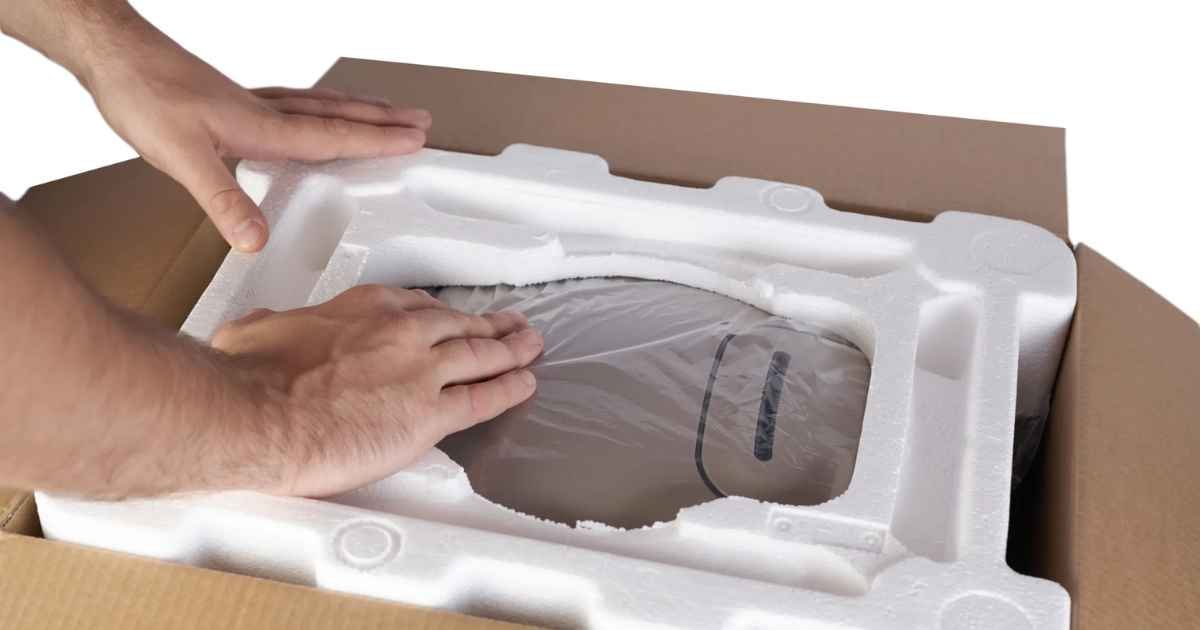
Unlike loose packaging fillers, manufactured EPS fitments can be designed to support particular products. Blocks, end pieces and custom-shaped sections can be positioned around an item to reduce movement and provide protection against everyday knocks and impacts.
EPS is also chemically inert, non-toxic, non-irritant and rot-proof, according to the material information provided by Advanced Protective Packaging.
Why EPS Is Used in Protective Packaging
Manufacturers need packaging materials that are practical to work with and suitable for the products being transported. Expanded polystyrene offers several characteristics that make it useful for this purpose.
Lightweight Construction
One of the biggest benefits of EPS is its low weight. Adding excessive packaging weight can make products more difficult to handle and increase the overall weight of shipments.
Because expanded polystyrene contains a high proportion of air, it can provide protective support without significantly increasing package weight.
This makes it particularly useful when businesses need to transport bulky items or package multiple products in larger quantities.
Cushioning Against Everyday Impacts
Products can experience knocks, drops and vibration while moving through distribution networks.
EPS can help reduce the effects of these incidents by providing a protective structure around the packaged item. Its performance depends on factors such as density, thickness, product weight and the design of the fitment.
For businesses shipping manufactured components, appropriately designed foam supports can help prevent direct contact between products and the external carton.
Thermal Insulation
EPS is also valued for its thermal insulation properties. Its cellular structure helps reduce heat transfer, making it suitable for applications where temperature conditions need to be considered.
This characteristic can be useful in certain food transportation, temperature-sensitive storage and specialist packaging applications.
The complete packaging system must still be designed around the required temperature range and transportation duration.
Resistance to Moisture
Expanded polystyrene has relatively low water absorption and permeability compared with many conventional packaging materials.
This can make it suitable for applications where packaging may encounter damp conditions. Nevertheless, additional protection may be necessary where products require complete moisture barriers.
The Advantages of Expanded Polystyrene Blocks
Standard foam sheets and packaging fillers are not always suitable for products with unusual dimensions. In these situations, Expanded polystyrene blocks provide a practical starting point for creating protective supports and customised packaging components.
Blocks can be cut, shaped and fabricated to match specific product requirements. This flexibility allows manufacturers to create packaging that supports the product at important contact points.
For example, a company shipping large manufactured equipment might use shaped EPS sections to support the corners and edges of the item. Another business may require multiple smaller blocks to keep individual components separated inside a carton.
The ability to modify the material makes it useful for both straightforward packaging projects and more specialised applications.
Advanced Protective Packaging stocks EPS blocks that can be used for protective packaging, insulation and other commercial requirements.
Industrial and Commercial Applications
EPS is not limited to traditional shipping boxes. Its combination of low weight, insulation and ease of shaping makes it suitable for different industries.
Manufacturing and Engineering
Manufacturers frequently need to move components between production facilities, suppliers and customers. EPS supports can help secure these products during transportation.
Custom-shaped sections can also be used to separate multiple components inside one package, reducing the likelihood of items contacting each other.
Construction and Insulation
Expanded polystyrene is commonly used in construction applications because of its thermal insulation properties and lightweight structure.
Depending on the specification, EPS products can be used in floor and wall insulation systems. Its suitability depends on the requirements of the particular building application and relevant installation standards.
Film and Theatre Production
EPS can also be cut and sculpted into decorative shapes, scenery elements and lightweight display structures.
Its ease of fabrication makes it useful for creative projects where large objects need to be produced without introducing excessive weight.
Warehousing and Distribution
Businesses storing and dispatching products can use EPS blocks and fitments to support goods during handling and storage.
Its lightweight nature can make packaging operations easier, particularly where staff regularly prepare large quantities of shipments.
Choosing the Correct EPS Specification
Not every polystyrene product is suitable for every packaging requirement. Selecting the correct specification requires consideration of how the material will be used.
Several factors should be reviewed before choosing a solution:
- Product weight: Heavier products may require a different material density or support arrangement.
- Dimensions: The size and shape of the item determine how the foam should be cut and positioned.
- Handling conditions: Consider whether products will experience stacking pressure, repeated movement or accidental impacts.
- Environmental conditions: Temperature and moisture exposure may influence the packaging design.
- Fire performance: Certain applications may require flame-retardant grades, subject to the relevant product specification.
- External packaging: The strength and dimensions of the carton should complement the internal foam fitments.
Taking these factors into account can help businesses avoid choosing materials that are either insufficient for the application or unnecessarily expensive.
Why Work with a Specialist Packaging Manufacturer?
Selecting a suitable foam is only part of the packaging process. The design of the complete package also matters.
Advanced Protective Packaging provides standard and bespoke polystyrene packaging for businesses across the UK. Its design service allows customers to discuss individual product requirements and explore suitable configurations.
One useful feature of its service is that design and samples are supplied without charge. The company can also provide an outer carton where required, helping businesses assess the complete packaging arrangement.
Because EPS can be cut and shaped without traditional tooling, development can be relatively straightforward. CNC programming and fabrication can also be used where a more precise design is needed.
Advanced supplies both internal packaging fitments and external boxes and cartons. This allows the strength of the outer carton to be matched with the protective support inside.
Sourcing these components from one supplier can also simplify purchasing, reduce administrative work and make stock management easier.
Considering Cost and Material Efficiency
Packaging costs involve more than the purchase price of individual materials. Businesses should also consider handling time, transportation requirements, storage and the potential expense of damaged products.
EPS can be an economical choice for suitable applications because of its low material weight and relatively straightforward fabrication process.
However, the most cost-effective solution is not necessarily the cheapest foam available. It is the material and design that provide an appropriate level of protection without unnecessary complexity.
Reviewing packaging dimensions and removing unused space can also help improve material efficiency.
Conclusion
Expanded polystyrene offers manufacturers, distributors and commercial businesses a lightweight and versatile packaging material. Its insulating properties, low weight and ability to be cut into customised shapes make it useful for protecting products across different industries.
From industrial shipping and warehouse storage to construction insulation and creative applications, EPS provides flexibility for a wide range of requirements.
For businesses considering Expanded Polystyrene packaging, working with a specialist manufacturer can help identify the right material specification and design. Advanced Protective Packaging supplies standard and customised EPS products, including Expanded polystyrene blocks, helping customers develop practical solutions for their packaging and insulation needs.
Disclaimer: This article is for general informational purposes only and does not constitute professional, technical, or regulatory advice. Expanded polystyrene (EPS) specifications, density, load performance, thermal insulation values, fire performance, and suitability vary by product and application, and may change without notice. Fire performance requirements vary by application and jurisdiction; where flame-retardant grades are required, readers should verify the product specification and applicable building or transport regulations directly with the manufacturer. Product protection claims depend on packaging design, product weight, handling conditions, and transit environment—no material guarantees damage-free shipment in every case. References to Advanced Protective Packaging are based on the company’s stated information and are not an independent endorsement. Readers should test packaging under realistic conditions and verify all material specifications, compliance requirements, and service details directly with the supplier before purchasing. The author and publisher disclaim any liability for decisions made based on this content.
Make consistency your competitive edge—our discipline-building tips help you show up even when you don’t feel like it.