Introduction
In the family entertainment industry, having attractive equipment and a convenient location is not always enough to make a business stand out. Parents often compare several venues before deciding where to take their children. A recognizable brand can help an indoor playground communicate what makes it different and give families a reason to remember it.
Brand identity is more than a business name or logo. It includes the venue’s appearance, customer service, atmosphere, communication style, and the experience visitors receive. When these elements work together, they create a consistent impression that can support customer loyalty and long-term business growth.
Define the Playground’s Unique Identity
The first step in building a strong brand is deciding what the business wants to represent.
Some indoor playgrounds focus on younger children and family-friendly soft play. Others provide energetic attractions for older children, while larger entertainment centers may combine several activity categories.
Business owners should identify their main audience and determine what type of experience they want to provide.
Consider questions such as:
- Which age groups will the venue primarily serve?
- Will the business focus on active play, imaginative experiences, or a combination?
- What makes the facility different from nearby entertainment options?
- Will birthday parties and group events be important services?
- What atmosphere should families associate with the venue?
The answers can help establish a clear brand position. A business that understands its identity can make more consistent decisions about interior design, equipment, pricing, marketing, and customer service.
Choose a Memorable Business Name and Logo
A business name is often the first element customers notice. It should be easy to remember, pronounce, and recognize.
Names connected to imagination, discovery, movement, or family entertainment may help communicate the nature of the business. However, operators should avoid choosing a name that is too similar to an existing local competitor.
Before finalizing a name, check its availability for business registration, website domains, and social media accounts where relevant.
The logo should be recognizable across different formats. It may appear on the entrance sign, staff uniforms, ticketing materials, website, social media graphics, and promotional merchandise.
A simple design is often easier to use consistently than a complicated illustration with many small details. Choose colors and typography that match the intended personality of the venue.
For example, a playful brand may use bright colors and friendly lettering, while a modern family entertainment center might prefer a more structured visual style.
Create a Consistent Interior Experience
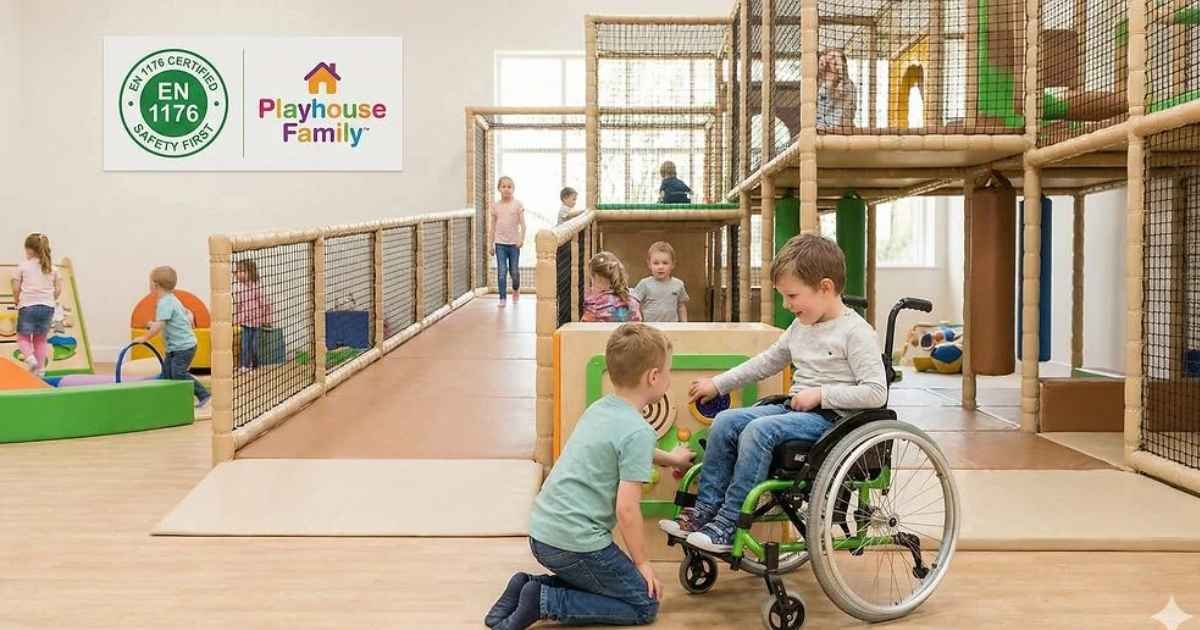
The physical venue is one of the strongest expressions of an indoor playground brand. Customers should be able to recognize the business through its colors, decoration, signage, and general atmosphere.
Start by selecting an interior theme that supports the brand identity. Jungle adventures, underwater worlds, outer space, fantasy environments, and modern activity centers can all provide different visual directions.
The theme should connect the reception area, play zones, party rooms, and waiting spaces. Consistency makes the venue feel carefully planned rather than like a collection of unrelated attractions.
Equipment selection is an important part of this process. The colors, shapes, and arrangement of play structures should complement the wider concept.
Working with an experienced Indoor Playground Manufacturer can help business owners explore equipment options that match their preferred design direction and available space.
Share the intended theme, floor plan, target age groups, and desired visitor experience during early discussions. This can help align the equipment concept with the overall identity of the business.
Develop an Attraction Mix That Reflects the Brand
A brand promise should match what visitors actually experience. If a business promotes itself as an adventure destination, its attractions should provide opportunities for exploration and active participation.
A family-focused venue may combine soft play, slides, climbing structures, interactive games, and imaginative play areas. A more energetic entertainment center may include additional movement-based activities.
Trampoline attractions can also contribute to a venue’s identity. They may be suitable for businesses that want to offer a more active entertainment experience alongside other play options.
When considering this category, operators can explore solutions with a Trampoline Park Equipment Manufacturer. The equipment should be selected according to the property’s dimensions, intended users, operating model, and wider attraction mix.
It is important to avoid choosing attractions only because they look impressive. They should support the experience the business wants customers to associate with its brand.
Make Customer Service Part of the Brand
A strong visual identity may attract first-time visitors, but customer service influences whether they return.
Families should receive clear information before arriving. Website content, booking confirmations, admission details, and venue rules should all be easy to understand.
At reception, employees should welcome visitors politely and explain important information without creating unnecessary delays. Staff working in activity areas should be approachable and familiar with the operating procedures.
Consistency matters. Customers should receive a similar standard of service whether they visit on a quiet weekday or during a busy weekend.
Businesses should also establish a clear process for handling complaints, booking changes, and customer questions. Responding professionally can help protect the brand’s reputation even when something does not go according to plan.
Build a Recognizable Online Presence
Many parents research entertainment options online before choosing a venue. A professional digital presence helps a playground communicate its identity and reach potential customers.
The website should include essential information such as:
- Business location and contact details.
- Opening hours and admission options.
- Main attractions and suitable age groups.
- Birthday party packages.
- Photographs of the venue.
- Booking instructions and frequently asked questions.
Search engine optimization can help the business appear when local families search for indoor playgrounds, children’s activities, or birthday venues.
Create useful content that answers common customer questions. For example, articles about planning children’s birthday parties, indoor activities during rainy weather, or choosing suitable play experiences can attract relevant visitors.
Social media should use the same visual identity as the website. Consistent profile images, colors, photography, and messaging help customers recognize the business across different platforms.
Use Photography and Video to Communicate the Experience
Visual content can help parents understand what a playground offers before visiting.
Photographs should show the main attractions, party areas, reception, seating, and other useful facilities. Images should be clear and representative of the actual venue.
Short videos can demonstrate how different activity zones work and highlight the general atmosphere. Seasonal decorations, special events, and birthday celebrations can also provide interesting content.
Always obtain appropriate permission before publishing identifiable photographs or videos of children. Businesses should establish clear procedures for collecting and managing customer consent.
Avoid using heavily edited images that create unrealistic expectations. Honest presentation helps customers feel confident about what they will experience.
Create Loyalty Through Repeat Engagement
A successful brand should give customers reasons to return.
Membership programs, multi-visit passes, birthday offers, and seasonal activities can encourage repeat visits. Businesses may also introduce special sessions for different age groups or organize events during school holidays.
The most effective offers are easy to understand and genuinely useful to families.
Customer communication can support these efforts. With appropriate permission, operators can send updates about upcoming events, new attractions, and special promotions.
Feedback should also be encouraged. Ask visitors what they enjoyed and where improvements could be made. Acting on useful suggestions shows that the business values its customers.
Loyalty develops through repeated positive experiences, not simply through discounts or promotional messages.
Maintain the Brand as the Business Grows
As an indoor playground expands, its identity should remain consistent. New attractions, additional locations, and updated services should reflect the original brand position.
A simple brand guide can help maintain consistency. It may include the approved logo, colors, fonts, photography style, writing tone, and basic communication guidelines.
Staff members should understand the brand’s values and how they relate to daily customer interactions.
Regularly review the website, social media pages, signs, and printed materials. Outdated prices, inconsistent branding, or incorrect opening information can weaken customer confidence.
If the business changes its direction, update its communication carefully so customers understand what has improved.
Conclusion
A strong brand identity helps an indoor playground become more than a place filled with entertainment equipment. It gives the business a recognizable personality and communicates the experience families can expect.
By defining a clear audience, choosing a memorable identity, coordinating interior design, selecting suitable attractions, and maintaining consistent customer service, operators can build a brand that stands out in the family entertainment market.
Long-term success comes from delivering on the promises made through marketing. When the venue’s appearance, activities, and service all support the same identity, families have more reasons to remember it and return.
Disclaimer: This article is for general informational purposes only and does not constitute professional marketing, business, or child-safety advice. Branding outcomes, equipment suitability, venue regulations, and customer expectations vary by market, location, and business circumstances, and may change without notice. Indoor playgrounds are subject to child-safety, accessibility, fire, and insurance requirements that vary by jurisdiction—readers must verify all equipment safety standards, installation requirements, and licensing obligations with qualified professionals and relevant authorities. Photography and video of children require appropriate consent procedures and compliance with applicable privacy laws. Any mention of specific equipment categories or manufacturers (including Indoor Playground Manufacturer and Trampoline Park Equipment Manufacturer) does not imply endorsement. The author and publisher disclaim any liability for decisions made based on this content.
Get inspired by wisdom that stays with you—dive into our memorable articles and carry the value long after you finish reading.