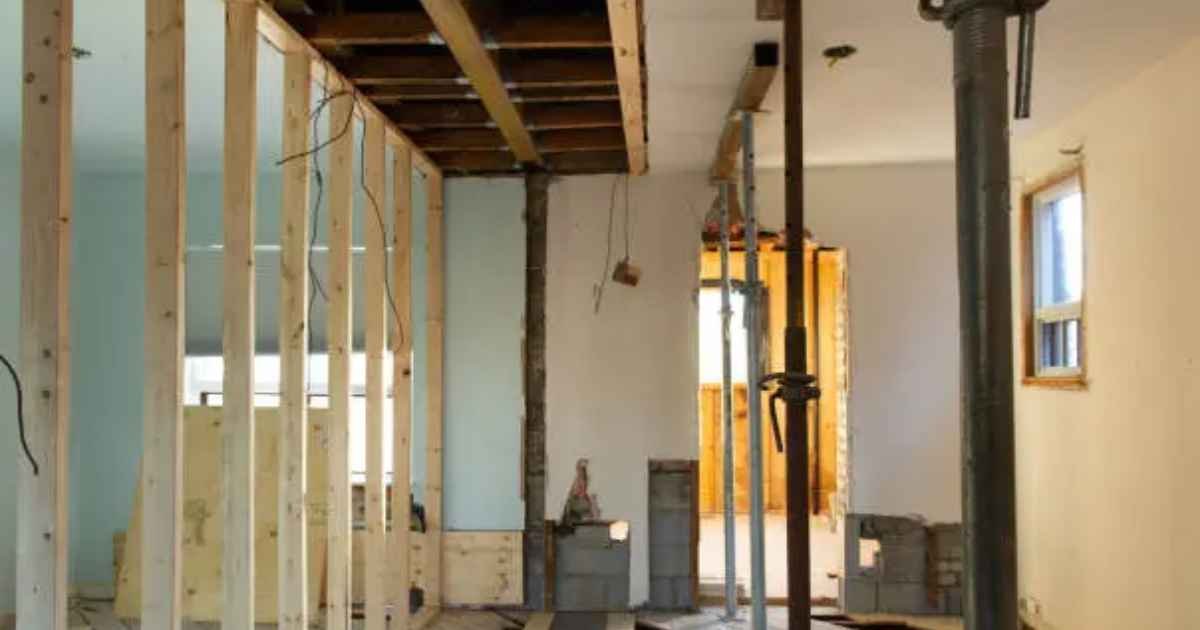
A basement support system does more than hold up the floor above it. It transfers weight from floor joists and beams down to a stable foundation. When a support becomes weak, floors may sag, doors may stick, and cracks may appear in walls. Choosing the right support requires understanding how your home’s structure works.
Jack posts are adjustable steel supports used to hold beams and other structural members. They can help during renovations, repairs, and structural work. However, not every model is suitable for permanent use. Some are designed for temporary support, while others have specific approvals for longer term structural applications.
Homeowners should understand the difference before buying. A post that fits the basement ceiling may still have an unsuitable load rating. Its footing, height, material, and installation also affect its performance.
How Do Basement Jack Posts Support a Home?
A basement jack support post sits between a concrete footing and a load carrying beam. It transfers the weight of the structure above into the ground below. This creates a more direct path for the load and helps reduce pressure on unsupported sections of a beam.
Floor joists usually rest on horizontal beams. These beams carry the combined weight of flooring, furniture, walls, and people. When a beam has insufficient support, it may bend or cause the floor above to become uneven.
A properly selected support column can help address this problem. However, the column must match the structural requirements of the building. Simply placing a metal post under a weak beam does not correct every type of structural damage.
For homeowners planning renovation work, choosing the right support begins with identifying the load, measuring the available height, and checking the condition of the existing beam. A structural professional can determine whether additional support is necessary and where it should go.
Types of House Jacks Used for Basement Repairs
Different support systems serve different purposes. Some help contractors hold a structure during repairs. Others provide permanent support after the work is complete. Understanding these options makes it easier to choose a suitable system.
Adjustable Steel Support Posts
Adjustable steel posts use a threaded screw or telescoping mechanism. This allows the installer to change the height to fit the space. They are commonly used during renovation projects and temporary structural work.
Their adjustable design makes positioning easier. However, their intended use depends on the model and its engineering approval. Some products provide temporary or supplemental support only. Others may be approved for permanent structural applications when installed according to their specifications.
Permanent Steel Columns
Permanent steel columns provide long term support for beams and structural loads. They may have a fixed height or an approved adjustment mechanism. Some designs use concrete filled steel tubes to provide additional structural strength.
These columns require correct sizing and installation. The supporting footing must also handle the transferred load. Homeowners should check the product’s structural documentation and local building requirements before selecting one.
Temporary Construction Jacks
Temporary construction jacks support a structure while contractors complete repairs or modifications. They can hold a beam while an existing post is replaced or a new structural member is installed.
These supports are useful during controlled construction work. However, they should not automatically remain in place after the project. Their permitted use depends on the manufacturer’s instructions and the project’s structural design.
How Do You Choose the Right Jack Post for Your Home Renovation?
Choosing a support column requires more than comparing product dimensions. You need to understand the structure, expected load, installation space, and foundation condition. Each factor affects whether a particular model is suitable.
Start by identifying the beam or structural member that needs support. Check whether the problem comes from a sagging beam, a damaged post, or a change made during renovation. Then have the required support location and load assessed before choosing a product.
Consider these important factors before buying.
1. Check the Required Load Capacity
Every support post has a specified load capacity under certain conditions. This rating tells you how much weight the product can safely carry within its tested configuration. It should never be treated as a general number that applies to every installation.
Post height can affect its capacity. A taller column may have a greater risk of bending or buckling under pressure. The rating can also depend on the post’s material, design, adjustment range, and connection points.
Check the manufacturer’s technical information. Compare the rated capacity with the actual structural requirements. A structural engineer should determine the required capacity when the post will carry a building load.
2. Measure the Basement Ceiling Height
Accurate measurements help you identify suitable support dimensions. Measure the distance between the intended footing and the underside of the beam. Do not measure from an unrelated floor or ceiling surface.
Also check the adjustment range. A post should fit within its approved range without excessive screw extension. Using a support beyond its specified height can reduce its stability and load capacity.
3. Examine the Existing Beam
A support post cannot fix every beam problem. Check for splitting, rot, moisture damage, severe bending, and other visible defects. These conditions may require beam replacement or additional structural repairs.
The beam must also distribute the load correctly across the support. A small contact area or poor alignment can create concentrated pressure. Professional assessment helps identify whether the beam itself needs attention.
4. Review the Product Specifications
Read the technical information before making a purchase. Look for the material, diameter, adjustment range, rated capacity, connection requirements, and approved applications.
Also check whether the product is intended for temporary or permanent support. A product description alone may not provide enough information. Ask for engineering documentation when its structural use is unclear.
How to Choose the Right Support Column for Basement Reinforcement
Basement reinforcement requires a complete support plan. The goal is to transfer structural weight safely into a suitable foundation. The selected column must work with the beam, footing, and surrounding structure.
When choosing a support column for basement reinforcement, consider its load rating, height, material, footing requirements, and connection details together. A column that meets one requirement may still be unsuitable if the foundation cannot carry its load.
Consider the Column Material
Steel is widely used for structural support because it offers strength and consistent dimensions. Its performance depends on the grade, thickness, diameter, and overall design. Different steel columns can have different load ratings.
Moisture is another important factor. Basements can experience condensation, leaks, and high humidity. A protective coating can help reduce corrosion, but damaged coatings may expose the metal to moisture.
Inspect the product’s finish and maintenance requirements. Consider the basement’s moisture conditions before choosing a material or coating.
Check the Base and Top Plates
The base plate transfers the load from the column into its footing. The top plate connects the support to the beam above. Both connections must be suitable for the intended structural application.
A narrow or poorly positioned plate can create uneven pressure. The column should also remain properly aligned. Follow the manufacturer’s connection instructions and the approved structural design.
Understand Footing Requirements
The footing is one of the most important parts of a support system. It spreads the column’s load across a larger area of soil. Without sufficient support underneath, the post may sink or shift.
A basement concrete slab is not automatically a suitable footing. Its thickness, reinforcement, condition, and underlying soil all matter. Some installations require a separate concrete footing beneath the slab.
The required footing size depends on the structural load and soil conditions. A qualified professional can assess these factors and specify an appropriate foundation design.
Temporary Support vs. Permanent Basement Support
One of the most important buying decisions is knowing whether the support will stay in place. Temporary and permanent systems may look similar, but their intended applications can differ significantly.
Temporary supports help contractors hold a structure while completing repairs. They can support a beam during post replacement or other renovation work. Once the permanent support system is ready, the temporary equipment can be removed.
Permanent columns are designed for continued structural use. They must meet applicable building requirements and have suitable engineering documentation. Their footing and connections must also be designed for the expected load.
Some adjustable steel columns are approved for permanent use. Others are not. Never assume that an adjustable design is automatically suitable for long term support.
Jack Posts vs. Lally Columns: What Is the Difference?
Jack posts and Lally columns both support structural loads, but their designs can differ. Understanding those differences helps homeowners avoid choosing equipment for the wrong purpose.
Jack posts commonly use two steel sections with an adjustment mechanism. This design allows changes in height during installation. They are often used for temporary support and controlled renovation work.
Lally columns are commonly made from steel tubes filled with concrete. Many traditional versions have a fixed height. They are often used as permanent structural supports.
However, product designs vary. Some modern columns have adjustable features and specific structural approvals. Always compare the intended application and technical documentation rather than relying on the product name alone.
Can You Install Support Columns Yourself or Hire a Professional?
Installation depends on the type of work and the structure involved. A simple supplemental support installation is different from replacing a load bearing post or correcting a sagging floor.
Homeowners may be able to handle limited support work when the structure is already sound and the product instructions permit it. However, replacing a load bearing column, lifting a sagging floor, or changing the support layout should involve a qualified professional. These jobs can affect the stability of the entire building.
Situations Where Professional Help Matters
Hire a structural engineer or qualified contractor when:
- A floor has developed noticeable sagging.
- Basement walls show new or growing cracks.
- An existing support post is leaning or damaged.
- You plan to remove a load bearing wall.
- A beam needs replacement or reinforcement.
- The basement footing shows signs of movement.
- You are unsure about the required load capacity.
A professional can assess the cause of the problem and develop a suitable support plan. This helps prevent damage caused by incorrect positioning or excessive lifting.
Why Incorrect Installation Creates Problems
A support column must stand vertically and rest on a suitable base. If it leans, shifts, or sits on an unsuitable surface, it may not carry the intended load.
Incorrect adjustment can also cause problems. Raising a beam too quickly may damage drywall, flooring, doors, and other parts of the house. Structural movement should follow a controlled plan.
Follow the manufacturer’s instructions and applicable building codes. Never rely on guesswork when working with a load bearing structure.
Common Mistakes to Avoid When Buying Basement Supports
Buying a support column without checking its intended use can create unnecessary risks. A few common mistakes can affect the entire support system.
Choosing Only by the Advertised Load Rating
A high load rating may look attractive, but it does not tell the whole story. The rating may apply only at a specific height or under certain test conditions. The footing and connection details also affect the complete system.
Always review the technical specifications. Make sure the rating matches the actual installation requirements.
Ignoring Basement Moisture
Moisture can cause corrosion on unprotected steel surfaces. Rust may weaken the material over time, especially when it affects important structural areas.
Look for suitable corrosion protection. Also address leaks, poor drainage, and condensation before installing new support equipment.
Using Temporary Equipment as Permanent Support
This is a common misunderstanding. An adjustable post may appear strong enough to hold a beam, but that does not mean it is approved for permanent use.
Check its intended application and engineering documentation. Choose a permanent structural column when the project requires one.
Installing a Post Without Checking the Footing
A support post needs a stable surface beneath it. Placing it on a thin or damaged concrete slab may not provide enough support.
Have the footing assessed before installation. The soil beneath it must also be able to carry the transferred load.
How to Inspect and Maintain Basement Support Columns
Regular inspection helps identify visible problems before they become more serious. Homeowners should pay attention to changes around the support system, especially in older basements.
Look for rust, bending, loose connections, and movement around the base. Check whether the post remains straight and properly positioned. Also examine the beam above it for cracks or signs of damage.
Moisture deserves special attention. Water around the footing can affect the surrounding concrete and soil. Address leaks and drainage problems rather than treating the support post as the only concern.
Do not tighten or adjust a loaded structural column without professional guidance. Changes to its position can alter how the building distributes weight. If you notice movement or new structural cracks, arrange a professional inspection.
When Does a Basement Need Additional Structural Support?
Not every uneven floor requires a new support column. Some problems come from damaged joists, moisture, or foundation movement. Identifying the cause helps determine which repair is appropriate.
Watch for these warning signs:
- Floors that slope or feel unusually soft.
- Beams with visible cracks or bending.
- Wooden support posts showing rot or damage.
- Doors and windows that suddenly become difficult to close.
- Cracks appearing near basement walls or structural openings.
- Visible movement around existing support columns.
These signs do not always mean a new column is necessary. Some may indicate a foundation or drainage problem. A professional inspection can help identify the actual cause.
When Additional Support May Be Appropriate
A support column may be part of a repair when an existing beam has insufficient support. It may also be needed when a renovation changes the original load distribution.
For example, removing an interior wall can change how weight moves through the house. A new beam and properly designed columns may be needed to carry that load. The structural design should determine the number and position of supports.
What to Check Before Buying Basement Jack Posts
Before purchasing basement jack posts, prepare a basic checklist. This makes it easier to compare specifications and avoid unsuitable products.
Consider the following:
| Buying factor | What to check |
| Load capacity | Rated capacity at the required height |
| Adjustment range | Minimum and maximum approved height |
| Material | Steel grade and construction |
| Column design | Temporary or permanent application |
| Base plate | Suitable contact and connection |
| Top plate | Compatibility with the supported beam |
| Footing | Required concrete base and soil support |
| Protection | Corrosion-resistant finish |
| Documentation | Engineering approval and installation instructions |
Do not choose a product based on appearance alone. Two columns may look similar but have different structural ratings. Compare their technical specifications and intended uses.
Also consider the available working space. Pipes, electrical wiring, ducts, and basement openings may affect the installation location. These obstacles should be considered during structural planning.
Frequently Asked Questions
What are jack posts used for in a basement?
They support beams and other structural members during repairs or renovation work. Some approved models can also provide permanent structural support.
Are basement jack posts suitable for permanent support?
Some are, but others are designed only for temporary or supplemental use. Check the manufacturer’s engineering documentation and local building requirements.
What size support column do I need for my basement?
The required size depends on the structural load, column height, beam design, and footing. A structural engineer can determine the appropriate specifications.
Can I install a support column without professional help?
Limited supplemental work may be possible when the structure is sound and instructions permit it. Structural replacements and floor lifting should involve qualified professionals.
Do basement support columns need concrete footings?
Permanent support columns generally require properly designed footings. An existing basement slab may not have enough thickness or strength to carry concentrated structural loads.
Final Thoughts
Choosing a basement support system requires careful planning. The right column must match the building’s structural needs, available space, and foundation conditions. Load capacity alone is not enough to make a safe decision.
Before buying, check the product specifications, adjustment range, material, and intended application. Pay close attention to the footing and connection requirements. These details affect how the entire support system performs.
Basement jack posts can be useful during renovation and structural repairs. However, homeowners should understand the difference between temporary and permanent support. When the work involves a load bearing beam or foundation, professional guidance is the safer approach.
A properly planned support system helps maintain structural stability. It also reduces the risk of choosing equipment that cannot handle the intended application.
Disclaimer: The information in this article is for general informational purposes only and does not constitute professional structural, engineering, or construction advice. Load capacities, installation requirements, footings, and building code compliance vary by structure, product, and jurisdiction, and may change without notice. Readers should consult a licensed structural engineer or qualified contractor before purchasing or installing any support column, and verify all product documentation and local building requirements. Improper installation can affect building stability and safety. Any mention of products or services does not imply endorsement. The author and publisher disclaim any liability for decisions made based on this content.
Build a mindset that makes learning a daily habit—our daily-learning guides help you grow a little smarter every single day.