You rely on copper every day—inside your phone, wiring, plumbing, and the clean technologies reshaping transport and power. Copper mining supplies the raw metal that powers modern life, and understanding how it’s extracted, processed, and regulated helps you see the trade-offs between resource needs and environmental limits.
This article walks through how copper moves from ore to usable metal, the typical mining methods used, and the environmental and economic impacts that shape decisions at every stage. Expect clear explanations of the mining process, the risks and benefits for communities and markets, and what the future of copper supply could mean for your devices and energy systems.
Copper Mining Process
You will follow three main stages: locating viable copper deposits, choosing an extraction method based on geology and economics, and converting ore into market-grade copper through physical, chemical, and electrochemical steps.
Exploration and Discovery
You start with geological mapping, airborne and ground geophysics, and geochemical sampling to target chalcopyrite-, bornite-, or oxide-rich zones. Drilling programs then define grade, thickness, and continuity; core logging and assaying give the copper percentage and associated minerals.
Permit and baseline environmental studies run alongside exploration to identify water, biodiversity, and community constraints that affect mine feasibility. You evaluate ore tonnage and cut-off grade to estimate mineral reserves and determine whether an open-pit or underground approach is viable.
Economic modeling uses metal prices, recovery rates, and capital/operating cost estimates to decide whether to advance to development.
Extraction Techniques
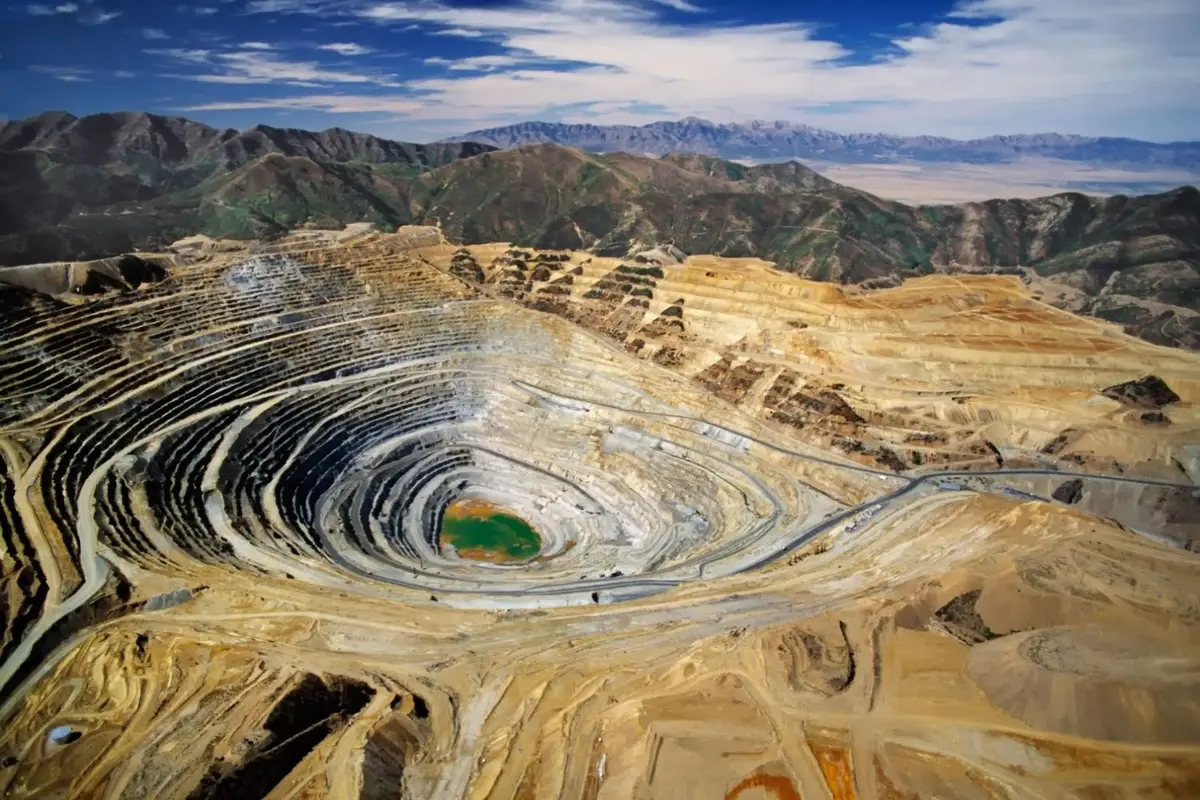
You choose surface (open-pit) or underground mining based on deposit depth, shape, and host rock strength. Open-pit methods include drill-and-blast, loading, and hauling; contractors or owner-operators move millions of tonnes of waste and ore using shovels and haul trucks.
Underground options include block caving, cut-and-fill, and stoping; these apply when higher grades occur at depth and when surface disturbance must be limited. You assess geotechnical stability, ventilation, and ground support requirements before committing.
Heap leaching suits oxide ores, while sulfide ores normally go to milling and concentration; water management and tailings handling remain critical across techniques.
Ore Processing and Refinement
You process ore by first crushing and grinding to liberate copper minerals from the gangue. For sulfide ores, flotation concentrates the copper minerals into a higher-grade material typically 20–30% Cu that then proceeds to smelting.
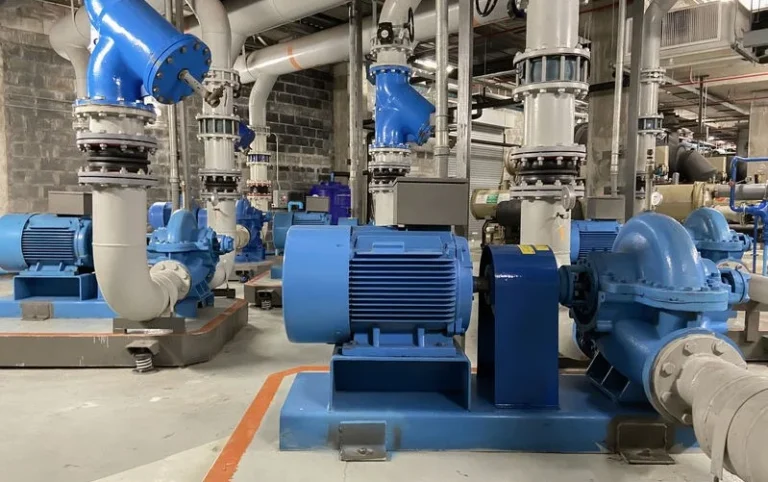
For oxide ores, you use hydrometallurgy: heap leaching with acid, followed by solvent extraction and electrowinning (SX-EW) to produce cathode copper at >99.9% purity. Smelting of concentrates produces blister copper (~98–99% Cu), which the refinery then converts to cathodes through fire refining and electrorefining.
You monitor reagent use, energy consumption, and recovery rates throughout to optimize metal yield and minimize environmental footprint.
Environmental and Economic Impact
Copper mining affects air, water, soil, habitats, and local economies through waste generation, energy use, and global market forces. You will read about regulatory and operational controls, ways to reduce environmental harm, and how demand and prices shape investment and social outcomes.
Environmental Management
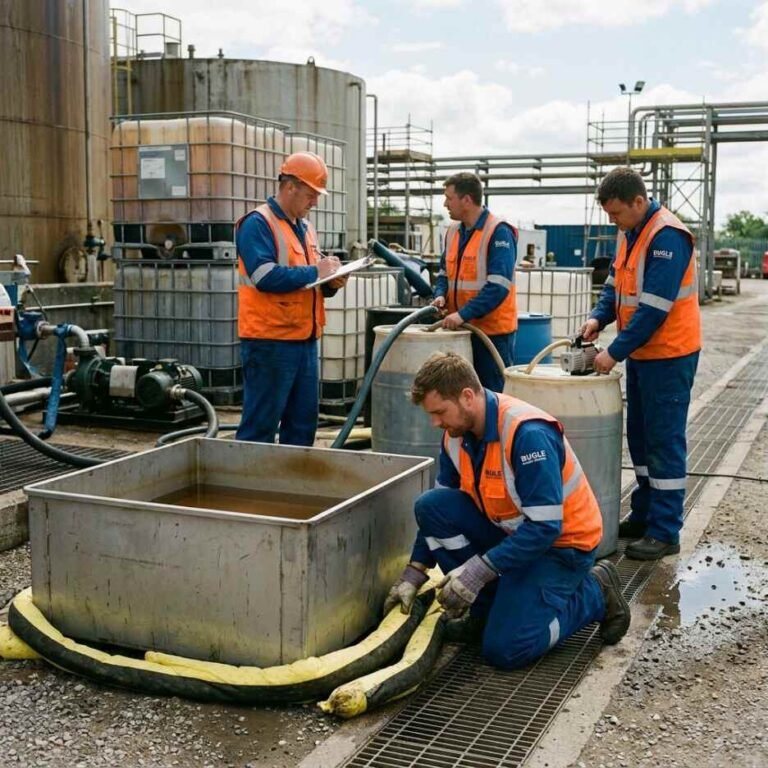
You must manage tailings, smelter emissions, and wastewater to control contamination risks. Implementing lined tailings storage, continuous water treatment, and fugitive dust controls reduces leakage of heavy metals and sulfur compounds into groundwater and air.
Monitoring matters: frequent soil and water sampling, real-time air-quality sensors, and geotechnical inspections lower the chance of undetected failures. Emergency response plans and community notification systems help you address incidents quickly.
Regulatory compliance drives operations. Permits, environmental impact assessments, and closure bonds force companies to plan waste handling, reclamation, and long-term monitoring before you approve new projects.
Sustainable Practices
Recycling copper and improving ore-processing efficiency cut primary production needs and emissions. You should prioritize secondary copper from scrap, which uses far less energy than smelting primary ore.
Adopt low-emission technologies: electric mining fleets, sulfide ore flotation improvements, and smelter sulfur capture systems reduce CO2 and SO2 outputs. Water recycling and dry-stack tailings conserve water and reduce seepage risks in arid regions.
Engage local communities through benefit-sharing, health monitoring, and reclamation jobs to reduce social conflict. Use life-cycle assessment tools to quantify gains from process changes and guide investments that lower overall environmental footprints.
Market Trends and Demand
Global electrification, renewable-energy growth, and electric vehicles drive rising copper demand for wiring, motors, and grid infrastructure. You should expect demand spikes tied to battery and renewable projects, influencing mine expansion decisions.
Price volatility affects project economics: higher copper prices accelerate permitting and capital deployment, while downturns delay development and mine closure. Investors watch grade trends—declining average ore grade increases costs per tonne and encourages investment in higher-efficiency processing.
Policy and supply-chain scrutiny influence sourcing choices. Buyers increasingly require traceability, environmental disclosure, and certified low-impact copper, which shifts capital toward mines that can demonstrate reduced emissions and robust community engagement.
Disclaimer
This article is provided for informational and educational purposes only and does not constitute professional, financial, or environmental advice. Mining practices, technologies, and regulations may vary by region and can change over time. Readers are encouraged to verify information through official sources or consult qualified industry professionals before making any decisions. The author does not guarantee the accuracy or completeness of the information and is not responsible for any actions taken based on this content.
Curious to learn more? Explore articles that will guide you forward.