Most people think of a polygraph test as a lie detector. Simple, right? You sit in a chair, answer questions, and a machine decides if you’re telling the truth. That’s the version we see in movies—sharp questions, rising tension, a dramatic reveal.
Real life is quieter. And a lot messier.
The polygraph test isn’t a truth machine. It’s a tool that tracks your body’s reactions. That difference matters more than most people realize.
Let’s unpack what’s actually going on when someone gets hooked up to those wires.
The idea behind the machine
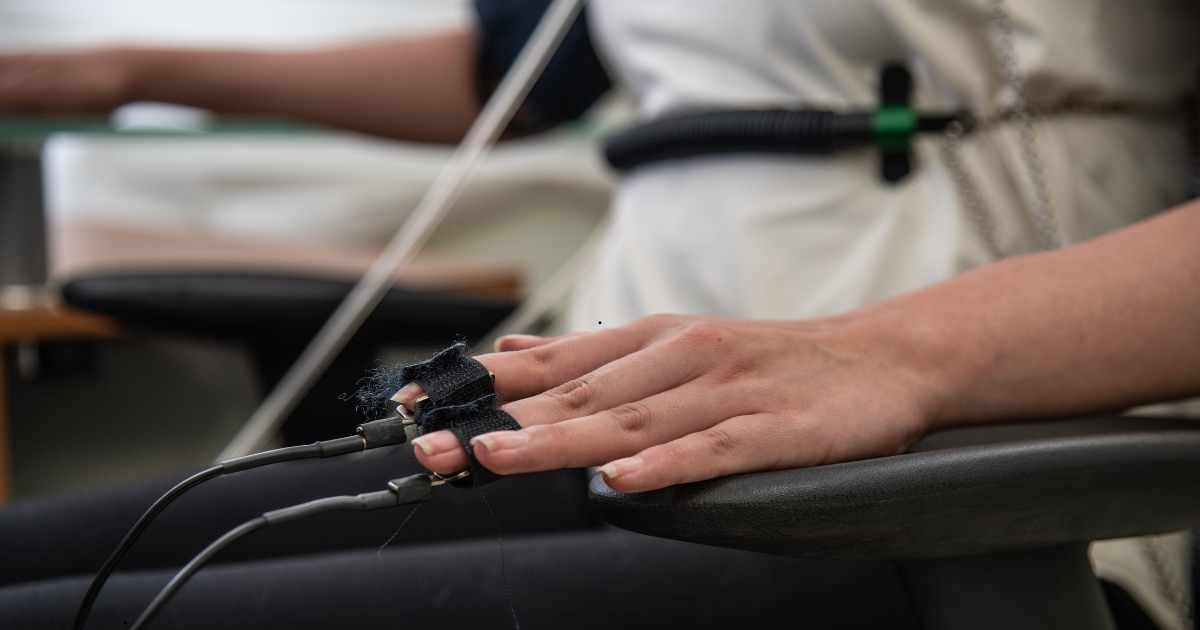
A polygraph doesn’t detect lies directly. It measures physiological signals—things like heart rate, breathing patterns, and skin conductivity. In other words, how your body reacts under pressure.
Here’s the assumption: when someone lies, their body gets stressed. That stress shows up in measurable ways. Faster pulse. Slight changes in breathing. Sweaty palms.
Sounds reasonable. But here’s the catch—those same signals can come from a lot of other things.
Nervousness. Fear. Embarrassment. Even just the pressure of being tested.
Imagine you’re sitting in a quiet room with a stranger asking you questions about something serious. You know your answers matter. You know you’re being judged. Even if you’re completely honest, your body might still react like you’re under threat.
That’s where things start to blur.
What actually happens during a test
A typical polygraph session isn’t just a series of random questions. It’s structured carefully, sometimes over a couple of hours.
First, there’s a pre-test phase. This part matters more than people expect. The examiner explains the process, goes over the questions, and tries to establish a baseline. They’ll often tell you that the machine is highly accurate. That’s not just information—it’s part of the setup.
Then comes the actual test.
You’re asked a mix of questions. Some are neutral (“Is your name John?”), some are relevant (“Did you take the missing money?”), and others are control questions designed to provoke a response (“Have you ever lied to avoid trouble?”).
Those control questions are key. Almost everyone has done something minor that fits them, so they tend to trigger a reaction. The examiner compares your responses to those control questions against your responses to the relevant ones.
After that, there’s an interpretation phase. The examiner reviews the data and decides whether your reactions suggest deception.
Notice something? There’s interpretation involved. That alone introduces a layer of subjectivity.
Why people still trust it
Given all that ambiguity, you’d think polygraph tests would’ve faded out by now. But they haven’t.
Part of the reason is psychological.
The setup itself can be powerful. When someone believes the machine can catch them, they might confess before the test even gets going. Or they might slip during questioning. The polygraph becomes less about measuring truth and more about creating pressure.
There’s also tradition. Law enforcement agencies have used polygraphs for decades. Some government roles still require them as part of background checks. It’s baked into certain systems.
And let’s be honest—people like the idea of a machine that can separate truth from lies. It feels clean. Definitive. Even if reality doesn’t quite support that.
The accuracy debate
Ask five experts about polygraph accuracy, and you’ll get five slightly different answers.
Some studies suggest accuracy rates in the 80–90% range under controlled conditions. That sounds impressive until you dig deeper.
Controlled conditions aren’t real life. In the real world, things get noisy. People react differently. Some stay calm under pressure. Others panic over nothing.
False positives are a real concern. That’s when someone truthful shows strong physiological responses and gets flagged as deceptive. It happens more often than people expect.
Then there are false negatives—people who lie but don’t show strong reactions. Maybe they’re practiced. Maybe they genuinely don’t feel stress about what they’re saying. That happens too.
Here’s the uncomfortable truth: the polygraph isn’t reliable enough to be used as solid evidence in most courts. In many places, it’s outright inadmissible.
That tells you something.
A quick real-life style example
Picture this.
Two employees are questioned about a missing sum of money at work. One is guilty but calm under pressure. The other is innocent but anxious by nature.
They both take a polygraph test.
The anxious one shows spikes—heart racing, uneven breathing. The calm one stays steady.
If you’re relying purely on the machine’s signals, you might accuse the wrong person.
That’s not a rare edge case. It’s a known limitation.
Can people beat a polygraph?
Short answer: sometimes, yes.
There’s a lot of mythology around this—people biting their tongues, doing mental math, or trying to manipulate their breathing. Some of those tricks can influence results, especially if the examiner isn’t highly experienced.
But it’s not as simple as following a cheat sheet.
More effective “countermeasures” tend to involve controlling your emotional state rather than performing obvious physical tricks. Staying calm. Keeping reactions consistent. Not overthinking.
Ironically, people who believe in the test’s power are more likely to fail it. The stress does the work for the machine.
Meanwhile, someone who sees it as just another conversation might glide through.
Where polygraphs are still used
Despite the controversy, polygraph tests haven’t disappeared.
They’re still used in:
Law enforcement investigations (mainly as an investigative tool, not proof)
Government security screenings
Private employment situations in certain industries
Personal matters—yes, even relationship disputes
That last one is more common than you might think. Couples sometimes turn to polygraphs to settle trust issues. It sounds like a quick fix, but it rarely is.
Trust built on a machine’s output tends to be fragile. If anything, it can make things worse.
The emotional side people don’t talk about
Sitting for a polygraph test can be stressful, even if you’ve got nothing to hide.
You’re wired up, watched closely, and asked questions that may feel invasive. There’s a sense that your body might betray you, even if your words don’t.
Some people walk out feeling shaken. Others feel frustrated, especially if they’re labeled deceptive despite telling the truth.
And then there’s the aftermath. If the result is unclear—or worse, incorrect—it can linger. Doubt creeps in. Not just from others, but sometimes from the person who took the test.
That psychological impact doesn’t get enough attention.
So what is it actually good for?
If you strip away the hype, the polygraph still has some practical value—but it’s narrower than most people assume.
It can be useful as a conversation tool. The process itself can encourage disclosures. People might admit things they wouldn’t otherwise say out loud.
It can also help guide investigations. Not as a final answer, but as one piece of a larger puzzle.
Think of it less like a judge and more like a nudge. It points, but it doesn’t prove.
That’s how professionals who understand its limits tend to use it.
Why the myth sticks around
The idea of a lie detector is hard to let go of.
It shows up in movies, TV shows, crime stories. There’s something compelling about the notion that truth can be measured objectively, like temperature or weight.
But human behavior doesn’t work that way. Emotions, memory, stress—they all complicate things.
And here’s the thing: people want certainty. The polygraph offers something that looks like certainty, even when it isn’t.
That illusion is powerful.
A more grounded way to think about it
Instead of asking “Does the polygraph work?” it’s more useful to ask “What does it actually measure?”
The answer is simple: it measures physiological reactions under questioning.
Everything else—the interpretation, the meaning, the conclusion—comes from humans.
Once you see it that way, the mystique fades a bit. It becomes just another tool. Imperfect. Context-dependent. Sometimes helpful, sometimes misleading.
Final thoughts
The polygraph test sits in an odd space. Not quite science, not quite guesswork. It borrows from both.
It can reveal something—but not necessarily what you think. It shows how your body reacts, not whether your words are true.
That distinction matters, especially when real consequences are involved.
If you ever find yourself facing one, it helps to understand what’s actually happening. Not the movie version. The real version.
Because once you strip away the drama, what you’re left with is a machine reading signals—and a human trying to make sense of them.
Disclaimer
This article is for informational purposes only and does not constitute legal, medical, or professional advice. Polygraph test results are not universally accepted as reliable evidence and may vary based on individual responses and testing conditions. Readers should not rely solely on polygraph outcomes for making serious decisions. Always consult qualified professionals or legal authorities for accurate guidance. The information presented reflects general research and should be interpreted with caution. The author assumes no responsibility for decisions made based on this content.
Explore valuable content daily—stay inspired and keep learning.