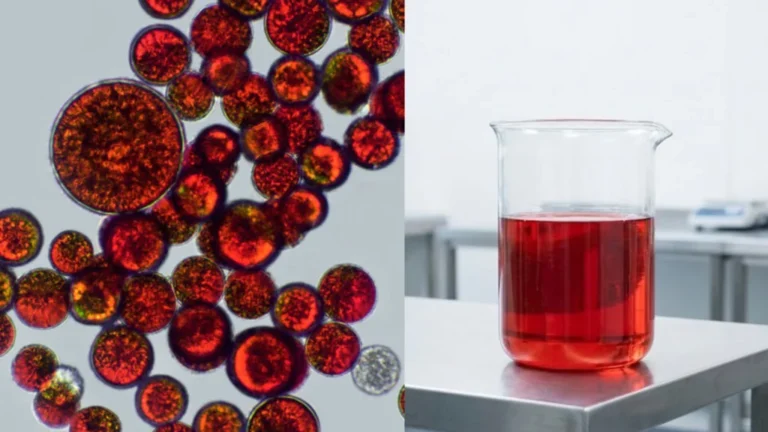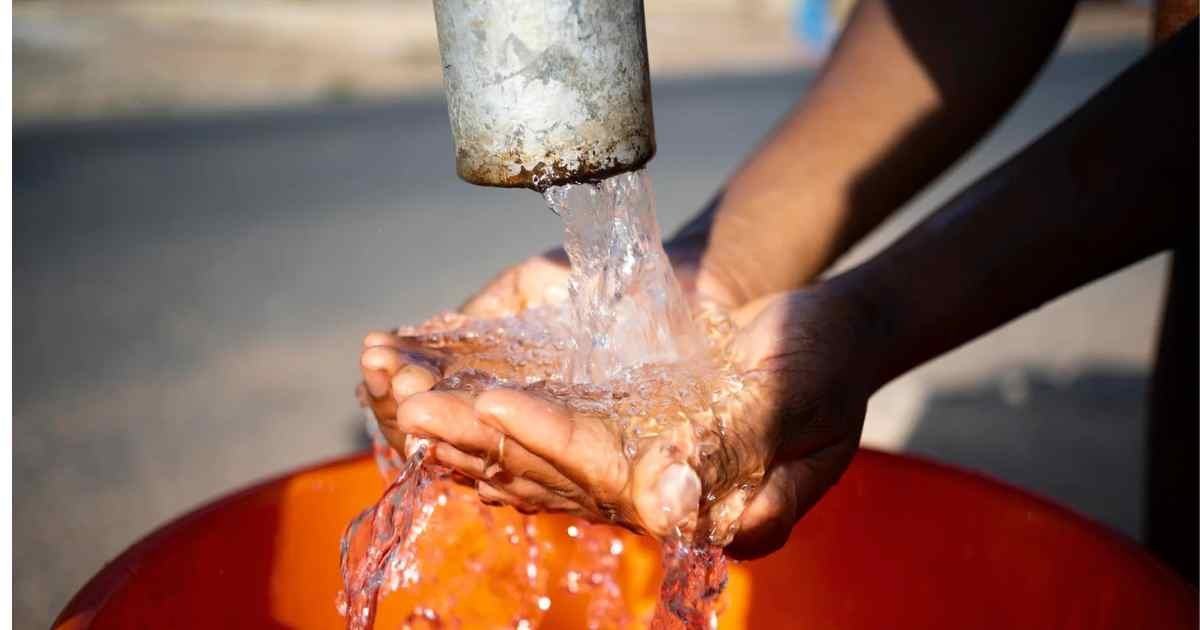
Bore water is simply water that seeps into the ground and is stored in spaces between soil and rocks. It is given the name because a bore or well is used to bring this groundwater to the surface. But, is this water safe to use?
In most rural places, scheme water can be unavailable, and rainfall may be irregular. In some cases, the groundwater ends up contaminated and becomes a non-potable source of water. Bore water may be contaminated if chemicals or microbes have filtered through the soil to the water table or drained into the bore casing. Therefore, water bore monitoring becomes crucial to assess water quality.
Key Takeaways:
- In Australian rural areas, bore water can not be used for drinking.
- Runoff water should be tested at least annually.
- Water with E.coli is lethal for gastrointestinal health.
In this blog, we are going to discuss whether consuming bore water is safe in rural Australia. Also, we will explore the testing requirements of different regions of Australia.
How Safe is the Usage of Bore Water in Rural Australia?
Before we start identifying the testing requirements in different regions in Australia, let’s understand whether rural water is safe in rural Australia or not.
In simple words, untreated bore water can contain contaminants like heavy metals, pesticides, and microorganisms that cause illnesses. Therefore, it is generally considered unsafe for direct human consumption. Environment consultants in Brisbane suggests to conduct annual testing of the bore water by a NATA-registered laboratory and proper treatment. However, the bore water can be used for toilet flushing, car/clothes washing, and irrigation.
Moreover, bore water can be highly corrosive, damaging plumbing and other fixtures. This can further damage the fixtures and fittings, leading to costly repairs.
Now, let’s look at the bore water testing requirements in different regions of Australia.
Bore Water Testing Requirements of Australia in Different Regions
In Australia, bore water testing is mainly the responsibility of the landowner, particularly for private domestic use. However, the Australian Drinking Water Guidelines (ADWG) are provided by the National Health and Medical Research Council (NHMRC). On state level, the specific testing requirements and programs are managed.
Here is how bore water testing requirements vary across different regions of Australia.
Queensland
According to the ‘Managing Queensland’s regional water quality’ audit report 2024-25, the key criteria of bore water testing include:
- Testing frequency: The water should be tested at least annually through effective water bore monitoring.
- Microbes: The water quality should be monitored for E.Coli, which is the indicator of fecal contamination.
- Chemical condition: Bore water’s pH, salinity (Total Dissolved Solids), nitrates, and presence of metals like arsenic and lead are tested.
- Guidelines: The ADWG 2011 set by NHMRC has developed the benchmark for safe, drinkable water.
New South Wales
In NSW, bore water testing is mandatory for private users to ensure safety. Key testing criteria include:
- Bacteria: Coliforms like E.coli.
- pH: Ideal range 6.0-9.5
- Total Dissolved Solids: Recommended <1000 mg/L
- Nitrates: <10 mg/L as N
- Infrastructural Protection: Bore heads must be sealed and raised above ground level to prevent surface contamination.
Victoria
In Victoria, the private bore water testing is entirely unregulated. The responsibility of water quality testing is on the owner of the private bore to ensure it meets ADWG. Key testing requirements include:
- Microbial Quality: Essential water bore monitoring is done for E.coli and total coliforms to identify potential contamination.
- Physical and Chemical Parameters: The essential testing for pH, turbidity (clarity), color, odour, and TDS, which is recommended to assess general potability.
- Specific Contaminants: Depending on the locations, the agricultural runoff, pesticides, or industrial runoff should be tested.
- Guidelines: The ADWG guidelines are followed in particular.
South Australia
Bore water in South Australia should be tested for microbial contamination and chemical parameters. SA health testing based on the ADWG, and the testing should be done in certified laboratories. Environmental consultants in Brisbane focus on parameters like:
- Microbiological: E. Coli
- Chemical and Physical:
- pH: To examine acidity and alkalinity.
- TDS / Salinity: Measures dissolved salts.
- Nitrates and Nitrites: Essential for Agricultural/potable use.
- Metals / Heavy metals: Iron, arsenic, and lead, etc.
- Hardness: Calcium and Magnesium levels.
- Volatile Organic Compounds (VOCs): recommended for both rural and urban Adelaide bores.
- Routine testing should be done annually or after maintenance. Specific tests, like VOC assessments, are advised for bores in rural industrial areas.
In rural areas of South Australia, bore water testing is carried out by the local government, as they also do awareness programs to promote safe drinking water.
Partner with Expert Water Testing Company!
Looking for a reputable water testing company? Hire an expert water assessment partners in Australia to get safe drinking water.
Disclaimer: The information provided in this article is for general informational and educational purposes only and does not constitute professional water safety, health, or legal advice. Water quality regulations and testing requirements vary by state and locality; readers should consult local authorities or NATA-accredited laboratories for region-specific guidance. Bore water can contain harmful contaminants, and professional assessment and treatment are essential before any domestic or agricultural use. The author and publisher disclaim all liability for any health issues, property damage, or other losses arising from reliance on this content. Always follow the Australian Drinking Water Guidelines and relevant state health department recommendations. Nothing in this article replaces the need for professional water testing.
Stay ahead of the curve – explore trending topics and expert insights today.