Most homeowners don’t think about their electrical system until something goes wrong. A flickering light gets ignored. A tripped breaker gets reset. A warm outlet gets a mental note that never turns into action. These small signs have a way of building quietly—until they don’t.
Electrical problems are responsible for tens of thousands of house fires every year across the United States. The unsettling part? The majority of them are preventable. Routine electrical servicing is one of the most practical steps you can take to protect your home, your family, and your investment—and yet it remains one of the most overlooked forms of home maintenance.
At Varkel Electric Company, we’ve seen firsthand what deferred electrical care can lead to. Outdated wiring that no longer meets code. Overloaded circuits quietly running hot behind walls. Panels working harder than they were ever designed to. These aren’t rare edge cases—they’re patterns we encounter regularly, and they’re almost always avoidable.
Why Electrical Systems Deteriorate Over Time
Your home’s electrical system wasn’t built to last forever without attention. Components age, connections loosen, and the demands placed on older systems have changed dramatically. Households that once ran on a handful of appliances now power home offices, smart devices, EV chargers, and kitchen equipment that didn’t exist when many homes were wired.
The result is a system that may be functioning—but not safely. Wires degrade. Outlets develop internal faults. Breaker panels that haven’t been inspected in years can carry risks that aren’t visible from the outside.
What Aging Wiring Actually Looks Like
Homes built before 1980 are particularly vulnerable. Aluminum wiring, common in that era, expands and contracts at a different rate than the connectors designed to hold it—creating loose connections and heat buildup over time. Knob-and-tube wiring, found in even older homes, lacks a grounding conductor entirely. Neither is an immediate death sentence, but both demand professional evaluation.
Even newer wiring can develop problems if it was improperly installed, overloaded over the years, or exposed to moisture or pests.
The Real Cost of Deferred Electrical Maintenance
There’s a common assumption that skipping an electrical inspection saves money. In reality, the math usually works the other way.
Minor faults caught early—a faulty breaker, a degraded connection, a panel running near capacity—are straightforward and affordable to fix. Left unaddressed, those same faults tend to escalate. A worn breaker that should have been replaced becomes a wiring fault. A wiring fault becomes a fire risk. A fire risk becomes a claim, a repair, or worse.
Beyond safety, there’s an efficiency argument too. Electrical faults and outdated infrastructure quietly inflate your energy bills. A system running inefficiently costs more every month—costs that compound over years while the root issue stays hidden.
How Frequently Should Electrical Servicing Be Scheduled?
Industry guidance recommends a professional electrical inspection every three to five years for most homes. Older properties, homes that have undergone major renovations, or households that have added significant new loads to their system may benefit from more frequent attention.
If you’ve recently purchased a home and don’t have records of prior inspections, scheduling one promptly is simply good sense.
What Varkel Electric Company Checks During a Service Visit
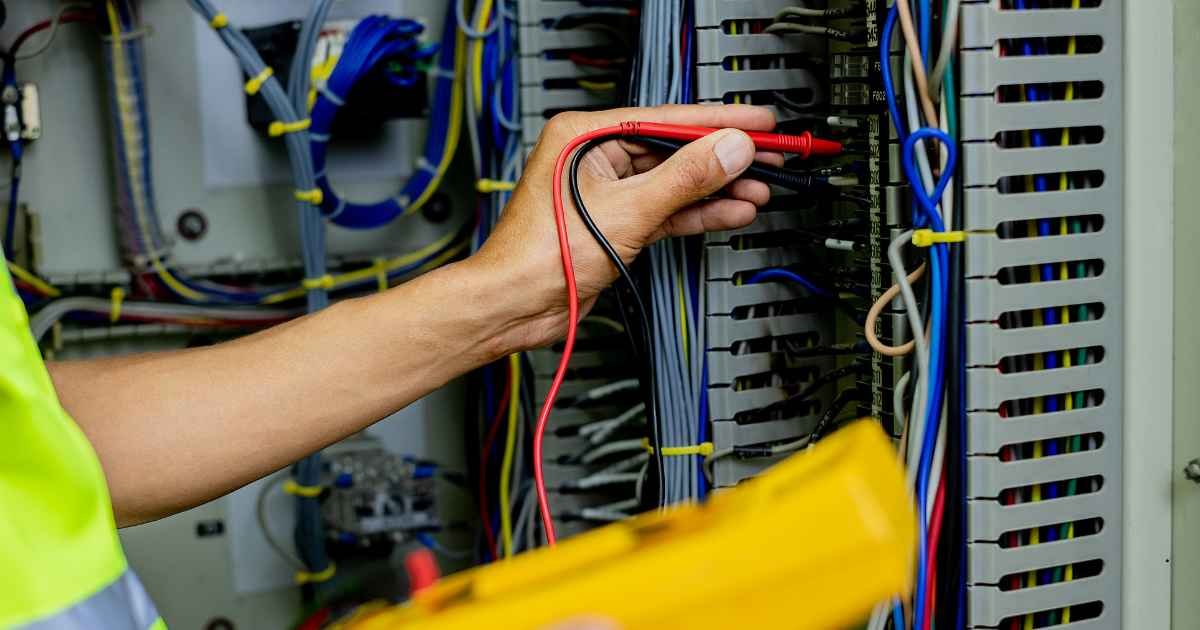
Professional electrical servicing goes well beyond flipping switches and checking outlets. A thorough inspection from the team at Varkel Electric Company covers your panel, grounding system, wiring condition, outlets, GFCI and AFCI protection, and load balance across circuits.
Electrical servicing performed by licensed, experienced professionals ensures your entire electrical system is inspected from panel to outlet, helping you catch hidden hazards early, maintain energy efficiency, and avoid the kind of costly failures that start small but rarely stay that way.
This isn’t just a visual check. It’s a systematic evaluation of how your system is performing under real conditions—and a chance to identify anything that warrants repair, upgrade, or monitoring before it becomes urgent.
Panel Upgrades: When Is It Time?
A 100-amp panel made sense for a home in the 1970s. For a modern household with high-draw appliances, home EV charging, and multiple home office setups, it’s often no longer adequate. Signs that your panel may be due for an upgrade include:
- Breakers that trip regularly under normal use
- A panel that feels warm to the touch
- No remaining space for additional circuits
- A fuse box that hasn’t been updated to breakers
Varkel Electric Company handles panel assessments and upgrades with the goal of giving your home the electrical capacity it actually needs—safely, cleanly, and up to current code.
Protecting What You’ve Built
Your home represents years of effort and investment. The electrical system running through it is foundational—it powers everything and touches every room. Treating it as an afterthought until something fails is a risk that simply doesn’t need to be taken.
Varkel Electric Company brings professional expertise, licensed technicians, and a genuine commitment to doing the work right. Whether your home is decades old or relatively new, whether you’re managing a long list of deferred items or simply due for a routine check, the right team makes the process straightforward and the results dependable.
Reliable power. Safer living. That’s what professional electrical care delivers—and it starts with making the call.
Frequently Asked Questions
How do I know if my home needs electrical servicing?
Common indicators include frequently tripping breakers, flickering or dimming lights, outlets that feel warm or emit a burning smell, and visible signs of aging wiring. Even without obvious symptoms, homes that haven’t been inspected in over five years benefit from a professional evaluation.
Is electrical servicing only for older homes?
No. While older properties carry more risk from aging infrastructure, newer homes can also develop faults from improper installation, overloading, or damage. Any home can benefit from routine professional inspection.
What’s the difference between an inspection and full electrical servicing?
An inspection identifies issues. Full electrical servicing includes inspection plus testing, maintenance, and any necessary repairs or upgrades. Varkel Electric Company offers comprehensive service visits that go beyond a basic visual check.
How long does an electrical service visit typically take?
Most standard residential service visits take between one and three hours, depending on the size of the home and the scope of work identified. Larger properties or those requiring significant repairs may take longer.
Does electrical servicing help reduce energy bills?
Yes, in many cases. Faults, loose connections, and outdated components can cause inefficiencies that inflate energy use. Addressing these issues as part of a service visit often leads to measurable improvements in energy performance.
Disclaimer: The information provided in this article is for general informational purposes only. It does not constitute professional electrical, home safety, or maintenance advice. Electrical systems involve inherent dangers; always consult a licensed electrician for inspections, servicing, or repairs. The mention of Varkel Electric Company is illustrative and does not imply endorsement. The author and publisher disclaim all liability for any property damage, injury, or financial loss arising from reliance on this content. This article does not guarantee specific safety outcomes or energy savings.
Want to outsmart the competition? Start with our competitive edge tactics that nobody talks about.