E-commerce delivery is all about speed and accuracy. Customers expect their packages quickly, with clear ETAs and no surprises. But there’s a crucial, often hidden factor here – the route the driver chooses each time.
Manual route planning just can’t keep pace with today’s order volumes. When it’s peak season or you’re promising same-day shipping, people with clipboards aren’t enough. That’s where route optimization software steps in. It figures out the most efficient route for every driver and adapts on the fly when things change.
Here’s how the software really makes a difference for e-commerce last mile delivery operations.
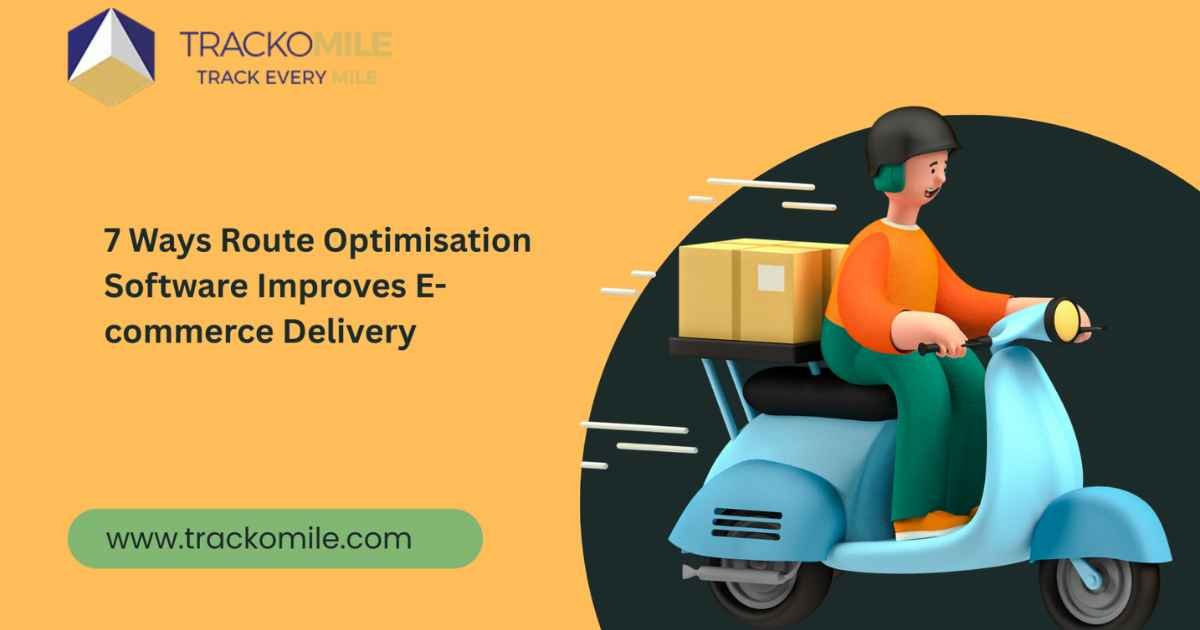
7 Ways Route Optimisation Software Improves E-commerce Delivery
Here are 7 ways route optimisation software can improve last mile delivery operations in e-commerce industries.
1. Faster Delivery Times
Route optimization software charts the quickest, smartest course for drivers, taking into account everything from traffic jams and accidents to delivery time windows. It catches traffic headaches and detours that manual planning often misses.
That speed matters. If you’re planning to offer same-day or next-day shipping, shaving even a few minutes off each route leads to big savings, especially when you’re managing hundreds of deliveries a day. In the end, riders can drop off more packages in the same shifts.
2. Lower Fuel & Operational Costs
Wasted miles mean wasted money. Old-school routes send drivers doubling back or crisscrossing town, also sometimes called “spaghetti routes,” burning through litres of fuel for no good reason.
Route optimization software helps prevent this issue. Drivers avoid unnecessary detours and backtracking, which saves real cash on fuel. You’ll see less wear and tear on vehicles, too. When you’re managing dozens or even hundreds of vehicles, those savings really show up on your monthly budget.
3. More Accurate Delivery Windows
Customers want to know when their order will arrive, and who is delivering it. Route optimisation software calculates realistic ETAs based on actual traffic conditions and route sequencing, not guesses. The software also creates tracking links for customers with rider and order details for added transparency.
This accuracy reduces the volume of WISMO calls and messages, since customers can trust the deadline they were given. It also helps businesses set delivery promises they can actually keep.
4. Higher Delivery Capacity Per Driver
Optimised routes let drivers complete more stops within the same shift. By sequencing deliveries efficiently and minimising idle time between stops, businesses can handle higher order volumes without adding more vehicles or drivers right away.
This matters most during peak seasons, when order volume spikes but hiring and onboarding new drivers takes time. As a result, getting more out of existing resources becomes essential.
5. Real-Time Adaptability
Traffic jams, order cancellations, and last-minute address changes are part of daily delivery operations. Manual route plans can’t adjust quickly once a driver is already on the road.
Route optimisation software recalculates routes in real time when conditions change, rerouting drivers automatically instead of leaving dispatchers to manually redraw the plan. This keeps the day’s schedule intact even when individual stops don’t go as planned.
6. Reduced Failed Deliveries
Failed deliveries not only cost money, they also affect customer trust. Plus, they create extra work for managers, since they have to reschedule and re-route the missed stop.
Optimisation software reduces failed delivery rates by sequencing stops around known delivery windows and customer availability. Some platforms also factor in past delivery history, avoiding repeat issues at addresses with a track record of failed attempts.
7. Better Data For Long-Term Planning
Every optimised route generates data:
- Travel time
- Stop duration
- Distance travelled
- Delays
- Driver performance
Over time, this data reveals patterns that would be difficult to identify with manual planning. Businesses can use this information to identify consistently slow zones, adjust delivery zones, or rebalance driver workloads. Instead of reacting to problems after they happen, route optimisation software helps businesses plan ahead based on real delivery patterns.
How This Comes Together In Practice
Individually, each of these improvements helps. Together, they compound.
- Faster routes reduce costs
- Lower costs free up budget for better customer service
- Accurate ETAs build trust, which reduces support tickets
- Real-time adaptability keeps promises intact even when the day doesn’t go as planned
Last mile delivery software like TrackoMile bring these capabilities into one system, combining route optimisation with live tracking and proof of delivery. This means e-commerce businesses aren’t managing routing, tracking, and reporting across separate tools, but working from a single source of truth for their entire delivery operation.
Conclusion
Route optimisation software has moved from a nice-to-have to a core requirement for e-commerce last mile delivery. It shortens delivery times, cuts costs, improves accuracy, and gives businesses the flexibility to handle disruptions without falling behind schedule.
As customer expectations around speed and reliability keep rising, manual route planning simply can’t keep pace. Businesses that invest in the right last mile delivery software gain a real operational edge, one that shows up in faster deliveries, lower costs, and customers who trust the ETA they were given.
Disclaimer: The information provided in this article is for general informational and educational purposes only. It does not constitute professional logistics, business, or technical advice. Route optimisation outcomes vary based on fleet size, geographic region, and operational constraints. Readers should evaluate solutions independently and consult qualified logistics professionals before implementation. The mention of TrackoMile or any specific platform is illustrative and does not imply endorsement. The author and publisher disclaim all liability for any business outcomes, delivery failures, or financial losses arising from reliance on this content. Always test route planning tools under your own operational conditions. This article does not guarantee specific cost savings or delivery performance.
Looking for guidance that truly delivers? Find it in our reliable wisdom—trusted by readers everywhere.