Wells don’t fail overnight. They send warning signs first — cloudy water, strange smells, a pump that runs constantly, or water pressure that’s dropped for no clear reason. Most homeowners ignore these signs until the day they turn on the faucet and nothing comes out. By then, what could’ve been a manageable fix has turned into an emergency.
Understanding your well’s lifespan, recognizing failure signs early, and knowing when repair won’t cut it anymore can save you thousands of dollars and a lot of stress. This guide walks through exactly that, so you’re never caught off guard by a well that’s quietly reaching the end of its life.
How Long Does a Residential Well Actually Last?
Most wells last between 20 and 50 years, though the exact number depends heavily on construction quality, geology, and maintenance history. A well drilled through solid bedrock with a properly installed casing can outlast one drilled through shifting soil with substandard materials by decades.
The well casing itself is usually the first component to degrade. Steel casings can corrode over time, especially in areas with acidic groundwater, while the well screen can clog with sediment or mineral buildup. Once these structural elements start failing, no amount of pump repair will fix the underlying problem.
Age alone isn’t a reliable predictor of failure. A 15-year-old well in poor soil conditions might need replacing sooner than a 40-year-old well that was drilled and maintained properly. That’s why homeowners should pay attention to performance, not just the calendar.
What Are the Warning Signs That a Well Is Failing?
Water Quality Changes
Cloudy, gritty, or discolored water is often the clearest sign that something’s wrong underground. Sand or sediment in your water usually means the well screen has degraded and is no longer filtering out particles the way it should. A sudden change in taste or smell — particularly a metallic or sulfur odor — can indicate casing corrosion or bacterial contamination.
Declining Water Pressure
If water pressure has been steadily dropping across the house and it’s not an issue with your pressure tank or plumbing, the well itself may be struggling to draw water efficiently. This often points to a dropping water table, a failing pump, or a well that was undersized for the property’s needs from the start.
The Pump Runs Constantly
A well pump that cycles on and off frequently, or runs nonstop without building pressure, is working harder than it should. This can be a sign of a leak in the system, a failing pressure switch, or — more seriously — a well that’s losing its ability to recharge with groundwater.
Frequent Repairs
Wells that need repair calls every few months are usually signaling something bigger than a one-off mechanical issue. When the cost of ongoing repairs starts approaching the cost of a new system, it’s worth stepping back and asking whether you’re throwing money at a well that’s already on its way out.
Repair or Replace? How to Make the Right Call
Not every well problem requires a full replacement. Pumps, pressure switches, and pressure tanks can all be repaired or swapped out individually, often for a fraction of the cost of drilling a new well. If the casing and screen are still structurally sound and the water table hasn’t dropped significantly, repair is usually the smarter first move.
Replacement becomes the better option when:
- The well casing is cracked, corroded, or collapsing
- The well was drilled decades ago using outdated methods or materials
- Water quality issues persist even after treatment
- The well can no longer supply adequate water for the household
- Repair costs have become frequent and are approaching replacement costs
Choose repair if the problem is isolated to a single mechanical component and the well’s structure is intact. Choose replacement if the issues are rooted in the well’s foundation — casing, screen, or location — since no repair can fix a well that was compromised from the ground up.
Why Professional Assessment Matters Before You Decide
Diagnosing a well issue isn’t something most homeowners can do by eye. A dropping water table can look identical to a failing pump from the surface, but the fixes are entirely different — and one costs far more than the other. Getting an accurate diagnosis requires testing water flow, checking casing integrity, and understanding the local aquifer conditions.
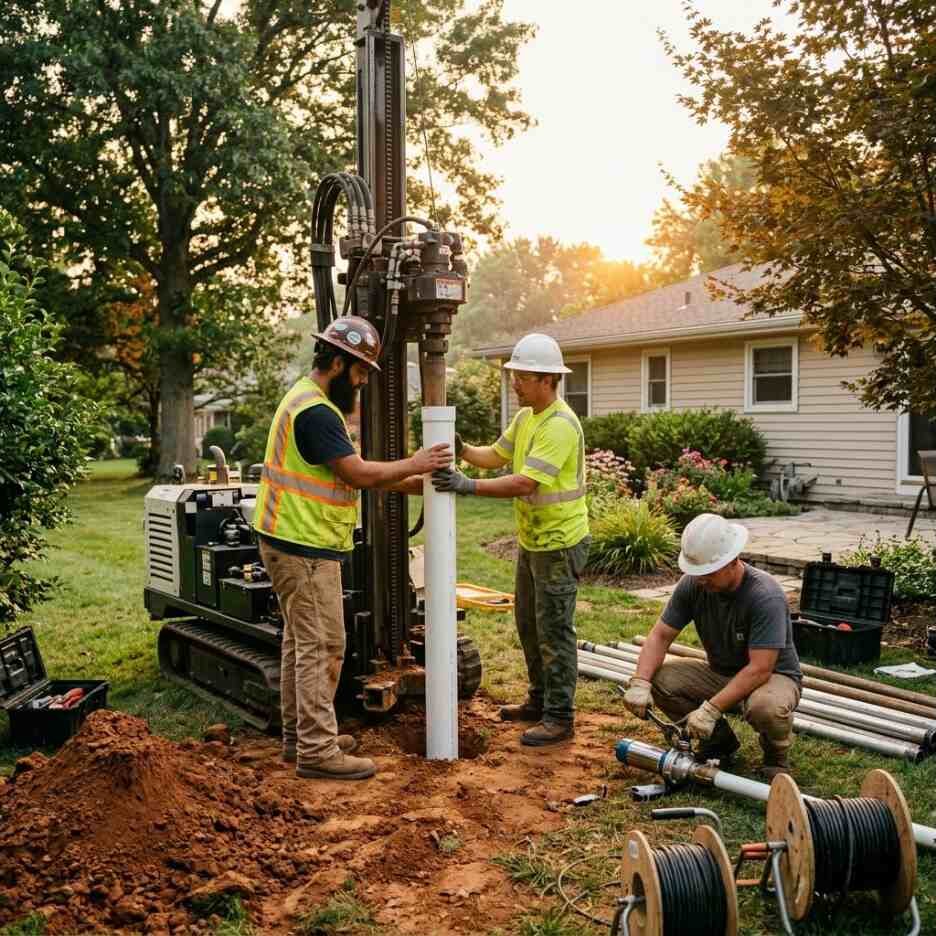
Well replacement can provide a dependable long-term solution when an aging or failing well system can no longer deliver the performance your household needs. Before making that investment, however, a thorough inspection can pinpoint exactly what your well requires, helping you avoid unnecessary repairs or expenses. Rather than guessing at the problem or replacing components one at a time, an experienced team can evaluate the entire system—from the wellhead down to the aquifer—and provide a clear, honest recommendation based on its condition.
This kind of upfront assessment protects homeowners from two costly mistakes: replacing a well that only needed a minor repair, or pouring money into repairs on a well that was never going to recover. Either way, a professional opinion pays for itself.
Keeping Your Well Healthy for the Long Run
Once your well is functioning properly — whether newly repaired or freshly drilled — a few habits go a long way toward extending its life. Schedule annual water testing to catch contamination early. Keep the area around the wellhead clear of chemicals, fertilizers, and standing water. And don’t wait for a total failure to call for an inspection; catching small issues early is always cheaper than fixing big ones later.
A well is easy to forget about because it works quietly underground, out of sight and out of mind. But it’s also one of the most important systems in a home, and treating it that way — with regular attention and quick action on warning signs — is what keeps water flowing reliably for decades.
If your well has been acting up, don’t wait for it to stop working altogether. A quick assessment now could mean the difference between a simple repair and a full replacement down the road.
Disclaimer: This article provides general information about well replacement and is not a substitute for advice from a qualified professional. Service needs, costs, timelines, and results vary by property, provider, location, and individual circumstances. Always inspect credentials, insurance, licenses, warranties, and written estimates before hiring a company. Confirm that the chosen service complies with applicable local codes, safety rules, and manufacturer instructions. The website and author do not guarantee specific outcomes from any product, contractor, or recommendation mentioned. Readers should conduct independent research and make decisions based on their own requirements.
Discover more expert insights to plan your next service or property project with confidence.