If you’ve got about a week off work and you’re staring at two very different Nepal itineraries wondering which one actually fits your life, you’re not alone. The 7 Days Annapurna Base Camp Trek keeps showing up in searches because it promises a real Himalayan experience without eating your entire vacation. Then you stumble across the Manaslu Circuit Trek and suddenly you’re comparing apples to something that isn’t even in the same fruit bowl.
These two treks aren’t shorter and longer versions of the same walk. One is a compact, well-trodden route toward one of the most photographed mountain amphitheaters on earth. The other is a longer, wilder loop around an 8,000-meter peak that demands more time, more altitude tolerance, and more patience with logistics. This guide walks through both — route, difficulty, altitude, permits, cost, food, best season — so you can figure out which one actually matches your days off, your fitness, and what you’re hoping to get out of the mountains.
7 Days Annapurna Base Camp Trek at a Glance
What the 7-day itinerary normally involves
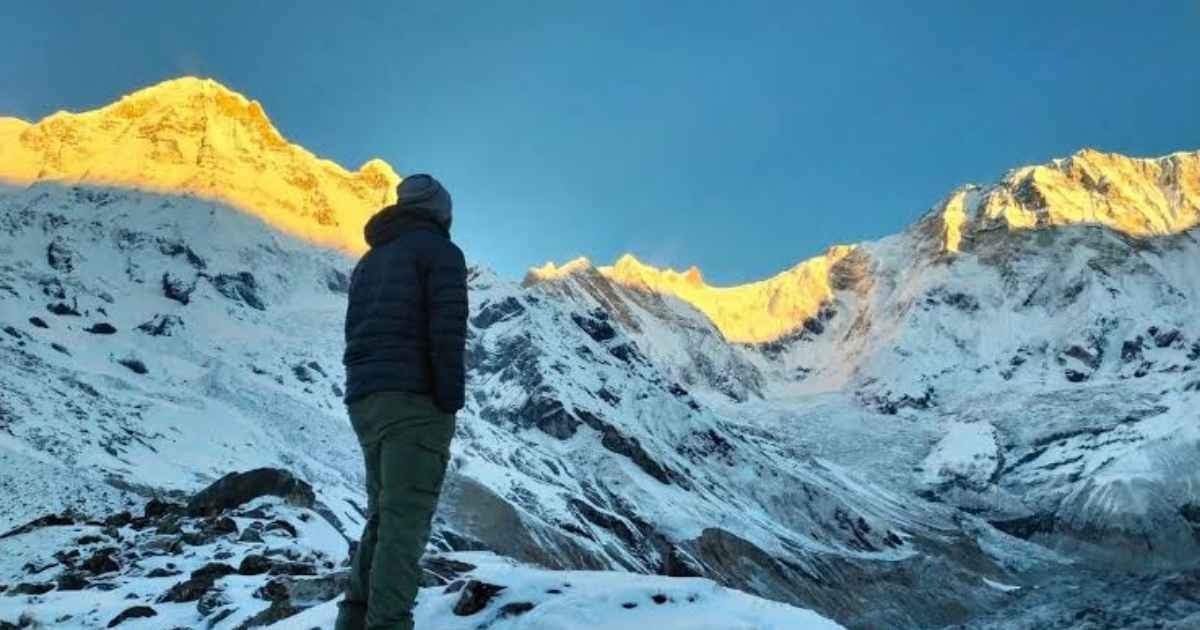
Most short ABC itineraries start with a drive or short flight from Pokhara toward the trailhead, cutting out days of walking that older routes used to require. From there you climb steadily through forested ridgelines and Gurung villages, following the Modi Khola upstream as the valley narrows and the peaks close in around you. The trail eventually funnels into the Annapurna Sanctuary itself, with Annapurna Base Camp sitting almost at the foot of Machhapuchhre and the Annapurna massif. The way back usually retraces part of the same route, sometimes with a slightly different descent to break up the walking.
Is seven days realistic?
Honestly — yes, but only if the itinerary is planned well. A tight seven-day version leaves almost no slack for bad weather, a delayed jeep, or a body that needs an extra day to adjust to altitude. It’s not that the trek is impossible in a week; it’s that you’re trading flexibility for speed. Don’t mistake “short” for “easy.” You’re still gaining elevation quickly over consecutive days, and the exact routing can shift a bit depending on road access and how a particular operator structures the days.
Manaslu Circuit Trek at a Glance
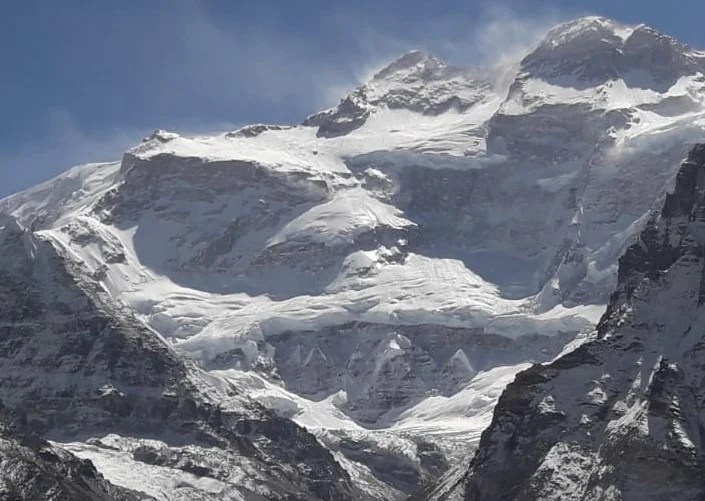
The Manaslu Circuit sits in a different category altogether. This is a trek built around Mount Manaslu, the world’s eighth-highest peak, and it winds through terrain that feels noticeably more remote than the Annapurna region. You start low, following the Budhi Gandaki Valley through terraced fields and river gorges, and gradually climb toward villages like Samagaun, where the mountain scenery turns properly high-altitude. The trek’s defining moment is the crossing of Larkya La Pass, a demanding high point that separates the Manaslu side of the circuit from the Annapurna side near Dharapani. Because this is a restricted area, trekkers should check current permit rules and guide requirements before booking, since regulations here can change.
7 Days Annapurna Base Camp Trek vs Manaslu Circuit Trek: Key Differences
Laid out side by side, the contrast becomes obvious pretty fast.
| Factor | 7 Days Annapurna Base Camp Trek | Manaslu Circuit Trek |
| Typical duration | Short, compact itinerary | Considerably longer |
| Main attraction | Annapurna Sanctuary and Base Camp | Full circuit plus Larkya La crossing |
| Maximum altitude | Around 4,130 m at ABC | Around 5,106 m at Larkya La |
| Difficulty | Moderate to challenging | Challenging |
| Trekking environment | Established, well-supported route | Remote, quieter trails |
| Infrastructure | Generally easier access and facilities | More limited in the higher, remoter stretches |
| Permits | Annapurna-area permits | Multiple permits, restricted-area rules |
| Best suited for | Trekkers with limited time | Experienced or adventure-focused trekkers |
Note that exact fees and permit categories change from time to time, so treat this table as a starting point for comparison rather than the final word on paperwork.
Route, Altitude and Acclimatization
ABC altitude profile
The seven-day version of ABC gains height fairly quickly once you’re past the lower villages. That’s part of what makes it doable in a week, but it also means your body doesn’t get a lot of buffer time. Walking at a sensible pace, drinking more water than feels necessary, and resisting the urge to rush the final push toward base camp all matter more than people expect.
Manaslu altitude profile
Manaslu’s ascent is more gradual for most of the trek, which actually works in your favor — until you get near Larkya La. The days leading up to the pass are where acclimatization really counts, and most well-built itineraries build in at least one rest or acclimatization day around Samagaun before attempting the crossing.
On both routes, the same basic rules apply: know the early signs of altitude sickness (persistent headache, nausea, unusual fatigue that doesn’t ease with rest), don’t push through them, and treat descending as the go-to response if symptoms escalate rather than something to consider only as a last resort. A slower pace on day one of a big climb is almost always cheaper than a forced descent later.
Difficulty: Which Trek Is Harder?
Straight answer: the Manaslu Circuit Trek is generally the tougher of the two. It runs longer, climbs higher, crosses a genuinely demanding pass, and moves through terrain where help and facilities are further apart. There’s more cumulative walking day after day, and weather on the pass itself can turn quickly.
That said, don’t let anyone tell you the ABC trek is a walk in the park. The stone staircases through the Modi Khola valley are relentless in both directions, and a compressed seven-day schedule means you’re doing that climbing without much rest built in. Fitness level, how much weight you’re carrying, prior trekking experience, and how fast your itinerary moves all shape how hard either trek actually feels on the ground.
Cost, Permits and Trekking Logistics
ABC costs
Budgeting for the shorter Annapurna trek typically means accounting for transport to and from the trailhead, a guide and/or porter if you’re using one, teahouse accommodation, meals along the trail, the relevant Annapurna-area permits, travel insurance, and personal spending money for snacks, hot showers, or charging devices.
Manaslu costs
Manaslu tends to run more expensive, and it’s not hard to see why once you add it up: more trekking days means more accommodation and meal costs, the restricted-area status usually requires a licensed guide and a couple of additional permits, and getting to and from the trailhead can involve longer or rougher transport than the drive to Pokhara.
We’re deliberately not throwing exact dollar figures at you here — prices shift with the season, the operator, and current permit rates, and outdated numbers online do more harm than good. Get a current quote from a trekking operator before you commit to a budget.
Accommodation, Food and Trail Facilities
Both routes rely on teahouse trekking, meaning you’re staying in family-run lodges rather than camping. Standards vary a lot — some rooms are simple with shared bathrooms, others have attached facilities and better bedding, and generally the higher and more remote you go, the more basic things get. Food on both trails leans heavily on dal bhat, noodle soups, fried rice, potatoes, and eggs, with menus thinning out the higher you climb. Wi-Fi and hot showers usually cost extra, and card payment is unreliable once you’re away from the bigger towns, so carry enough cash for the whole trek.
Best Time to Trek
Spring (March to May) tends to bring some of the more favorable trekking windows of the year, and on the Annapurna side you get the added bonus of rhododendron forests in bloom, which is honestly one of the nicer surprises of the season.
Autumn (September to November) is the other main window, generally known for clearer skies and steadier mountain views on both routes.
Monsoon season brings rain that can make lower trails muddy and leeches more common, while winter adds serious cold and snow at higher elevations — manageable on some routes, but it can make a high pass like Larkya La considerably harder or occasionally impassable. Don’t expect flawless weather on any single day just because you picked the “right” season; mountain weather does its own thing.
Which Trek Should You Choose?
If you’ve only got around a week, want a shorter Himalayan trek, prefer walking a more established route with decent infrastructure, and Annapurna Base Camp itself is the goal — the 7-day ABC trek fits.
If you can spare noticeably more time, want a quieter and more remote trekking experience, feel ready for higher altitude and tougher terrain, and specifically want the challenge of crossing Larkya La, Manaslu is the better call.
For travelers trying to line up their available days and trekking experience with the right route, a company like Nepal High Trek can help put together an itinerary that actually matches what you’re looking for, rather than forcing you into a one-size-fits-all package.
Practical Preparation Checklist Before Leaving Kathmandu
Break in your boots well before you fly out — day one of a trek is the worst time to discover a blister. Pack in layers rather than relying on one heavy jacket, since temperatures swing a lot between valley floors and higher camps. Bring proper rain protection, a headlamp, and keep medicines and documents somewhere easy to grab. Get travel insurance that actually covers trekking at the altitude you’ll reach — not just a generic policy. Carry some Nepalese cash, bring a reusable bottle with a reliable water-treatment method, and check weather and transport conditions right before you leave, since mountain roads and flights can change plans on short notice.
Final Thoughts
Neither trek is objectively “better” — they’re built for different situations. ABC is the practical pick when time is tight and you still want a genuine taste of the high Himalaya. Manaslu is for trekkers ready to trade a week or two more of their calendar for a wilder, higher, and more demanding journey. Before booking either one, compare a few itinerary options, ask an operator for a plan tailored to your fitness and schedule, and double-check current permits, transport, and season conditions. And whatever you do, don’t just pick the shortest itinerary available — pick the one that actually gives you enough time to enjoy the mountains you came to see.
Frequently Asked Questions
Is the 7 Days Annapurna Base Camp Trek really possible?
Yes, with an efficiently planned itinerary — but it leaves less room for delays or extra acclimatization than a longer schedule would.
Is Annapurna Base Camp easier than the Manaslu Circuit?
Generally, yes. Manaslu involves greater altitude, a longer duration, and the Larkya La crossing, which pushes its overall difficulty higher.
Which trek is better for beginners, ABC or Manaslu?
ABC is usually the more approachable first major trek in Nepal, though fitness and how the itinerary is paced still matter a lot.
How high is Annapurna Base Camp?
Approximately 4,130 m (13,550 ft).
How high is the Manaslu Circuit?
Its major high point, Larkya La Pass, sits at roughly 5,106 m (16,752 ft).
Which trek should I choose if I only have seven days?
The 7 Days Annapurna Base Camp Trek, assuming you’re comfortable with a fairly tight schedule and current transport and trail conditions support it.
Browse through content that inspires action—our action-inspiring content motivates you to move forward.