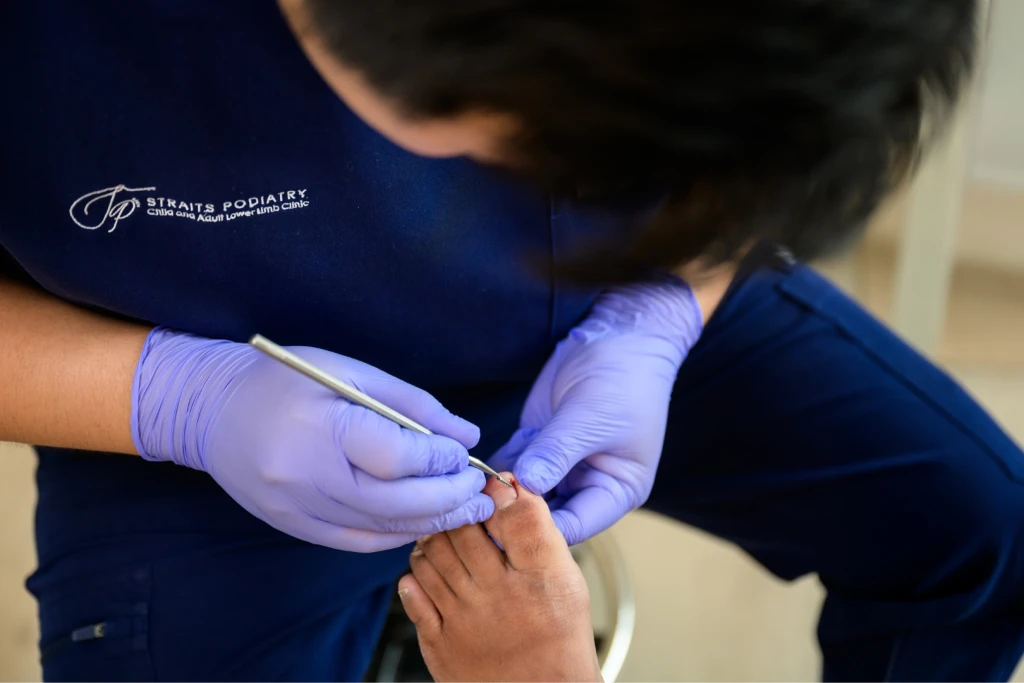
Most people do not think much about their feet until something starts to hurt. A long day at work, an uncomfortable pair of shoes, or a small injury can suddenly make walking more difficult than usual. While some foot problems improve with rest and simple changes to daily habits, others need professional attention.
Taking care of your feet does not have to be complicated. Understanding common foot conditions, recognizing early warning signs, and knowing when to seek help can make a real difference to your comfort and mobility.
Everyday Foot Problems You Should Know About
Foot problems can affect people of all ages. Some develop because of pressure and friction, while others are related to nail growth, inflammation, or skin infections.
Corns and calluses are common examples. They usually develop when particular areas of the skin experience repeated pressure. Wearing tight shoes or spending long hours standing can contribute to their formation.
Heel discomfort is another frequent complaint, especially among people who walk extensively or work on their feet. Sometimes the pain is temporary, but persistent discomfort may indicate an underlying condition that needs assessment.
Toenail problems also deserve attention. A nail that becomes painful, thickened, discoloured, or surrounded by swollen skin should not automatically be dismissed as a minor cosmetic issue.
Why Toenail Problems Can Become Painful
Toenails need enough space to grow without pressing against the surrounding skin. When a nail is trimmed incorrectly or repeatedly compressed by tight footwear, irritation can develop along its edges.
An ingrown toenail occurs when the edge of the nail presses into or grows into the adjacent skin. It commonly affects the big toe and may begin with tenderness that is noticeable only when wearing shoes.
As the irritation continues, the skin can become red and swollen. Some people experience increasing pain while walking, exercising, or standing for long periods.
If the surrounding skin becomes infected, drainage and more severe inflammation may develop. Cutting into the affected area at home can make matters worse, particularly if sharp tools damage the skin.
Learning to recognize an Ingrown toenail treatment can help you understand when ordinary foot care may no longer be enough.
Simple Habits That Help Protect Your Feet
Good foot care begins with everyday habits. Wash your feet regularly with mild soap and water, and dry them carefully, especially between the toes.
Toenails should generally be trimmed straight across. Avoid cutting them too short or digging into the corners, as this can encourage irritation as the nails grow.
Footwear matters just as much. Shoes should provide enough room for the toes to move comfortably without rubbing against the sides or front. People who spend most of their working day standing may benefit from shoes that offer suitable support and cushioning.
It is also worth checking your feet occasionally for blisters, redness, swelling, or unusual changes in the nails. A problem that is noticed early may be easier to address than one that has been aggravated for several weeks.
When Should You Seek Professional Advice?
Not every ache requires a clinic visit, but persistent or worsening symptoms should not be ignored. If foot pain affects your ability to walk comfortably, keeps returning, or appears alongside swelling or skin changes, an assessment can help identify the cause.
Pay particular attention to signs of possible infection, such as pus, spreading redness, increasing warmth, or severe pain. Fever alongside a suspected foot infection requires urgent medical attention.
People with diabetes, poor circulation, reduced sensation, or impaired healing should seek professional advice early when a foot problem develops. Even a small injury may require additional care in these circumstances.
A qualified Podiatrist in Singapore can assess a range of foot concerns and recommend appropriate care based on the individual’s symptoms and needs.
Understanding Treatment for Ingrown Toenails
The right treatment for an ingrown toenail depends on how severe the problem is, whether infection is present, and whether the condition keeps returning.
Some mild cases can be managed with conservative care and measures to reduce pressure on the toe. More troublesome cases may require a minor procedure to remove the section of nail that is causing irritation.
Avoid trying to dig out an embedded nail corner yourself. This can injure the surrounding skin and increase the risk of infection.
If the problem persists, discussing suitable ingrown toenail treatment options with a qualified clinician is a sensible next step.
Conclusion
Healthy feet make everyday activities easier, from walking to work to enjoying time with family. Wearing comfortable shoes, trimming toenails correctly, and checking your feet regularly can help prevent some common problems.
When discomfort persists or symptoms suggest an infection, seeking professional advice is safer than repeatedly trying home remedies. Paying attention to early warning signs can help you protect your foot health and maintain comfortable movement.