Steam is used in industries to provide heat and in manufacturing, cleaning, and other production processes. But improper functioning of boilers may lead to increased energy use and costs, as well as decreased productivity. Optimizing the efficiency of boilers allows companies to create enough steam.
A gas fired steam boiler is a type of equipment that generates steam using natural gas or some other appropriate gaseous fuel. Its effectiveness is dependent on the setting of the burners, heat transfer, water supply, operating pressure, and maintenance.
1. Adjust the Air-to-Fuel Ratio
The air-to-fuel ratio is a function of the volume of combustion air fed into the burner, compared to the quantity of gas that is provided. Too little combustion air causes inefficient burning and high carbon monoxide levels, while too much combustion air can take extra heat out via the flue gases.
One should perform regular testing of the burner’s combustion ratio by using appropriate testing equipment. The measurements of oxygen, carbon monoxide, and flue gas temperature can show if there is a need for some adjustment of the burner.
Do not make any changes to the burner without performing proper tests.
2. Maintain Clean Heat Transfer Surfaces
The heat transfer surfaces transfer energy from combustion to the water and steam making process. Soot and scaling reduce heat transfer efficiency and increase the consumption of fuel.
Boiler inspection must be carried out in accordance with the manufacturer’s schedule. Cleaning may be necessary on the fire side of the boiler, as well as checking the water side for scaling and corrosion. It is important to ensure that the heat transfer surfaces remain clean.
3. Improve Quality and Temperature of the Feedwater
The boiler feedwater is water that is provided to the boiler for steam production. The temperature and quality of this water affect the amount of energy consumed, the requirements for maintenance, and the service life of the equipment.
The use of recovered heat for pre-heating of the boiler feedwater can help decrease energy consumption required for the steam production process. If possible, an economiser can be used to recover heat from flue gases to preheat water.
4. Reduce Steam Leakages and Distribution Losses
Efficiency of boiler operation forms a minor part of the efficiency of the whole steam system. Steam leakages from valves, pipe damage, poor insulation of the surface, and steam trap malfunction are all capable of wasting energy.
A check of the steam distribution system is necessary in order to identify any obvious leaks, poor insulation, or improper functioning of the system. The fixing of these issues ensures better delivery of steam to the required equipment.
Another component that should be checked is the steam traps, which are responsible for eliminating condensate without any unnecessary leakage of live steam.
5. Control Blowdown and Reclaim Steam Condensate
Boiler blowdown is the process of removing solids that have become concentrated in the boiler water. If too much blowdown occurs, energy will be wasted through loss of hot water; if not enough blowdown takes place, impurities will build up.
Make sure you have an appropriate blowdown regime by testing the water and consulting the manufacturer’s guidelines. In some cases, a trained expert may help determine if automation or heat recovery will enhance efficiency.
Another approach is condensate recovery, where “steam condensate,” or hot condensate, is reclaimed for use in the boiler system.
6. Balance Boiler Load to Demand
Running a boiler at a substantially reduced load level compared to its appropriate load might affect system efficiency, subject to its construction and control system. On the other hand, a shortage of capacity leads to unstable pressure whenever there is an increase in demand.
Check the usage of steam throughout the day and determine both the times of high and low demand. Adjust your burner settings and boiler operation accordingly.
If you have multiple boilers, then you can use an appropriate sequence method to balance your demand.
7. Plan for Preventive Maintenance
Preventive maintenance allows us to discover possible malfunctions in time without unplanned shutdowns and additional fuel waste.
The checks must be performed for the burner, ignition system, gas valves, controls, gauges, protective devices, and heat exchanger. It is also necessary to conduct checks of the combustion performance and proper operation of the protective systems.
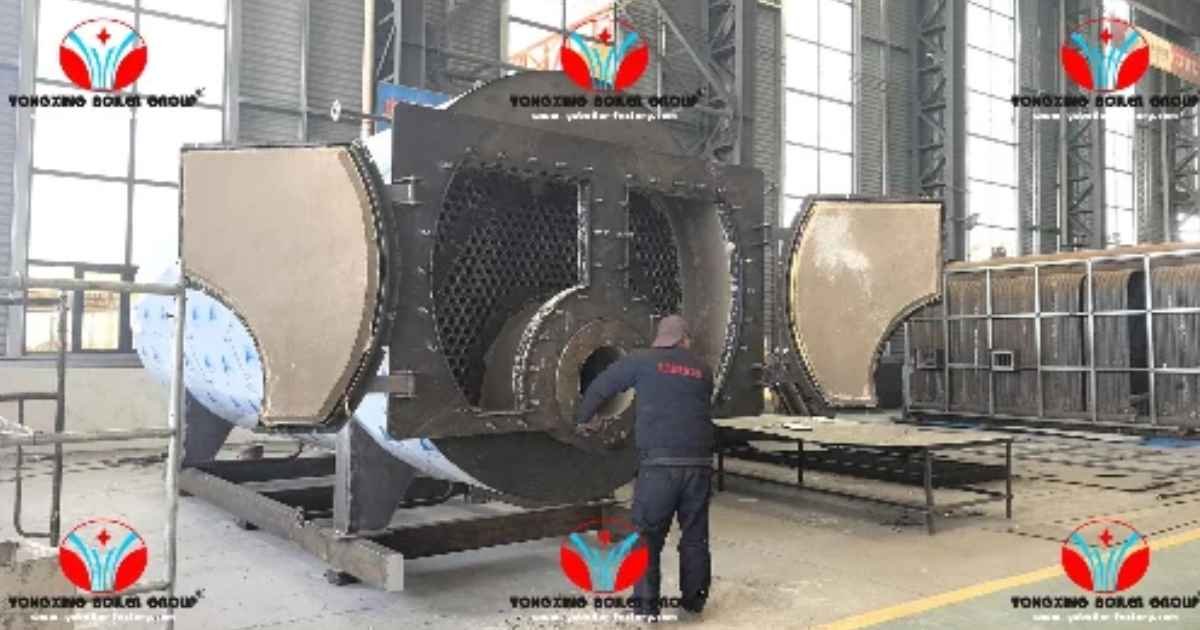
In order to assess the yongxing boiler system, ask about the servicing intervals, operating parameters of work, and spare parts availability.
Conclusion
There are several aspects in which efficiency can be improved in a “gas fired steam boiler,” which include combustion, heat exchange, feed water, steam distribution, condensate management, and maintenance. Small and controlled changes in these factors can result in less waste of energy and enable stable production.
The first step would be to measure the consumption of fuel, production of steam, pressure level, and conditions of flue gases. This way, the biggest losses will be determined and corresponding steps will be taken.
Disclaimer: This article is for general informational purposes only and does not constitute professional, engineering, or safety advice. Boiler performance, combustion settings, feedwater quality, blowdown requirements, and efficiency outcomes vary by manufacturer, model, fuel supply, and installation, and may change without notice. Burner adjustments, combustion testing, and work on gas-fired equipment must be carried out only by qualified, licensed professionals in accordance with the manufacturer’s instructions and applicable gas safety, emission, and boiler regulations. Improper adjustments can create carbon monoxide hazards, unsafe combustion, or equipment damage. Readers should verify all technical specifications, servicing intervals, and safety requirements directly with the manufacturer and relevant authorities, and have all inspections, maintenance, and repairs performed by qualified personnel. Any mention of specific manufacturers (including Yongxing) does not imply endorsement. The author and publisher disclaim any liability for decisions made based on this content.
Build a mindset that finds opportunity in every setback—our reframing techniques help you see the lesson before the loss.