Your monthly spending takes a toll whenever you see an increase in petrol prices, which further increases the fares of rickshaws and Careem.
Many Pakistani commuters prefer to opt for an electric scooter bike, which can help them save on their daily travel expenses and also provide them with the freedom to travel without having to wait for a rickshaw or a ride-hailing service.
These three will give the actual numbers when comparing on the basis of current costs for a standard commute of 15 km each way.
Rickshaw Costs for Daily Commuting in Pakistan
The thing is that rickshaw fares in Pakistan are not fixed and have no official per-km meter rate in most cities. This can be negotiated on the spot, which means the number depends on:
- Route
- Time of day
- How many other riders are competing for the same rickshaw
- Whether the driver thinks the passenger looks like they will haggle
After the price hike, the fares across multiple cities have risen by a noticeable amount as a standard 15 km urban trip in any major city, current rickshaw fares cost PKR 300 to 450 per single ride.
A daily office commuter needs to go to and from the office and works 24 working days, which makes a total of 48 rides per month. So if the fare of a rickshaw is PKR 375, the monthly spending is going to be PKR 18,000. Additionally, there are two hidden costs for it and the first one is waiting time.
During rush hour, a commuter can wait for a rickshaw for about 10 to 15 minutes, and wait for a rickshaw for about 30 to 40 minutes over a typical working day. Then comes the rain and heat vulnerability, as a rickshaw gives you some protection against the weather.
Traveling during the monsoon or during the hottest part of the summer can result in indirect costs, such as having wet clothes when you arrive or having to spend more on refreshments and comfort after the trip.
Ride-Hailing Costs for Daily Commuting
A ride-hailing service is chosen over a rickshaw as it offers tracking, an air-conditioned car, a fixed price, and the convenience of being picked up without having to stand by the roadside.
These are also the reasons why heavy users of ride hailing services could be paying anywhere from PKR 15,000 to PKR 30,000 per month, depending on how often they use the service and the city they live in.
The least expensive is the bike. The pricing model is based on the application, which is a base fare plus per-km and per-minute charges, and a 15 km urban trip in normal traffic conditions will cost between PKR 220 and 350.
The fare varies by city, time of day, and whether peak fare is in effect. The total of 48 rides at a mid-range estimate will be PKR 13,680 per month.
The only thing that makes Careem’s monthly cost unpredictable is the peak hour, when fares are 1.3 to 1.7 times the standard fare, and during rainy days or high-demand times. This increase puts the cost of a single ride at PKR 350 or higher.
Both ride-hailing and rickshaws need availability. Service cancellations, drivers who are unable to pick you up, or drivers who are not available when it suddenly rains can all lead to late pickups, getting stuck, or having to pay a higher fare for a faster alternative. This is a genuine and ongoing danger for commuters, but not for those who own their own electric scooters.
Electric Scooter Ownership Costs in Pakistan
The cost of owning an electric scooter bike does not scale with the number of trips. Every additional km on it costs a fraction of a rupee in electricity and every additional km on Careem or a rickshaw costs the full per-km rate. The more a rider travels, the larger the electric bike’s advantage.
The best electric bike uses approximately 2 units per full charge and covers 75 to 100 km. For a monthly commute of around 520 km, most riders will need 6 to 7 full charges, depending on riding conditions, battery capacity, and route.
Monthly maintenance costs are generally low because there is no need for:
- Engine oil
- Spark plugs
- Carburettor service
On average, tyres and brakes cost between PKR 200 and 350 per month over 12 months. This brings the monthly running expenses to PKR 830 to PKR 1190. The monthly cost for the same 520 km journey is approximately PKR 1200.
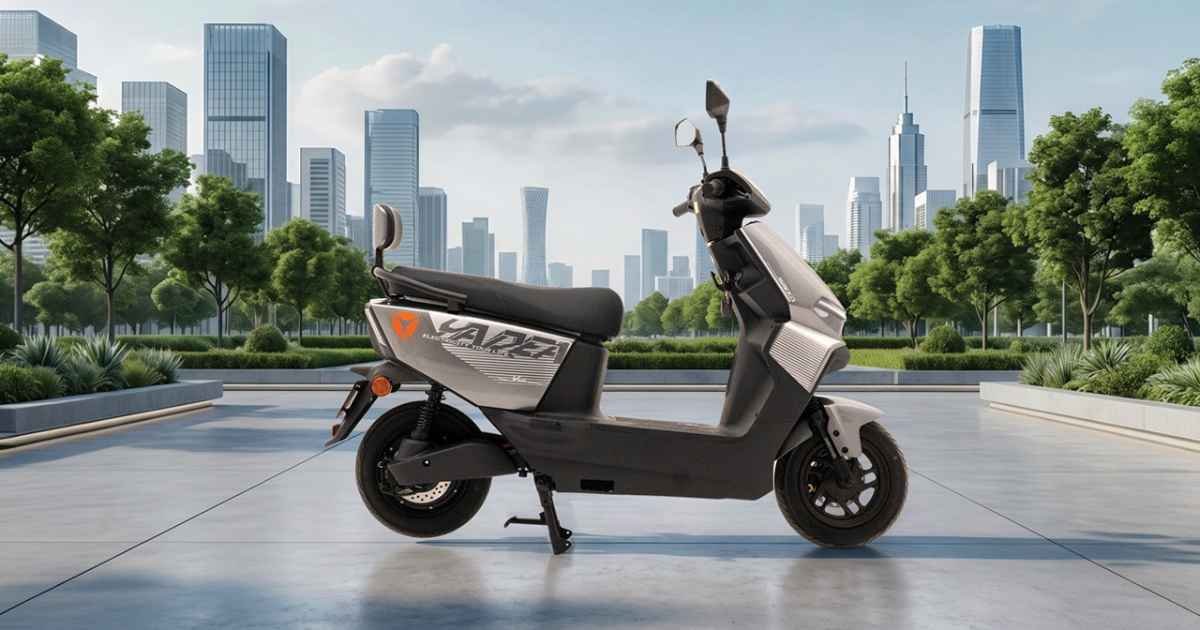
The price of a mid-range electric scooter bike (Yadea model) is approximately PKR 180,000 to PKR 300,000, depending on the model. The initial investment is more expensive, but it’s more difficult to calculate that cost when you factor in the monthly expense the rider already has for transportation.
A commuter who is spending PKR 14,000 per month on rickshaws or Careem is spending PKR 168,000 per year to commute to and from their daily destinations. That cash is long gone and no car has been produced after 12 months.
The annual cost of transportation is approximately 48% to 76% of the cost of a good quality electric scooter, depending on the model. That gap can make the initial expense of an e-scooter more affordable over time.
Electric Scooter Payback Period: When Does It Become Cheaper?
The cost of rickshaws and ride hailing services is currently over PKR 14,000 per month for a commuter, whereas the cost of a Yadea electric scooter, priced at PKR 245,000, will be at least PKR 13,000 per month.
These estimates suggest that the purchase price can be recovered in around 19 months, but this will vary depending on the monthly mileage, electricity costs, maintenance expenses and riding habits.
Once the payback period, the majority of the monthly savings remain in your wallet. Based on travel patterns and operating costs, total savings can be up to PKR 780,000 over five years when compared with ride-hailing services.
Final Thoughts
When the numbers are on the table, the comparison is easy. An electric scooter is a solution to a transport problem for years, while a rickshaw and ride-hailing services are only solutions for the day.
The more often you commute, the more you can save by owning an electric scooter in general. A few thousand rupees per month can add up to hundreds of thousands of rupees over the life of the scooter.
The question for the daily commuters in Pakistan is not whether an electric scooter is cheaper or not. It is the length of time you’re prepared to pay for the same trip each month.
Disclaimer: The information provided in this article is for general informational and educational purposes only. It does not constitute financial, transportation, or purchasing advice. Fare rates, fuel prices, electricity costs, and vehicle prices in Pakistan may change over time and vary by city. Readers should calculate their own commuting costs based on current local conditions before making a decision. The author and publisher disclaim all liability for any financial choices or outcomes arising from reliance on this content. This article does not endorse any specific brand or service. Always consider your individual travel needs and budget.
Uncover the blueprint for resilient living—our resilience roadmaps prepare you for any storm.