For travellers, the best technology is often the kind they barely notice. It removes friction, makes decisions easier and creates a more personalised experience without turning the journey into a technology demonstration.
That thinking is increasingly visible across Abu Dhabi. As the emirate works towards welcoming 39.3 million annual visitors by 2030, digital innovation is becoming part of how destinations are planned, promoted and experienced. Abu Dhabi’s Tourism Strategy 2030 is targeting AED 90 billion in tourism contribution to GDP and 178,000 new jobs, alongside improvements to visitor experiences, infrastructure, mobility and tourism processes.
Making Travel Simpler and More Personal
Smart tourism starts well before a visitor arrives at an attraction. Across the UAE, artificial intelligence, data analytics, and digital platforms increasingly support different stages of the journey, from booking and mobility to service delivery and personalisation. Digital services are also helping with visitor-flow management and giving travellers access to information in real time.
The tangible impact is convenience. Visitors can spend less time navigating processes and more time experiencing the destination. For tourism operators, meanwhile, data can provide a clearer picture of what guests need and how services can be improved.
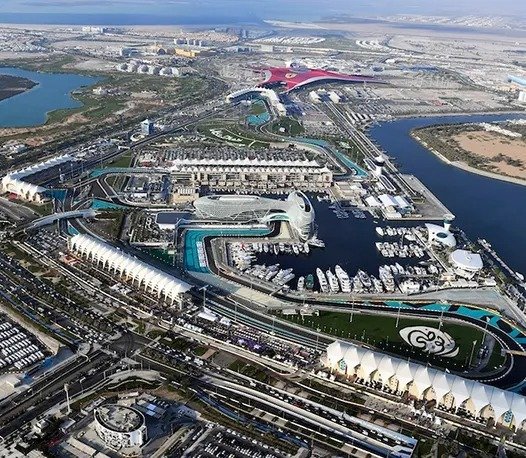
This approach has been developing in Abu Dhabi for several years. Miral’s Noor Initiative, for example, expanded the use of big data and predictive analytics across Yas Island, with the aim of improving business efficiency while enabling more personalised visitor experiences.
Taking the Site Visit Online
Perhaps one of the clearest examples of smart tourism solving a practical problem can be found in Abu Dhabi’s business events sector.
Miral, a leading creator of immersive destinations and experiences, in partnership with e& enterprise, has introduced the Yas Island Metaverse, an AI-powered virtual platform designed to change how international event organisers explore and plan events on Yas Island. Rather than relying entirely on physical site inspections during the early stages of planning, organisers can access a virtual representation of the destination through a web browser.
The platform combines 3D modelling with technologies including artificial intelligence, augmented reality and virtual reality. Organisers can conduct virtual site visits, explore business event venues, hotels and attractions, and use driving simulations to better understand routes around the island. Multiple stakeholders can also access the virtual environment together, making it easier for teams in different locations to assess options before travelling to Abu Dhabi.
The impact is practical. Event planners can evaluate a destination earlier in the decision-making process, international teams can collaborate remotely, and organisers can arrive in Abu Dhabi with a clearer understanding of the venues and logistics involved.
Using Technology to Support Responsible Growth
Building a smarter tourism sector also means considering how growth is managed.
Sustainability has become an increasingly important part of destination planning in the UAE, particularly as travellers place greater value on responsible tourism. Miral has formalised their approach through their Sustainability Strategy, which aims to make leisure, entertainment and tourism experiences more sustainable across its destinations. Among its targets is increasing carbon efficiency by 3% each year across existing assets, alongside improving energy and water efficiency and reducing waste. The strategy also includes a transition to 100% treated wastewater for secondary uses across all assets by 2030.
This matters as Abu Dhabi’s visitor economy expands. Smart tourism is not simply about attracting more people; it is also about finding better ways to operate destinations, manage resources and support experiences that can grow responsibly.
A More Connected Visitor Economy
Abu Dhabi’s approach shows that the future of tourism is unlikely to depend on one breakthrough technology. It will come from connecting data, digital infrastructure, immersive tools and more sustainable operations around the needs of visitors and businesses.
That distinction is important. A virtual site visit that saves an international event organiser an unnecessary journey, data that helps improve a guest experience, or digital systems that make travel easier all have measurable value beyond their novelty.
As Abu Dhabi moves towards its 2030 tourism ambitions, smart tourism is becoming less about imagining what travel could look like in the future and more about applying technology to make the visitor experience work better today.
Disclaimer: The information provided in this article is for general informational and educational purposes only. It does not constitute professional tourism, investment, or business advice. Development plans, visitor targets, and technology initiatives may change. Readers should verify details with official sources before making decisions. The mention of Miral, e& enterprise, or specific initiatives is for context and does not imply endorsement. The author and publisher disclaim all liability for any outcomes or decisions arising from reliance on this content. This article does not guarantee specific tourism results or investment returns.
Discover articles that fuel your curiosity—start reading our curiosity-driven content and never stop learning.