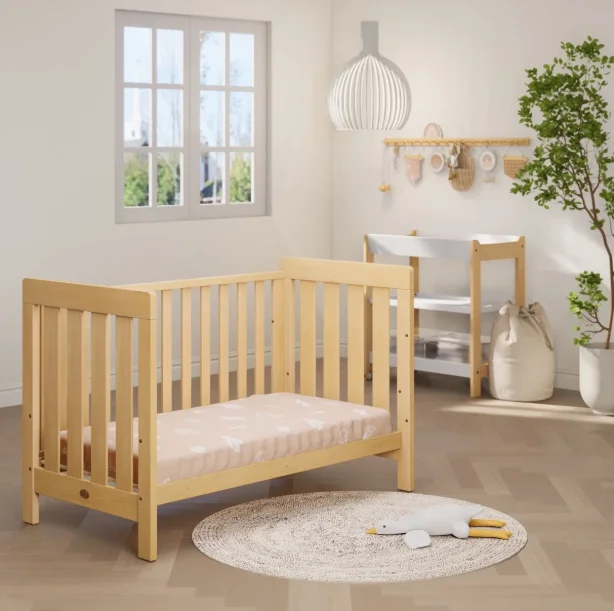
Traveling with a baby can be much easier when the gear fits your family’s routine, vehicle, destination, and child’s stage of development. The right equipment should support safety and comfort without creating unnecessary complications every time you leave home.
Car travel deserves particular attention. The National Highway Traffic Safety Administration recommends choosing a car seat based on a child’s age and size, making sure it fits the vehicle, and following both the seat manufacturer’s instructions and the vehicle owner’s manual.
From daily errands to weekend road trips, these considerations can help parents choose baby gear that works both at home and away.
1. Start With Safety and Age-Appropriate Gear
For families who spend significant time driving, a convertible car seat can offer a practical option because many models support both rear-facing and forward-facing use as a child grows.
Safety should come before appearance, extra features, or convenience.
Before buying any baby product, check:
- Recommended age range
- Minimum and maximum weight limits
- Height limits
- Applicable safety standards
- Installation requirements
- Manufacturer instructions
- Product recall information
For car seats, NHTSA recommends keeping children rear-facing as long as they remain within the height and weight limits specified by the manufacturer.
Avoid choosing gear simply because a child may eventually grow into it. Products designed for the child’s current size and developmental stage are usually the better choice.
2. Consider How Often You Travel
A family that takes one vacation each year may have different needs from a family that drives several hours every weekend.
Think about your normal schedule before buying travel equipment.
Ask yourself:
- How often do we travel by car?
- Do we regularly fly?
- Do we rely on public transportation?
- Will we need to carry gear up stairs?
- How much storage space does our vehicle have?
- Do grandparents or caregivers need to use the equipment?
Frequent travelers may place greater value on lightweight equipment, compact folding designs, and products that are easy to install or carry.
For everyday use, durability and simple cleaning may matter more.
3. Check Whether the Car Seat Fits Your Vehicle
Not every car seat works equally well in every vehicle.
A larger seat may fit comfortably in an SUV but take up substantial passenger space in a compact car. Before purchasing, review the product dimensions and consider where the seat will be installed.
You should also check whether the car seat can be installed correctly using the vehicle seat belt or lower anchors according to the instructions.
Consider:
- Front-to-back space
- Seat width
- Vehicle seat shape
- Access to other passenger seats
- Installation method
- Ease of tightening the harness
- Whether multiple car seats must fit side by side
If your family uses more than one vehicle, confirm that the seat works properly in each one.
4. Choose a Stroller for Your Actual Routine
A stroller that performs well on city sidewalks may not be the best option for trails, uneven paths, airports, or frequent car travel.
Think about where the stroller will be used most often.
For urban use, maneuverability and a compact fold may be priorities. Families who spend time outdoors may prefer larger wheels, stronger suspension, and additional storage.
Check features such as:
- Folded size
- Weight
- Wheel design
- Storage basket
- Recline positions
- Sun canopy
- Brake design
- Handle height
- Compatibility with infant car seats
Try folding and lifting a stroller before purchasing when possible. A product that seems lightweight on paper may feel different when you are also carrying a diaper bag, child, and luggage.
5. Think About Air Travel Before Buying Gear
If your family expects to fly regularly, consider how your baby gear will work at the airport and onboard the aircraft.
Some car seats are approved for aircraft use, while others are not.
The Federal Aviation Administration recommends using an approved child restraint system for young children during flights and advises parents to confirm that a seat carries the appropriate aircraft certification label.
Before flying with a car seat:
- Check the product’s aircraft approval
- Review airline policies
- Confirm seat dimensions
- Check your child’s size limits
- Read installation instructions
- Verify your seating arrangement with the airline
A compact stroller may also make airport travel easier, particularly if it can be folded quickly at security or the boarding gate.
6. Look for Gear That Is Easy to Clean
Babies and young children create spills, crumbs, stains, and unexpected messes.
Products that are difficult to clean can become frustrating during long trips or everyday use.
Look for removable, washable fabrics where possible. Check whether cup holders, trays, seat covers, and other components can be cleaned without complicated disassembly.
For travel gear, consider materials that can be wiped down quickly when washing facilities are not immediately available.
Before purchasing, read the manufacturer’s cleaning instructions. Some car seat components have specific washing requirements, and using unapproved cleaning products or methods may affect the materials.
7. Avoid Buying Features You Will Rarely Use
Baby gear often comes with long lists of features, but more features do not always mean a better fit for your family.
Focus on the functions you will use regularly.
For example, parents who drive frequently may value easy harness adjustment and straightforward installation. Parents living in apartments may care more about stroller weight and folded size.
Prioritize:
- Safety
- Correct fit
- Ease of use
- Durability
- Cleaning
- Storage
- Portability
Treat optional extras as secondary considerations.
A simpler product that works well every day may be more useful than a feature-heavy option that is difficult to carry, store, or set up.
8. Consider How Long the Product Can Be Used
Babies grow quickly, so useful lifespan is an important part of evaluating value.
Check height and weight limits rather than relying only on suggested age ranges. Children grow at different rates, and manufacturer limits determine when a product has been outgrown.
Products with adjustable features may remain useful for longer.
Examples include:
- Adjustable harness heights
- Multiple recline settings
- Extendable stroller seats
- Adjustable footrests
- Convertible seating modes
However, long-term use should never come at the expense of proper fit for the child’s current size.
9. Keep Portability in Perspective
Travel-friendly gear is often marketed around low weight and compact dimensions. Those factors matter, but they should be considered alongside usability.
A very lightweight stroller may provide less storage than you need. A compact car seat may fit your vehicle well but require a different installation process than you are accustomed to.
When comparing products, think about the full routine.
For example, imagine:
- Loading the gear into your vehicle.
- Driving to your destination.
- Removing the child safely.
- Setting up the stroller.
- Carrying everything you need.
- Folding and storing the gear again.
The easier that sequence feels, the more likely the equipment is to work well in daily life.
10. Register Safety Products After Purchase
After purchasing a car seat or other safety-related product, complete the manufacturer’s registration process.
Registration allows manufacturers to contact owners if a recall or safety notice is issued.
NHTSA also recommends registering car seats so parents can receive recall information directly.
Keep product manuals, purchase details, model numbers, and manufacturer information somewhere accessible. This is especially helpful if the gear is moved between vehicles or shared with another caregiver.
Create a Practical Baby Travel Kit
You do not need to bring every baby product on every outing.
A simple travel kit might include:
- Diapers and wipes
- Changing supplies
- Extra clothing
- Feeding essentials
- Water and snacks when age-appropriate
- First-aid supplies
- Weather protection
- Car seat
- Stroller or carrier
- Comfort item
Adjust the list based on your child’s age, trip length, transportation method, and destination.
Keeping frequently used items packed in advance can make short trips much easier.
Choose Gear That Fits Real Family Life
The right baby gear is not necessarily the product with the longest feature list. It is the equipment that fits your child correctly, works with your transportation, and is simple enough to use consistently.
Start with safety, then consider fit, portability, cleaning, storage, durability, and how often you travel. Choosing products around your family’s real routine can make daily errands, road trips, flights, and weekend outings easier to manage.
Frequently Asked Questions
What baby gear is most important for family travel?
A properly fitted car seat is one of the most important items for road travel. Depending on the destination, families may also need a stroller, baby carrier, feeding supplies, changing equipment, weather protection, and portable sleep equipment.
Are convertible car seats good for travel?
They can be useful for road travel because many models support several stages of use. However, size and weight vary considerably. Families planning to fly should also check whether their specific seat is approved for aircraft use.
How do I know if a car seat fits my child?
Check the manufacturer’s height and weight limits and follow the instructions for the appropriate seating position. Harness fit and installation should also match the manufacturer’s requirements.
Should I buy separate baby gear specifically for travel?
Not always. If your everyday gear is portable, properly fitted, and practical to transport, separate travel products may be unnecessary. Frequent travelers may benefit from lighter or more compact equipment.
What should I check before flying with a car seat?
Confirm that the seat is approved for aircraft use, check the certification label, review the airline’s policies, confirm seat dimensions, and follow both airline and manufacturer instructions.
Disclaimer: The information provided in this article is for general informational and educational purposes only and does not constitute professional safety, parenting, or product advice. Car seat regulations, safety standards, and product specifications vary; readers should follow manufacturer instructions, vehicle manuals, and applicable laws. The mention of specific organizations or products is illustrative and does not imply endorsement. The author and publisher disclaim all liability for injuries, product failures, or losses arising from reliance on this content. Always verify safety certifications, recalls, and installation requirements before purchasing or using baby gear.
Discover stories that resonate—our meaningful articles connect with your experiences and spark new ideas.