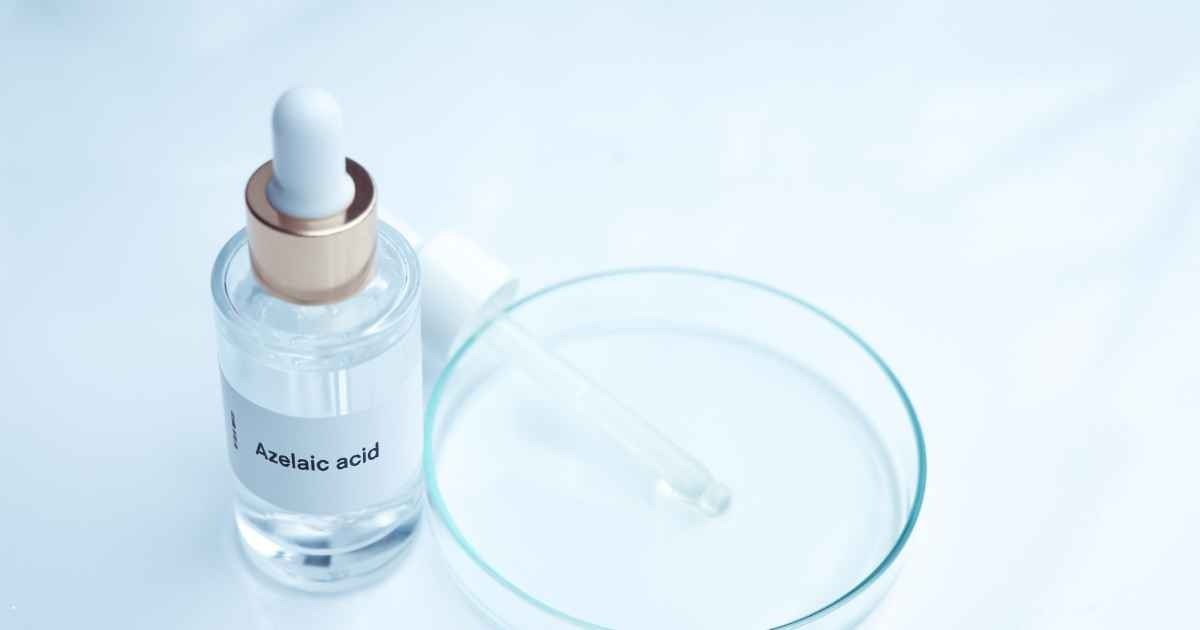
Acne can be frustrating to manage, especially when breakouts are accompanied by redness, inflammation, and lingering post-acne marks. While ingredients such as salicylic acid and benzoyl peroxide are widely recognized for treating blemishes, azelaic acid has become another popular option for people looking for a versatile addition to their skincare routine.
Used in both prescription and over-the-counter skincare products, azelaic acid can address several factors associated with acne while also helping improve the appearance of uneven skin tone. But does it actually work? Understanding how the ingredient interacts with the skin—and what clinical research says about its effectiveness—can help determine whether it belongs in your routine.
How Azelaic Acid Works to Treat Acne
Azelaic acid is a naturally occurring dicarboxylic acid known for its antimicrobial, anti-inflammatory, and keratinization-normalizing properties. Together, these characteristics allow it to target several components involved in acne development.
One of its key benefits is its ability to help reduce bacteria associated with acne. At the same time, azelaic acid can help normalize the shedding of skin cells within pores, which may reduce the buildup that contributes to clogged pores and blemishes. Its anti-inflammatory properties can also help calm the redness and irritation commonly associated with inflammatory acne.
Another advantage is its ability to address post-inflammatory hyperpigmentation. After a blemish heals, increased pigment production can leave behind dark spots that remain visible for weeks or months. Azelaic acid inhibits tyrosinase, an enzyme involved in melanin production, which can gradually improve the appearance of post-acne discoloration.
For people comparing azelaic acid vs benzoyl peroxide, the choice may depend on individual concerns and skin tolerance. Benzoyl peroxide is widely used to target acne-causing bacteria, while azelaic acid offers the additional benefit of addressing redness and uneven pigmentation. Some people also find azelaic acid easier to incorporate into routines where irritation is a concern.
What Clinical Research Says About Azelaic Acid for Acne
Azelaic acid isn’t simply a trending skincare ingredient—it has been studied for decades and is an established topical treatment for acne. Clinical research has demonstrated benefits for both inflammatory acne, including red and swollen blemishes, and non-inflammatory acne, such as clogged pores.
Research has evaluated azelaic acid in concentrations commonly used in topical treatments, including 15% and 20% formulations. Studies have found reductions in acne lesions with consistent use, although improvements generally develop gradually rather than overnight.
This makes consistency particularly important. Depending on the formulation and individual skin response, noticeable improvements may take several weeks, with continued progress occurring over multiple months. Following product directions, moisturizing regularly, and using daily sunscreen can help support an effective routine.
A comprehensive skincare approach can also address concerns beyond acne. For example, someone building an age-supportive regimen may use a targeted best neck tightening cream for the neck while incorporating separate ingredients designed to address blemishes and discoloration on the face.
It’s also important to remember that acne has many potential causes. Hormones, genetics, stress, skincare products, and certain medications can all influence breakouts. Persistent or severe acne may require guidance from a dermatologist, particularly when there is a risk of scarring.
Final Thoughts
Research supports azelaic acid as a legitimate acne treatment rather than simply another skincare trend. Its ability to target acne-associated bacteria, inflammation, clogged pores, and post-acne discoloration makes it particularly versatile for people dealing with multiple concerns at once. While results take time, consistent use can help support clearer, calmer, and more even-looking skin. As with any active ingredient, choosing an appropriate formulation and introducing it thoughtfully can make azelaic acid a valuable part of a long-term acne care routine.
Disclaimer: The information provided in this article is for general informational and educational purposes only. It does not constitute professional medical or dermatological advice. Individual skin responses vary; always consult a qualified healthcare provider or dermatologist for persistent or severe acne. Product formulations and concentrations matter. The author and publisher disclaim all liability for any skin reactions or decisions based on this content. Always patch test new products and follow usage instructions. This article does not guarantee specific results.
Dive into content that delivers value—start with our impactful resources and transform your approach.