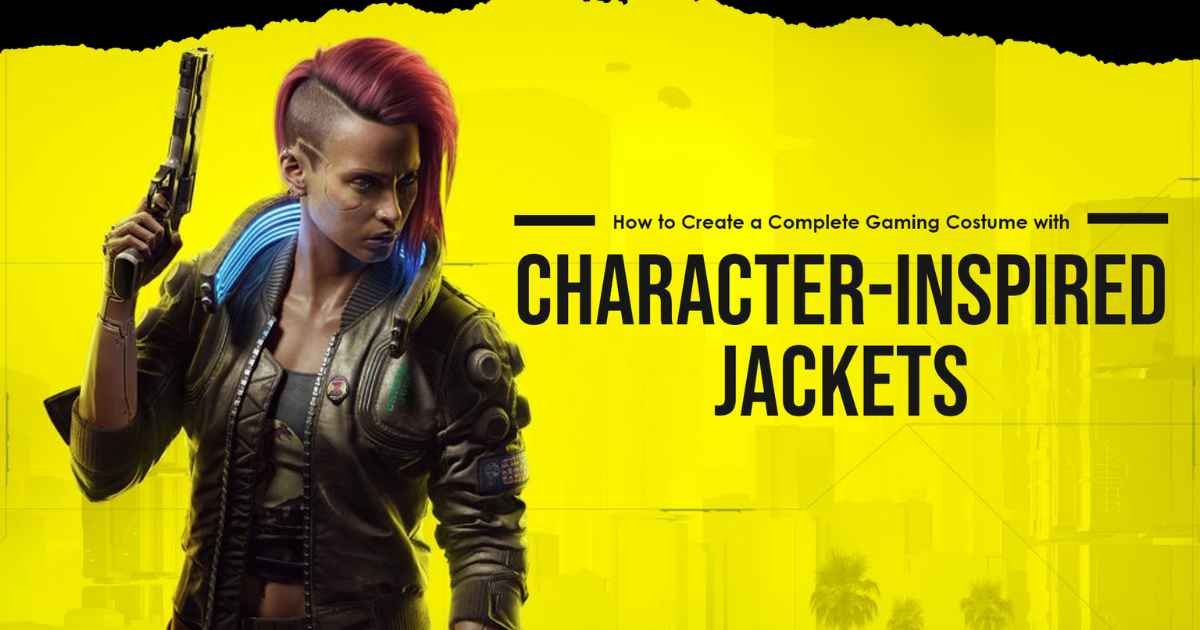
Most people start a cosplay project at the wrong end. They buy the wig, the props, and a stack of accessories, then realize the outfit still doesn’t look like the character. The missing piece is almost always the outer layer. In a lot of Gaming Jackets, the jacket is the thing that tells you who someone is from twenty feet away. It sets the color, the silhouette, and the mood, and everything else either supports it or fights it. This guide takes a jacket-first approach, so you can build a complete outfit step by step without wasting money on pieces that don’t fit together.
Why Start With the Jacket
Think about how you recognize a character in a crowd. You rarely notice the boots or the belt first. You notice the big shapes: a hooded cloak, a bulky tactical coat, a sleek leather jacket with a bold collar. These shapes read clearly in photos, in dim convention halls, and from across a room.
Starting with the jacket also makes practical sense. It’s usually the most expensive and hardest piece to replace, and it determines how everything else should look. Once it’s chosen, the pants, shirt, and accessories almost pick themselves.
Match the Jacket to the Character Type
Different kinds of characters tend to wear different kinds of outer layers. Here are a few common categories and what to look for:
- Fantasy adventurers. Look for long coats, cloaks, or layered tunics with trim, buckles, and rich textures like faux leather or heavy cotton.
- Sci-fi soldiers. Think structured jackets with panel lines, high collars, and a mix of matte and metallic details.
- Wasteland survivors. Weathered leather, patched sleeves, and mismatched straps give the right rough look.
- Urban heroes. Clean silhouettes, bold colors, and one or two standout design features, like an emblem or contrast sleeves.
- Retro or stylized characters. Bright colors, simple shapes, and exaggerated proportions work best.
If you’re not sure which category your character falls into, look at three or four pieces of official artwork and write down the details you keep noticing. Those details are your shopping list.
Choosing the Right Piece
Once you know what you want, it’s time to compare options. A good set of gaming costumes depends on getting the main jacket right, so spend some time on this step.
Check these points:
- Silhouette. Is the length, shoulder shape, and collar close to the reference?
- Color. Compare the shade in daylight, since online photos can be misleading.
- Material. Does it look like leather, canvas, wool, or something else? Texture matters as much as color.
- Construction. Look at the stitching, zippers, and lining. Flimsy details won’t survive a long day.
- Fit. Make sure you can raise your arms, sit, and layer underneath.
If the exact design isn’t available, don’t panic. Many cosplayers start with a plain jacket in the right color and modify it, adding trim, patches, or paint. A simple base can be customized into something unique.
Where Specialist Options Fit In
Some shoppers prefer to explore gaming jackets from brands like Fanzilla Jackets, which offers styles designed with fans in mind, rather than trying to adapt ordinary outerwear. These jackets often feature recognizable details, such as specific collars, panel layouts, and color blocking, that can be tedious to recreate yourself. They can save time and provide a better starting point, especially when building a detailed character look.
Similarly, video game jackets inspired by particular franchises can make a big difference when accuracy matters. With Fanzilla Jackets, shoppers can explore gaming-inspired styles and compare designs with the original artwork. Always check sizing charts carefully and read customer reviews to understand whether an item runs large or small. Also, consider versatility: a well-made jacket that works as both a costume piece and everyday outerwear can be a better investment than something you will wear only once.
Build the Layers Underneath
With the jacket sorted, move on to the layers beneath it. A few rules make this easier:
- Keep the base simple. A plain shirt in a matching or contrasting color usually works best.
- Think about proportions. If the jacket is bulky, balance it with slimmer trousers. If it’s fitted, you can add volume elsewhere.
- Match the texture. Mixing materials, such as cotton, leather, and metal, adds depth, but too many textures at once can look messy.
- Mind the temperature. Heavy layers get hot fast, so choose breathable fabrics wherever possible.
Test the full outfit before the event. Sit down, climb stairs, and reach overhead. If something pinches or slides, fix it now.
Add Accessories With Purpose
Accessories are where a good outfit becomes a convincing one, but they should serve the design. Pick a few that match the character’s story and function.
Belts, straps, and pouches add visual interest and give the outfit a lived-in look. Gloves and bracers make the hands and arms look finished. Boots or shoes should match the character’s style, but comfort matters more than accuracy if you’ll be walking all day. A prop, such as a weapon or tool, can be fun, but keep it lightweight and check the venue’s rules first.
Avoid piling on too much. If every inch of the outfit has something hanging from it, the main shapes get lost.
Don’t Skip Hair and Makeup
Even the best jacket looks incomplete with the wrong hair. If your character has a distinctive style, a wig can make a huge difference. Test it ahead of time, trim it if necessary, and secure it well.
Makeup can be simple or elaborate. A bit of shading, scars, or color accents can add personality without taking hours to apply. Whatever you choose, test products on your skin beforehand, and bring touch-up supplies.
Weathering and Finishing Touches
Brand-new clothes often look too clean for adventurers, soldiers, and survivors. A little weathering helps the outfit feel real.
- Lightly sand edges and seams for a worn look.
- Use diluted paint or fabric dye to add dirt or fading.
- Rub dry pigment into creases and corners.
- Seal any paint so it doesn’t transfer onto surfaces.
Work slowly and test on hidden areas first. You can always add more, but it’s hard to undo.
Look After It Afterward
When the event ends, take a few minutes to care for your costume. Let everything air out, repair any damage, and store pieces separately. Hang jackets on sturdy hangers and keep props somewhere safe. A bit of attention now means the outfit will be ready for the next convention.
Wrapping Up
A complete outfit doesn’t have to be complicated. Start with the right jacket, build the layers around it, add accessories with care, and keep comfort in mind. If you do that, you’ll end up with something that looks great and feels good to wear.
When you’re ready to find the centerpiece for your next cosplay, take a look at the collection at Fanzilla Jackets and see what fits your project.
Disclaimer: This article is for general informational purposes only and does not constitute professional fashion, consumer, or safety advice. Product designs, materials, sizing, availability, pricing, and return policies vary by seller and may change without notice. Character-inspired designs, franchise names, logos, and artwork may be protected by intellectual property rights; readers should ensure any purchase or public use complies with applicable trademark and copyright rules. Check venue rules before carrying props, especially items that resemble weapons. Test wigs, makeup, paints, and adhesives on a small area of skin beforehand, and work in a ventilated space when using dyes or sealants. Any mention of specific retailers or products does not imply endorsement. The author and publisher disclaim any liability for decisions made based on this content.
Master the art of meaningful conversation—our relationship-building tips help you connect deeper and communicate better.