Losing weight quickly can sound appealing, especially when you have a specific goal or event in mind. But extreme diets, dehydration, and unproven products can harm your health and make it harder to maintain results. A more useful goal is to make steady progress with changes you can continue over time.
For many adults, losing around 1–2 pounds (0.5–1 kg) per week is a gradual pace that may be easier to maintain. Your results will depend on factors such as your starting weight, health, medications, sleep, stress, and daily activity. There is no single plan that works exactly the same way for everyone.
Start with a manageable calorie deficit
Weight loss generally happens when your body uses more energy than you take in through food and drinks. This is called a calorie deficit. You don’t need to starve yourself or cut out every food you enjoy to create one. Often, a few consistent changes can make a difference.
Start by noticing where extra calories may be coming from. Sugary drinks, large portions, frequent snacks, and takeout meals can add up without making you feel satisfied for long. Try replacing sweetened drinks with water or unsweetened options, serving a reasonable portion, and planning meals before you become very hungry.
Build meals around foods that are filling and nourishing. Vegetables, fruit, beans, whole grains, and protein-rich foods can help make meals satisfying. Protein sources might include eggs, fish, poultry, tofu, yogurt, or legumes, depending on your preferences. You can still include foods you enjoy; the aim is to find a pattern you can follow consistently.
A simple food diary can help you understand your habits. For several days, record what you eat and drink, when you eat, and how hungry you feel. Use the information to choose one or two changes to work on. Tracking should be a helpful tool, not a reason to feel guilty about food.
Choose activity you can repeat
Exercise supports overall health and can help with weight management. You don’t have to begin with intense workouts. Brisk walking is an accessible starting point for many people. Cycling, swimming, dancing, gardening, or a group class can also help you move more.
Aim to build toward regular activity throughout the week. Public health guidance commonly recommends at least 150 minutes of moderate-intensity activity per week for adults, along with muscle-strengthening activity on two or more days. If you have been inactive, begin with shorter sessions and increase gradually. Even a brief walk is a useful first step.
Strength training can help you maintain muscle while losing weight. You might use body-weight exercises, resistance bands, or weights. Start with movements that feel manageable, pay attention to your form, and allow time to recover between sessions. If you have an injury or a medical condition, ask a healthcare professional what kind of activity is suitable for you.
It can help to plan activity around your usual schedule. For example, you might walk during a lunch break, take the stairs when practical, or set aside time for two short strength sessions each week. A routine you can repeat is more useful than a demanding plan you abandon after a few days.
Don’t overlook sleep and stress
Sleep and stress can affect appetite, energy, and your ability to keep up healthy routines. Try to keep a regular bedtime and wake-up time where possible. A calm evening routine, less screen time before bed, or a short walk can help some people wind down.
Stress management does not have to be complicated. Try stretching, breathing exercises, writing down tomorrow’s tasks, or talking with someone you trust. These steps are not weight-loss treatments on their own, but they can make it easier to follow your eating and activity plan.
Be realistic about weight-loss supplements
Zuiverlab sells weight-loss supplements, but the fact that a supplement is available for sale does not prove that it will produce significant or lasting weight loss. Products may use ingredients intended to affect appetite, energy, or digestion, yet evidence and safety can vary from one ingredient and product to another.
Read the full ingredient list and follow the product label. Be wary of claims that promise dramatic results in a few days, say you can lose weight without changing your habits, or guarantee a particular amount of fat loss. Some ingredients can cause side effects or interact with prescription and over-the-counter medicines.
If you are considering a weight-loss supplement, speak with a healthcare professional first, especially if you take medication or have high blood pressure, diabetes, heart or liver problems, or another health condition. Bring the product label or a photo of it so they can review the ingredients with you. Do not use a supplement as a substitute for food, and stop taking it and seek medical advice if you experience concerning symptoms.
SARMs are not a weight-loss shortcut
SARMs are selective androgen receptor modulators. They are sometimes promoted online for muscle gain or body composition, but they are not established weight-loss treatments. They should not be presented as a proven or safe way to lose fat.
Products marketed as SARMs may carry serious health risks. Reported concerns include liver injury and potential heart-related harm, among other effects. Their quality and contents may also be uncertain. Using SARMs to try to speed up weight loss is not a safe substitute for a sustainable eating and activity plan.
If you are already using SARMs, talk with a healthcare professional about the risks and be honest about what you have taken. If you develop severe or unusual symptoms, seek urgent medical care.
Measure progress over time
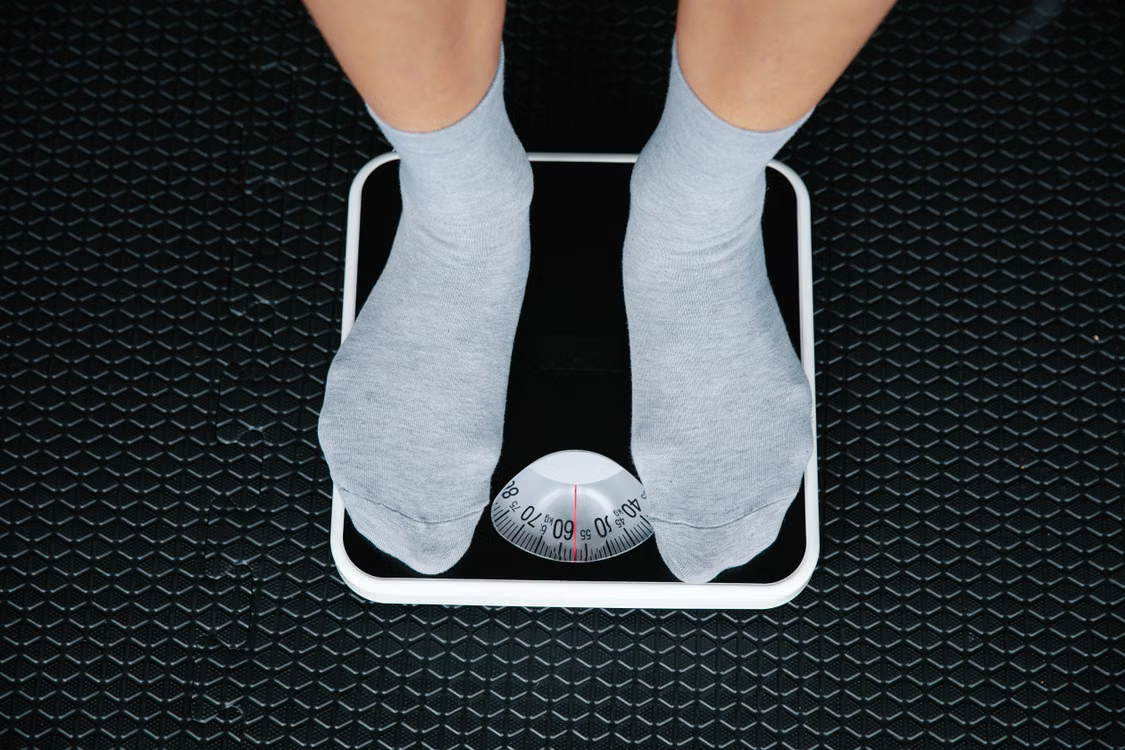
Body weight naturally changes from day to day. Food, fluids, digestion, and other normal factors can shift the number on the scale. If you choose to weigh yourself, use similar conditions each time and pay attention to the longer-term trend rather than a single reading.
You can also track progress in other ways: waist measurement, stamina, strength, sleep, or how your clothes fit. Set an initial goal that feels realistic and review your routine every few weeks. If progress stalls, consider whether your portions, activity, schedule, or sleep have changed. Avoid responding by drastically cutting food or exercising to exhaustion.
A modest amount of weight loss may still be meaningful for health. Your personal target should reflect your circumstances, not an online transformation story or someone else’s timeline.
When to get professional guidance
Talk with a healthcare professional before starting a major weight-loss plan if you have a chronic health condition, take prescription medication, are pregnant, or have a history of disordered eating. They can help you choose an appropriate plan and discuss evidence-based treatment options when needed.
The key is consistency: create a manageable calorie deficit, move regularly, get enough rest, and evaluate supplements carefully. Fast weight loss promises can be tempting, but steady habits are more likely to support lasting results.