Every year, more families swap grey skies for the Costa Blanca. Towns like Jávea, Moraira and Dénia offer sunshine, international schools and a relaxed pace of life. Many newcomers also bring a business with them, or start one soon after they arrive.
The lifestyle is the easy part. The paperwork, the schooling and getting a business noticed locally take more planning. This guide walks through the three steps that matter most: securing residency, settling the children, and getting your business found online.
Step 1: Sort your residency and TIE card
If you are moving from outside the EU, including from the UK since Brexit, your residency is confirmed with a TIE card (Tarjeta de Identidad de Extranjero). It is your official foreign resident ID in Spain. You will need it for many everyday tasks, from opening accounts to dealing with local services.
Getting one is rarely difficult, but it can be fiddly. Appointments at the police station are often hard to find. Forms must be completed in Spanish, fees paid in advance, and the right documents brought on the day. A missing paper can mean starting again.
That is why many new arrivals use a local service. In Jávea, Civion offers help with your TIE application, guiding you through the paperwork and the appointment so you get it right first time. It takes much of the stress out of your first weeks in Spain.
Step 2: Help your children settle in
The Costa Blanca has several well-regarded international schools, and many teach in English. For families arriving from France, Germany, Scandinavia or the Netherlands, that can be a hurdle. A child who is bright and confident at home can struggle in a classroom where they cannot yet follow the lesson.
A little preparation makes a big difference. One-to-one English lessons before and during the move help children build vocabulary and confidence quickly. They then start school ready to make friends and keep up with classmates.
Civion also offers one-to-one English tuition for children aged 6 to 12. Lessons are taught by a fully British-qualified teacher who has taught at schools in the area, so they know exactly what local international schools expect.
Step 3: Set up your business
Many people who move here want to keep working, whether they run a trade, a café, a holiday rental or a consultancy. In Spain, most small operators register as self-employed (autónomo), while larger ventures often form a limited company (Sociedad Limitada, or SL).
Either route involves tax registration, social security and ongoing accounts. A good local gestor or accountant is worth finding early. They will advise on the right structure for your situation and keep you on the right side of the rules.
Step 4: Get your business found online
Once the business is registered, the next challenge is finding customers. On the Costa Blanca, both locals and the large international community search online first. They look for a builder, a restaurant or a holiday let on Google, often in English, Spanish or both.
A professional website is the foundation. It should load quickly on a phone, show clearly what you offer and where, and make it easy to call or book. Building it with search in mind from day one also helps you appear when people nearby look for what you sell.
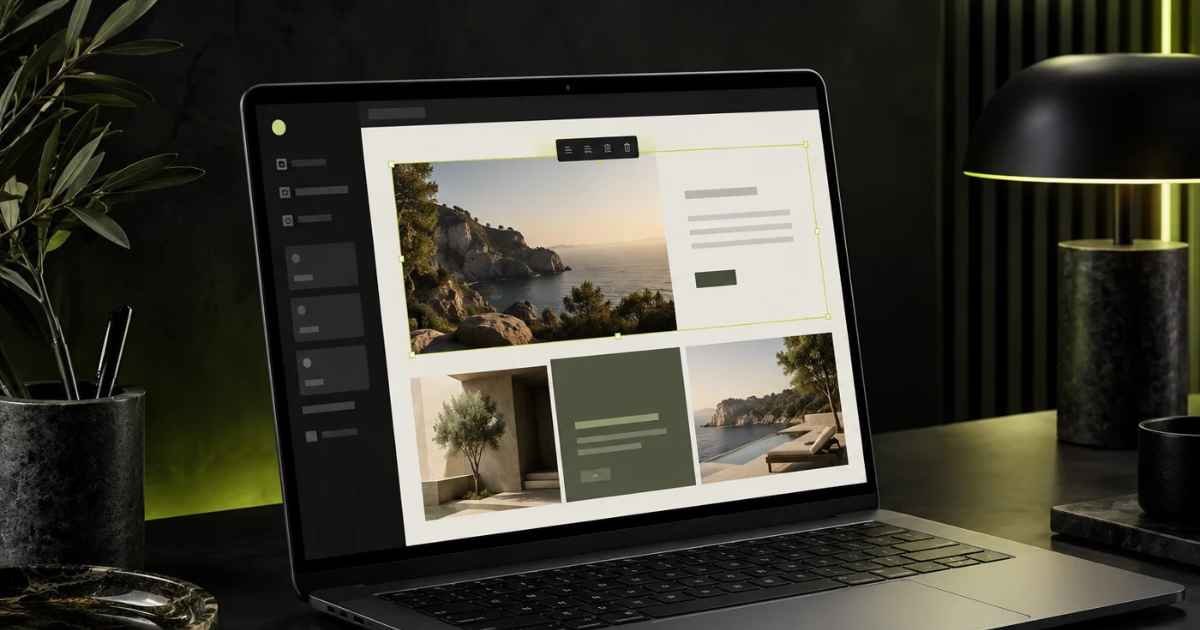
Working with a local team helps here, because they understand the market and the mix of languages. DigitalSpain, based in Jávea, provides web design on the Costa Blanca for new and established businesses. They build sites that look the part and help local customers find you.
Your move-and-launch checklist
- Apply for your TIE card and book the appointment early.
- Line up English support for the children before school starts.
- Choose your business structure with a local gestor.
- Launch a website built for local search.
Moving to the Costa Blanca to live and work is one of the best decisions many families make. Tackle these steps in order, with the right local help, and you can spend less time on paperwork and more time enjoying the life you came for.
Disclaimer: This article is for general informational purposes only and does not constitute legal, immigration, tax, or business advice. Residency requirements, TIE card procedures, police appointment availability, fees, and documentation rules change without notice and depend on your nationality and personal circumstances. Spain’s autónomo and Sociedad Limitada registration, tax, and social security obligations vary by situation; consult a qualified local gestor, accountant, or immigration lawyer before acting. School admission policies and language-support needs differ by institution and child. Details about Civion (TIE assistance, English tuition for ages 6–12, British-qualified teacher) and DigitalSpain (web design in Jávea, local search focus) are based on the providers’ own statements and have not been independently verified; their mention does not imply endorsement. Readers should verify all current requirements, fees, and service details directly with the relevant authorities and providers. The author and publisher disclaim any liability for decisions made based on this content.
Learn faster by teaching others—our knowledge-sharing strategies help you deepen your understanding while helping others grow.