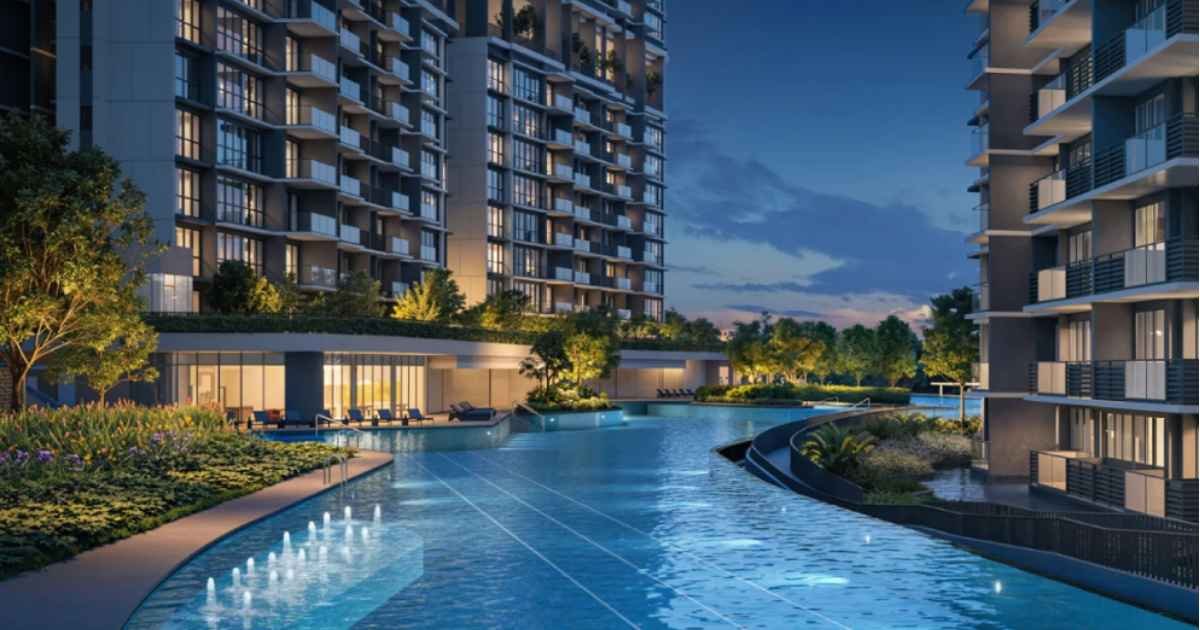
Buying a condominium in Singapore represents a major financial milestone, but buyers must understand the transaction costs involved. Among these, the Additional Buyer’s Stamp Duty (ABSD) represents one of the most significant upfront expenses. Whether you are eyeing a premium development like the upcoming Thomson Reserve or looking at suburban options, ABSD directly impacts your purchasing power. This tax applies to residential property purchases based on your residency status and the number of properties you own. Failing to account for this cost can disrupt your financial planning and jeopardize your property acquisition. Let us look at five critical facts every condo buyer must know to make informed decisions.
The Basics of ABSD Rates and Framework
The government introduced the Additional Buyer’s Stamp Duty as a cooling measure to manage demand in the residential property market. This tax is calculated as a percentage of either the purchase price or the market value of the property, whichever is higher. Singapore Citizens, Permanent Residents (PRs), and foreigners pay different rates depending on their profile and the number of residential properties they already own.
Current Rates for Citizens and PRs
For Singapore Citizens, the first property purchase incurs no ABSD. However, buying a second residential property triggers a 20% tax rate, and subsequent purchases incur 30%. Permanent Residents face a 5% tax on their first home, which escalates to 30% for a second property and 35% for any additional purchases. These substantial percentages mean that buyers planning to acquire units in developments near Lentor Garden or other emerging residential enclaves must prepare significant cash reserves or CPF funds beforehand.
Rates for Foreign Buyers and Entities
Foreign buyers face the steepest rates, currently set at 60% for any residential property purchase. Entities and housing developers face even higher rates, though developers can get remissions under specific conditions. Knowing these brackets prevents unexpected financial shortfalls during the booking process.
How ABSD Affects Joint Purchases and Decoupling
When two or more individuals buy a property together, the tax authority assesses ABSD based on the profile with the highest tax liability. For instance, if a Singapore Citizen purchasing their first home partners with a Permanent Resident buying their second, the transaction attracts the higher rate applicable to the PR’s second property. This rule makes strategic planning essential for couples and family members purchasing assets together.
The Strategy of Decoupling
To avoid high tax rates, some co-owners use a process called decoupling. This involves one owner transferring their share of the property to the other, freeing up one name to purchase a new property as a first-time buyer. If you plan to buy a second unit in a luxury project like Thomson Reserve, decoupling can save hundreds of thousands of dollars. However, this process involves legal fees, seller’s stamp duty if done early, and the restructuring of outstanding home loans.
Trust Structures and Children’s Names
Another method involves purchasing a property under a trust for a minor child. While this keeps the parent’s name free, the government has closed loopholes by imposing a flat 65% ABSD on properties transferred into a trust, though buyers can apply for a refund under specific conditions.
Exemptions and Remissions You Might Qualify For
While ABSD seems like an unavoidable hurdle, several legal exemptions and remissions exist for specific buyer profiles. Understanding these rules can save buyers significant capital when entering the private housing market. For example, citizens of certain countries with Free Trade Agreements (FTAs) with Singapore receive the same tax treatment as Singapore Citizens. This benefit applies to nationals and permanent residents of Iceland, Liechtenstein, Norway, Switzerland, and citizens of the United States of America.
Matrimonial Home Remission
Married couples can also claim a refund on ABSD paid for their second residential property under specific conditions. To qualify, the couple must sell their first property within six months of purchasing the second completed property, or within six months of the Temporary Occupation Permit (TOP) date if the second property is uncompleted. This rule is highly relevant for families upgrading from an HDB flat to a private condominium in prime areas or near the scenic Lentor Garden region.
The Single Buyer Upgrade Refund
This remission only applies to married couples. Single buyers upgrading their homes do not qualify for this refund and must plan their transaction timeline carefully to avoid paying the tax upfront.
Factoring ABSD into Your Total Cost of Acquisition
Many buyers mistakenly assume they can fully finance their ABSD through a bank loan. In reality, you must pay this tax upfront within 14 days of signing the Sale and Purchase Agreement. While you can use your Central Provident Fund (CPF) Ordinary Account savings to pay the duty, you must first pay the amount in cash and seek reimbursement from your CPF board later if your account has sufficient funds.
Impact on Loan-to-Value Limits
The requirement to pay ABSD in cash or CPF reduces the liquid capital available for your down payment. Since the maximum Loan-to-Value (LTV) limit for a first housing loan is 75%, you must raise the remaining 25% through cash and CPF. Adding a 20% or 30% ABSD on top of this requirement dramatically increases the initial capital outlay. For a premium unit at Thomson Reserve, this could mean preparing an extra several hundred thousand dollars in liquid assets before committing to the purchase.
Bridging Loans as a Temporary Solution
Some banks offer bridging loans to help buyers cover the upfront costs while waiting for the proceeds from the sale of their previous home. However, these loans carry high interest rates and should only be used with a clear exit strategy.
Conclusion
Succeeding in the Singapore property market requires a clear understanding of all transaction costs, with the Additional Buyer’s Stamp Duty being one of the most critical. Whether you are looking at prime central residential properties or modern suburban developments near Lentor Garden, ABSD significantly shapes your financial strategy. By understanding the current tax brackets, exploring legal remission options, and planning your purchase timelines, you can avoid costly mistakes. Always consult with qualified property wealth planners and legal experts before signing any options to purchase. Proper preparation ensures that your investment in a private condominium remains a sound and rewarding financial decision for your future.
Disclaimer: The information provided in this article is for general informational and educational purposes only. It does not constitute professional legal, tax, or financial advice. ABSD rates, exemptions, and regulations in Singapore may change; readers should verify all details with the Inland Revenue Authority of Singapore (IRAS) or consult a qualified property tax advisor. The mention of specific developments is illustrative and does not imply endorsement. The author and publisher disclaim all liability for any financial decisions, penalties, or losses arising from reliance on this content. Always seek professional guidance before making property transactions.
Browse through articles that leave a mark—our impactful resources create lasting change.