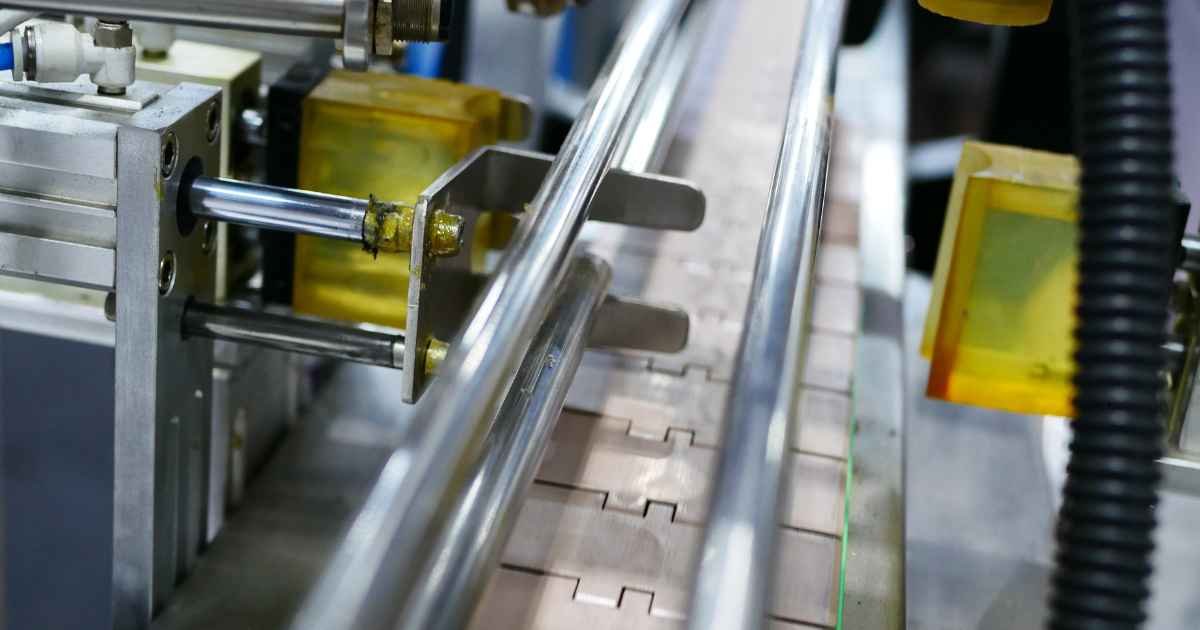
The pitch for an automatic capping machine usually centers on speed and labor savings, and both are real. But the number that actually matters — the one that determines whether the purchase pays off — isn’t the rated bottles-per-minute figure on a spec sheet. It’s the gap between that rated speed and what the machine actually produces once it’s running your specific product, day after day, with real changeovers and real downtime.
This article works through how to calculate realistic ROI before buying, and the post-installation problems that most commonly eat into the payback period nobody accounted for.
The Spec Sheet Number vs. the Real Number
Manufacturers rate automatic capping machine at a theoretical maximum speed, achieved under ideal conditions with a single cap and bottle format running continuously. Actual production rarely looks like that.
A few factors consistently separate rated speed from real output:
- Changeover time between different bottle or cap formats, which doesn’t appear in the per-minute rating at all.
- Feeder stoppages, where the cap hopper needs refilling or a jammed cap needs manual clearing.
- Startup and shutdown time at the beginning and end of each shift or batch.
- Minor jams and misfeeds that a rated speed figure assumes don’t happen.
A machine rated at 150 bottles per minute might realistically run at an effective 100–120 per minute once these factors are accounted for — and that gap is exactly where ROI calculations based purely on the spec sheet go wrong.
A Practical Way to Estimate Real Output
Rather than trusting the rated speed, it’s worth asking a supplier for actual throughput data from an existing installation with a similar product — not the theoretical maximum, but what a comparable customer sees over a full shift, including changeovers and normal downtime.
If that data isn’t available, running your own trial batch and timing it end to end, including a realistic changeover, gives a far more honest number than any brochure figure. A short trial that only measures raw capping speed on a single format will overstate what the machine delivers in daily production.
Working Through a Simple ROI Example
Consider a hypothetical mid-size fragrance producer currently capping bottles semi-automatically with three operators across a shift, each capping roughly 300–400 bottles an hour by hand.
Moving to a fully automatic capper might reduce that to one operator monitoring the line, with the machine handling placement and tightening. The labor savings come from two fewer operators per shift, not from the machine “replacing” capping entirely — someone still needs to watch for jams, refill the cap hopper, and pull rejected bottles.
The real calculation isn’t simply “machine cost divided by labor cost saved.” It needs to include:
- The reduced headcount, valued at actual wage cost per shift
- Any increase in consistent seal quality, which may reduce returns or rework costs
- Changeover time on the new machine versus the old process, since automatic machines aren’t always faster to reconfigure than manual capping
- Maintenance and consumable costs the manual process didn’t have
Working through actual numbers for your specific labor rates and production volume, rather than applying a generic payback period assumption, is the only way to know whether a given machine will pay for itself in six months or three years.
Problems That Show Up After Installation
Feeder tuning takes longer than expected. Bowl feeders and orientation tracks need to be dialed in to your specific cap geometry, and this tuning process is routinely underestimated during installation planning. It’s common for a line to run below its rated speed for the first few weeks simply because the feeder hasn’t been fully optimized yet.
Line balancing reveals a new bottleneck. A capping machine that’s faster than the upstream filler or downstream labeler doesn’t actually increase total line output — it just sits idle waiting for bottles or backs up finished product. ROI calculations that only look at the capping station in isolation miss this.
Operators aren’t trained for exception handling. Moving from manual capping to monitoring an automatic line requires a different skill set — recognizing early signs of a developing jam, knowing when torque settings need adjustment, troubleshooting a misfeed. Underinvesting in this training shows up as more downtime than expected in the first few months.
Changeover procedures aren’t documented. If the knowledge of how to reconfigure the machine for a different bottle or cap format lives only in one technician’s head, changeover time balloons whenever that person isn’t available. Written, tested changeover procedures protect the throughput assumptions the ROI calculation was built on.
Spare parts weren’t stocked in advance. Wear components like chuck grips and clutch springs will eventually need replacement, and if spares aren’t on hand, even a short part failure can mean days of downtime waiting on shipment — which erases weeks of the labor savings the machine was supposed to deliver.
Questions That Protect Your ROI Calculation Before Buying
- Can you provide real throughput data, including changeovers, from a customer running a similar product?
- What’s the expected feeder tuning time during installation, and is that included in the commissioning timeline?
- How does the machine’s rated speed compare to our current filling and labeling line speed?
- What operator training is included, and does it cover exception handling, not just routine operation?
- What wear parts should we stock on-site, and what’s the typical replacement interval?
Final Thoughts
An automatic capping machine can absolutely pay for itself through reduced labor and more consistent output, but the payback period depends on realistic throughput assumptions, not the rated maximum speed from a spec sheet. The businesses that get burned by a slow ROI are usually the ones that calculated payback based on theoretical capacity rather than the effective output once changeovers, feeder tuning, and normal downtime are factored in.
Before signing a purchase order, ask for real production data from a comparable installation, and build your ROI model around that number instead of the rated speed. It’s a more conservative estimate, but it’s the one that will actually match what shows up on the production floor.
Disclaimer: The information provided in this article is for general informational and educational purposes only. It does not constitute professional financial, engineering, or equipment purchasing advice. ROI calculations and machine performance will vary depending on specific production environments, cap and bottle configurations, and operational practices. Always conduct a trial with your own products and consult qualified suppliers before making a capital investment. The author and publisher disclaim all liability for any financial losses, production delays, or other consequences arising from reliance on this content. This article does not endorse any specific machine model or manufacturer.
Searching for breakthrough ideas? Discover our game-changing resources—designed to inspire action.