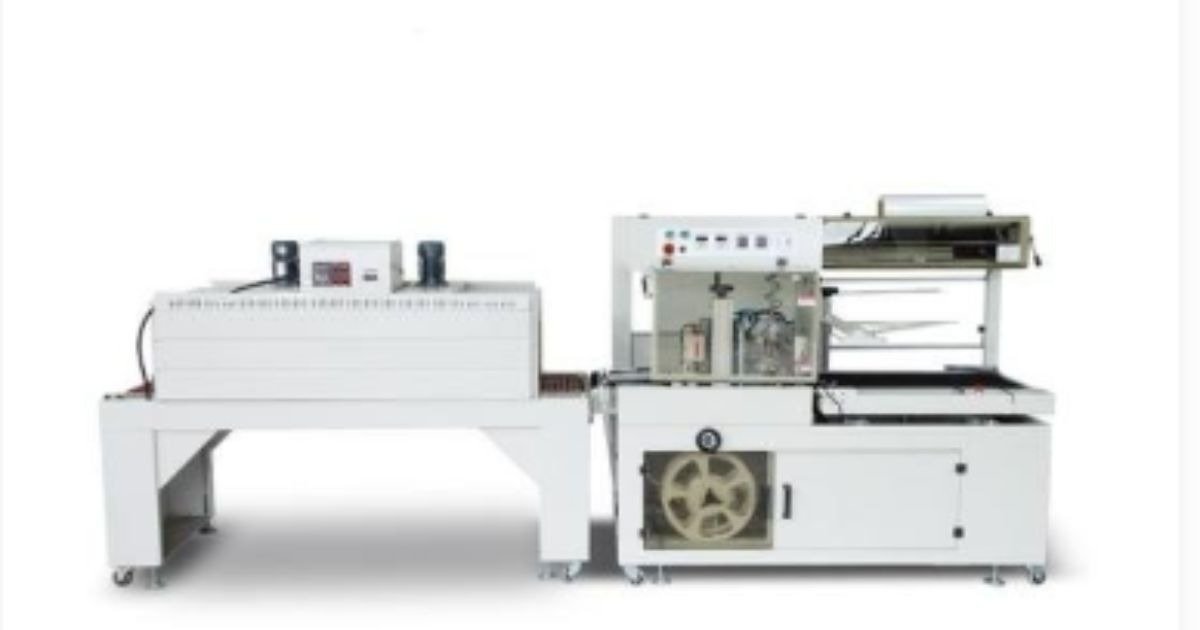
Packaging plays an important role in protecting products, maintaining presentation, and preparing goods for storage or delivery. An automatic wrapping machine helps manufacturers and distributors complete this task with greater consistency and less repetitive manual work. Depending on the equipment, it can wrap individual products, product bundles, cartons, or palletized loads.
Choosing the right wrapping system requires an understanding of the product, packaging material, production volume, and conditions during transportation. A well-matched machine can support an efficient packaging line while helping businesses maintain consistent packaging standards.
Why Automatic Wrapping Matters
Manual wrapping can work for small operations, but it becomes challenging when packaging volumes increase. Employees may need to repeat the same movements throughout a shift, and differences in technique can lead to inconsistent results.
An automatic wrapping machine follows a programmed cycle to apply packaging material. This makes it easier to standardize the wrapping process and coordinate it with other production activities.
Automation can also help reduce unnecessary handling. When products move through a planned sequence, employees can focus on inspection, material replenishment, quality checks, and other tasks that require attention.
However, the actual productivity improvement depends on machine speed, product flow, changeover time, and the way the equipment is integrated into the facility.
Packaging Materials Used
The appropriate wrapping material depends on the purpose of the package.
Stretch film is widely used for pallet wrapping. It stretches around a load and helps hold products together during storage and transportation. Film thickness, stretch characteristics, and wrapping tension should match the load and machine specifications.
Shrink film is used when a close-fitting package is required. After the film is applied, controlled heat causes it to shrink around the product. Businesses must consider product heat sensitivity, ventilation, and the requirements of the selected film.
Other wrapping systems may use paper, specialized flexible films, or protective materials suited to particular industries. Food-contact applications require materials that meet the applicable regulations and intended use.
Using the wrong material can result in poor wrapping quality, excess waste, or equipment problems. Material compatibility should therefore be checked before purchasing packaging supplies.
Important Machine Features
A suitable automatic wrapping machine should offer features that match the operation’s requirements.
Adjustable wrapping settings allow operators to control the wrapping pattern, film tension, number of rotations, or other process variables. The available adjustments depend on the machine type.
Sensors can detect product position and support automatic cycle control. Conveyor integration helps move products through the packaging process without unnecessary manual transfers.
Some machines also offer recipe storage, allowing operators to save settings for different product sizes. This can simplify changeovers when the same line handles several product types.
Safety features should include appropriate guarding, emergency stops, and protective systems around moving parts. For heat-based equipment, temperature controls and suitable protective measures are also important.
Improving Packaging Efficiency
Businesses can improve wrapping performance by organizing the packaging area before installing automation. Products should arrive at the machine in a consistent orientation, and the infeed and outfeed areas should allow smooth movement.
Packaging materials should be stored where operators can replenish them without interrupting production unnecessarily. Frequently used film rolls, tools, and approved replacement parts should be easy to access.
Operators should also monitor wrapping quality. If packages become loose or film consumption increases, the cause may be incorrect tension, unsuitable material, damaged rollers, or changes in load dimensions.
Regularly reviewing cycle times and material usage can reveal opportunities for improvement without requiring an immediate equipment upgrade.
How to Select a Supplier
When comparing suppliers, request details about the machine’s supported product dimensions, operating speed, material compatibility, power requirements, and installation needs.
Ask whether the quoted production rate reflects your actual product and packaging configuration. A machine’s advertised maximum speed may not represent its sustained output under real operating conditions.
It is also useful to confirm warranty terms, operator training, spare-parts availability, maintenance support, and commissioning arrangements. A demonstration using representative products can help determine whether the machine meets practical requirements.
Conclusion
An automatic wrapping machine can improve packaging consistency and support a more organized production process. Selecting suitable materials, configuring the equipment correctly, and maintaining a steady product flow are essential for achieving dependable results. Businesses should evaluate their actual packaging needs and supplier support before investing in new equipment.
Disclaimer: This article is for general informational purposes only and does not constitute professional, technical, or safety advice. Automatic wrapping machine specifications, operating speeds, material compatibility, power requirements, safety features, and installation needs vary by manufacturer, model, and application, and may change without notice. Food-contact and other regulated packaging applications require materials that meet applicable regulations. Readers should verify all technical details, safety guarding requirements, material suitability, and warranty terms directly with the manufacturer or supplier, and ensure installation and operation comply with applicable workplace safety standards. Any mention of specific machine types or materials does not imply endorsement. The author and publisher disclaim any liability for decisions made based on this content.
Build wealth in knowledge and in life—our financial literacy guides make money matters simple and stress-free.