A well-organized classroom helps teachers save time and allows students to find supplies easily. Simple changes, such as labeled storage bins, organized worksheets, and clear classroom routines, can create a better learning environment. Teachers do not need expensive equipment to keep their classrooms organized. A few practical tools and consistent habits can make everyday tasks easier.
1. Label Classroom Supplies
Giving every item a designated place is one of the easiest ways to organize a classroom. Teachers can use labeled containers for pencils, markers, notebooks, art supplies, and other learning materials. Clear labels help students identify where items belong and return them after use.
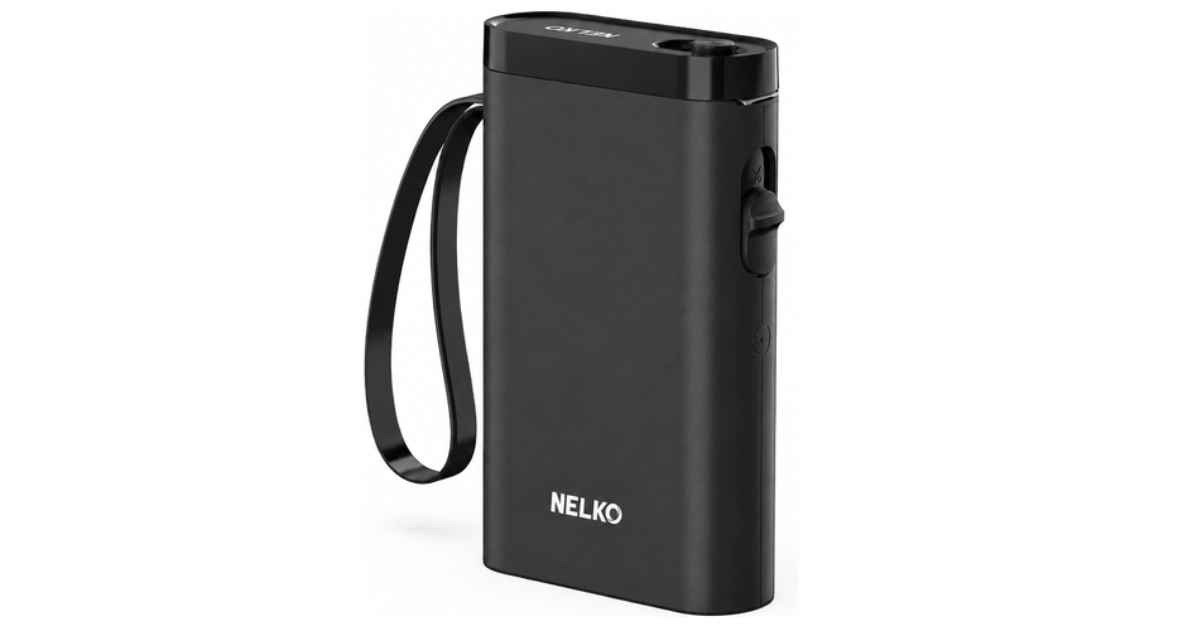
A portable label printer can help teachers create consistent labels for shelves, folders, and storage boxes. The Nelko P21 is a compact Bluetooth label printer that uses thermal printing, so it does not require ink or toner. It connects to compatible mobile devices through the Nelko app.
Teachers can create simple labels such as “Art Supplies,” “Reading Books,” and “Math Materials.” Keeping labels short and easy to read makes the organization system more useful for students of different ages.
2. Create Color-Coded Learning Stations
Learning stations allow students to work independently or in small groups. However, students may become confused if materials are scattered across the classroom.
Assigning a specific color to each subject can make supplies easier to identify. For example, blue folders can hold reading activities, green bins can contain science materials, and yellow trays can store mathematics worksheets.
Use the same colors on folders, containers, and classroom signs. This consistency helps students recognize materials quickly and encourages them to follow classroom routines independently.
3. Organize Worksheets and Assignments
Paperwork can quickly create clutter when worksheets, graded assignments, and permission slips accumulate on desks. Separate folders or trays can help teachers manage these materials more efficiently.
Useful categories include “To Grade,” “Completed Work,” “Take Home,” and “Extra Copies.” Label each section clearly so students know where to place their papers.
Teachers can also organize digital worksheets into folders with matching names. This makes it easier to locate lesson materials and prepare activities for upcoming classes.
4. Use Stickers for Personal Supplies
Students sometimes mix up notebooks, pencil cases, and other personal belongings. Small stickers can help identify items and make classroom organization more convenient.
A mini sticker printer can be used to prepare small labels for notebooks, folders, and creative classroom projects. The Nelko PM230 uses thermal printing and produces black-and-white prints through a compatible mobile device and the Nelko app.
Teachers can create simple stickers with student initials, subject names, or short reminders. Clear, readable designs work best for identifying supplies and organizing learning materials.
5. Display Classroom Routines
Visual reminders help students understand daily expectations without repeatedly asking the teacher for instructions. A classroom schedule, cleanup checklist, or set of illustrated rules can make transitions between activities easier.
For example, a cleanup chart can remind students to return books, put away supplies, and clear their desks before leaving a learning station. Place reminders close to the areas where students need them.
Keep instructions brief and use pictures when working with younger children. Regularly reviewing these routines helps students develop independence and responsibility.
6. Make Storage Accessible
Frequently used supplies should be easy to reach, while seasonal decorations and extra materials can be stored in less accessible areas. Keep commonly used pencils, paper, and books near the students who need them.
Use clear containers when possible, and avoid overcrowding shelves. Heavy items should be stored on lower shelves for safety.
Teachers can also check supplies monthly to identify items that need replacing and remove materials that are no longer useful.
Conclusion
Creative classroom organization begins with simple, practical changes. Labeled storage bins, color-coded folders, organized worksheets, and visible routines help teachers maintain a productive learning environment. By involving students in daily organization and keeping systems easy to follow, teachers can reduce clutter and spend more time focusing on education.
Disclaimer: This article is for general informational purposes only and does not constitute professional educational, safety, or product advice. Classroom organization methods, product features, and availability vary by school, age group, and region, and may change without notice. Teachers should follow their school’s policies and safety guidelines when selecting and using classroom supplies or equipment. Any mention of specific products or brands does not imply endorsement. The author and publisher disclaim any liability for decisions made based on this content.
Curated for readers who expect quality: our premium-feel articles deliver excellence in every paragraph.