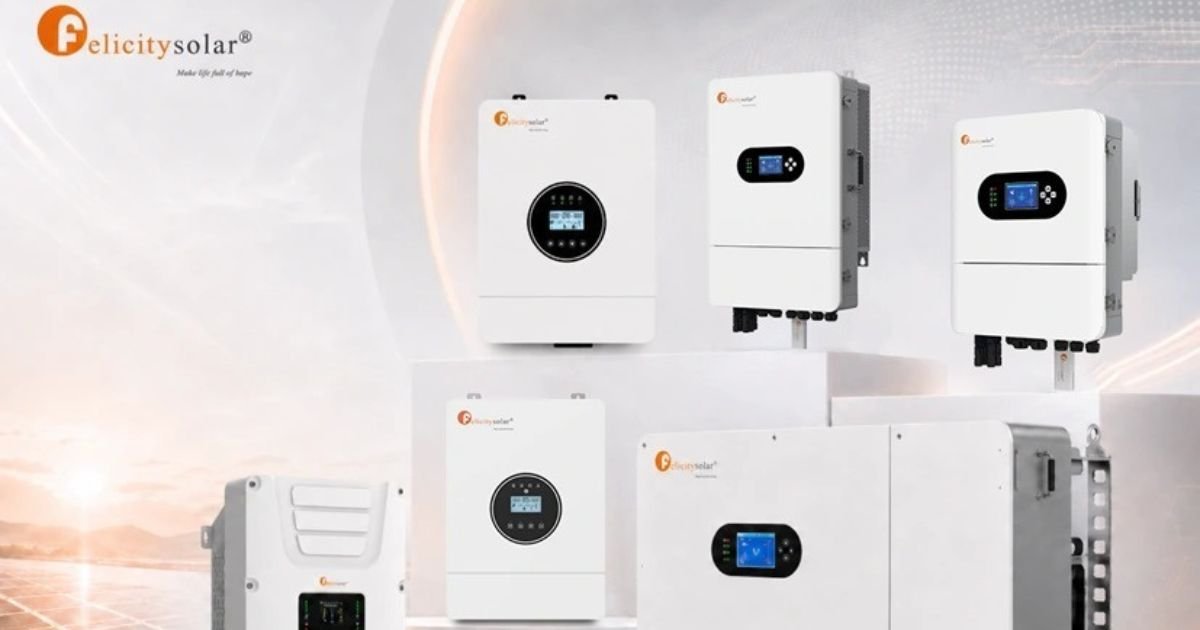
Choosing an inverter lithium battery requires more than comparing prices or battery capacities. The right product must supply enough energy for your appliances, deliver the required power, and communicate correctly with the inverter.
Whether you are installing a home backup system or planning solar energy storage, understanding a few important specifications can help you avoid compatibility problems and unnecessary expenses.
Calculate Your Energy Requirements
Start by listing the appliances you want to operate during a power interruption. Record their power consumption in watts and estimate how many hours each appliance will run.
Multiply each appliance’s wattage by its operating hours to estimate its daily energy requirement in watt-hours. Add the individual figures to obtain the total energy demand.
For example, a 100-watt device running for five hours consumes approximately 500 watt-hours, or 0.5 kWh.
Your battery should have sufficient usable capacity to support the expected load, while allowing for inverter losses and a suitable reserve.
Understand Battery Capacity
Lithium battery capacity is commonly expressed in amp-hours (Ah) or kilowatt-hours (kWh). Kilowatt-hours are particularly useful when estimating how much energy a battery can supply.
For example, a nominal 5 kWh battery stores approximately 5 kWh of energy under its specified conditions. The amount delivered to appliances will be lower after accounting for permitted discharge limits and conversion losses.
Do not assume that two batteries with the same nominal capacity will provide identical usable energy. Check each manufacturer’s specifications.
Check Voltage Compatibility
Inverter lithium batteries are available in different voltage configurations. A battery designed for a low-voltage inverter may not be compatible with a high-voltage system.
Confirm the inverter’s supported battery voltage range before purchasing. Also check whether the inverter requires a specific battery communication protocol or approved battery model.
Incorrect voltage or communication settings can prevent normal operation or create safety risks.
Review the BMS and Discharge Rating
The battery management system helps monitor battery conditions and enforce operating limits. Its current rating must be suitable for the intended load and compatible with the inverter.
Check the battery’s continuous discharge current, peak current, and permitted surge duration. These specifications are important when operating appliances with high startup demand, such as certain pumps or refrigerators.
A battery with sufficient energy capacity may still be unsuitable if it cannot deliver the required power.
Select the Right Battery Chemistry
Lithium iron phosphate (LiFePO4) is commonly used for stationary energy storage because it offers good cycle life and thermal stability compared with several other lithium chemistries.
However, the overall quality and suitability of a battery depend on more than chemistry alone. Cell quality, BMS design, manufacturing standards, warranty coverage, and installation conditions all matter.
Review the complete product documentation before making a decision.
Compare Warranty and Total Cost
A lower purchase price does not always mean better value. Compare the warranty period, specified cycle life, usable capacity, efficiency, and replacement availability.
Ask the supplier about warranty exclusions, installation requirements, and technical support. It is also worth checking whether the product has the certifications required in your market.
These details can help you estimate long-term ownership costs rather than focusing only on the initial payment.
Follow Installation and Safety Requirements
Lithium batteries should be installed according to the manufacturer’s instructions and applicable electrical codes. Use correctly rated cables, fuses or circuit breakers, and other required protective equipment.
Keep the battery within its specified operating temperature range and protect it from moisture or physical damage where required. Do not mix incompatible batteries or alter the charging settings without manufacturer approval.
A qualified installer can help confirm that the battery, inverter, and protection equipment form a suitable system.
Conclusion
The best inverter lithium battery is one that matches your energy needs, power requirements, inverter specifications, and budget. Compare usable capacity, voltage, BMS ratings, chemistry, warranty, and safety requirements before purchasing. Careful planning can help create a reliable backup or solar storage system.
Disclaimer: This article is for general informational purposes only and does not constitute professional electrical, engineering, or safety advice. Battery specifications, usable capacity, voltage compatibility, BMS ratings, chemistry performance, warranties, and certifications vary by manufacturer and model, and may change without notice. Lithium battery installation must comply with the manufacturer’s instructions and applicable electrical codes. Incorrect voltage, wiring, or charging settings can cause equipment damage, fire, or serious injury. Readers should verify all product documentation and system compatibility directly with the manufacturer and have installation performed or approved by a qualified electrician or installer before use. Any mention of specific products or technologies does not imply endorsement. The author and publisher disclaim any liability for decisions made based on this content.
Find balance in a busy world—our wellness strategies help you recharge, refocus, and thrive.