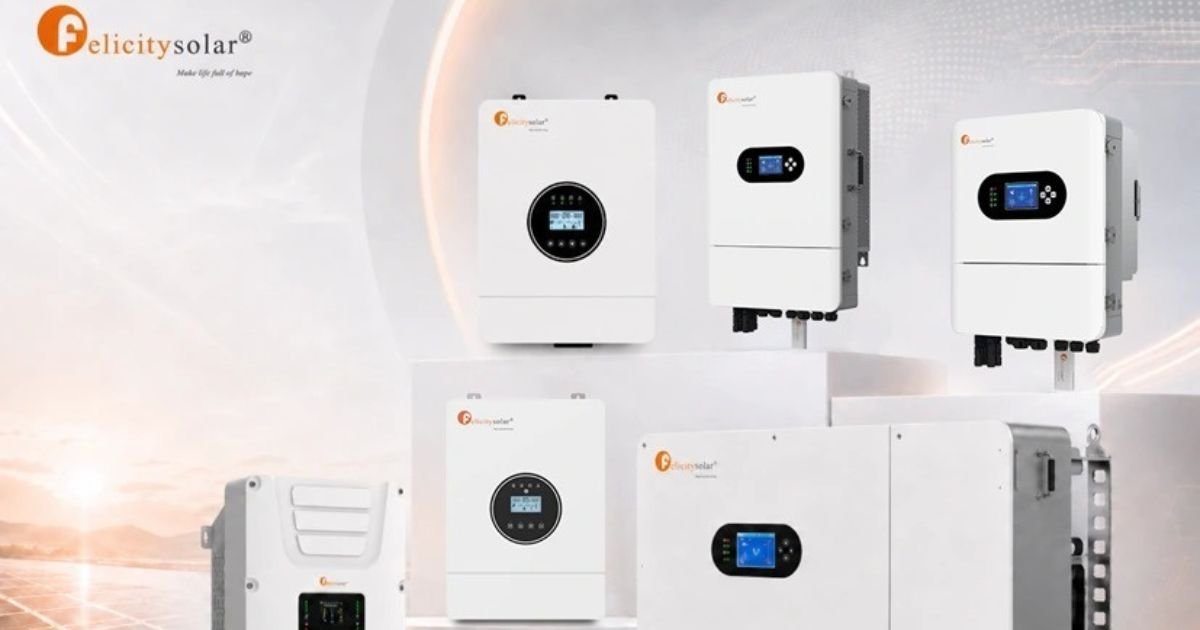
A low voltage lithium ion battery is a rechargeable energy storage solution used in solar power systems, home inverters, backup power equipment, and various electronic applications. These batteries store electricity for later use, helping households and businesses maintain access to power when solar generation is low or the electricity supply is interrupted.
Low voltage lithium batteries are popular because they offer efficient energy storage, relatively compact designs, and dependable performance when properly selected and installed. However, choosing the right battery requires understanding its voltage, capacity, chemistry, compatibility, and safety features.
This guide explains how low voltage lithium ion batteries work, where they are used, and what to consider before purchasing one.
What Is a Low Voltage Lithium Ion Battery?
A low voltage lithium ion battery is a rechargeable battery designed to operate within a lower voltage range than high voltage battery systems. In residential solar applications, low voltage batteries commonly use a nominal voltage around 12V, 24V, or 48V, although actual specifications vary by product.
These batteries store electrical energy through chemical reactions inside their cells. During charging, electricity is converted into stored chemical energy. During discharging, the battery releases that energy to operate connected equipment.
Many modern low voltage solar batteries use lithium iron phosphate (LiFePO4) chemistry. This chemistry is widely used in stationary energy storage because it offers good thermal stability and a long potential cycle life. Other lithium battery chemistries may be used depending on the application.
The term “low voltage” describes the battery system’s electrical voltage category; it does not mean that the battery has a small storage capacity. A low voltage battery can store several kilowatt-hours of energy, depending on its design.
How Does a Low Voltage Lithium Battery Work?
A low voltage lithium battery contains multiple electrochemical cells connected to provide the required voltage and capacity. A battery management system (BMS) monitors important operating conditions and helps protect the battery.
The process generally involves three functions:
1. Charging
A compatible charger, solar charge controller, or hybrid inverter supplies electricity to the battery according to the manufacturer’s charging requirements. The battery stores energy until it reaches its configured charge limit.
2. Energy Storage
The battery retains stored energy for later use. Its available capacity depends on the battery’s rated capacity, state of charge, temperature, age, and operating limits.
3. Discharging
When connected equipment requires power, the battery supplies electricity through the appropriate electrical system. An inverter can convert the battery’s direct current (DC) into alternating current (AC) for common household appliances.
The BMS monitors factors such as cell voltage, temperature, and current. Depending on the product, it may reduce or interrupt charging and discharging when operating conditions exceed permitted limits.
Benefits of Low Voltage Lithium Ion Batteries
High Energy Efficiency
Lithium batteries generally provide efficient charging and discharging compared with many traditional lead-acid battery systems. This can help users make better use of stored electricity in daily solar applications.
Actual efficiency depends on battery design, inverter performance, temperature, power demand, and other system components.
Compact and Lightweight Design
Low voltage lithium batteries can offer substantial storage capacity in a relatively compact package. This makes them useful for homes, small offices, recreational vehicles, and installations where space is limited.
Wall-mounted and modular designs can also simplify the layout of certain residential energy storage systems.
Long Cycle Life
Many lithium batteries are designed to handle repeated charging and discharging over an extended period. Their service life depends on battery chemistry, operating temperature, depth of discharge, charge settings, and manufacturing quality.
When comparing products, review the rated cycle life and the conditions under which the manufacturer measured it.
Low Routine Maintenance
Unlike many flooded lead-acid batteries, sealed lithium battery systems generally do not require regular electrolyte top-ups. They still need suitable installation, periodic inspection, and monitoring according to the manufacturer’s instructions.
Useful for Solar Backup
A low voltage lithium ion battery can store excess electricity generated by solar panels and supply power when production decreases. In a properly configured system, it can also support essential appliances during grid outages.
The amount of backup available depends on usable battery capacity, inverter output, appliance demand, and the system’s backup configuration.
Common Applications of Low Voltage Lithium Batteries
Home Solar Energy Storage
Homeowners use low voltage batteries to store surplus solar electricity for evening consumption. A compatible hybrid inverter manages charging, household loads, and electricity flow.
The required battery size depends on how much electricity the household uses after sunset and how much backup power it wants to maintain.
Inverter and Backup Systems
Low voltage lithium batteries can be used with compatible inverters to support lighting, fans, routers, computers, and other selected appliances during power interruptions.
Before connecting a battery to an existing inverter, verify the battery voltage, charging profile, communication support, and current limits. Not every inverter designed for lead-acid batteries is automatically compatible with lithium batteries.
Small Commercial Installations
Shops, offices, and small businesses can use low voltage battery storage to support essential equipment and improve energy management. Applications may include network devices, point-of-sale systems, security equipment, and selected lighting circuits.
A professional assessment helps determine whether a low voltage system can meet the property’s power requirements.
Recreational and Mobile Applications
Some low voltage lithium batteries are used in caravans, boats, camping systems, and mobile equipment. These applications require products specifically designed for the relevant environment, vibration levels, charging sources, and electrical loads.
A battery suitable for stationary indoor storage may not be appropriate for a marine or vehicle installation.
Low Voltage vs. High Voltage Lithium Batteries
Low voltage and high voltage lithium batteries differ mainly in system voltage, electrical architecture, and typical installation requirements.
Low voltage systems commonly operate around 12V, 24V, or 48V nominal voltage. They are often used in smaller residential solar systems, backup equipment, and off-grid installations.
High voltage systems operate at substantially higher voltages and are used in some residential and commercial energy storage installations. Higher system voltage can reduce current for a given power level, but the system requires equipment specifically engineered for that voltage.
Neither option is universally better. The right choice depends on the inverter, storage capacity, power demand, installation design, cost, and manufacturer support. High voltage systems should only be installed and serviced by appropriately qualified professionals.
How to Choose the Right Low Voltage Lithium Ion Battery
Selecting a battery based on price alone can lead to compatibility problems or insufficient backup capacity. Consider these important factors before purchasing.
Battery Voltage
Confirm that the battery voltage matches the inverter or equipment requirements. A 12V battery, for example, should not be connected to an inverter that requires a 48V battery bank unless the system has an approved configuration designed for that purpose.
Capacity and Usable Energy
Battery capacity is commonly expressed in amp-hours (Ah) or kilowatt-hours (kWh). Kilowatt-hours make it easier to estimate how much energy a battery can provide.
For example, a nominal 48V, 100Ah battery has a nominal energy capacity of approximately 4.8kWh, calculated by multiplying voltage by amp-hours and dividing by 1,000. Its usable energy may be lower, depending on the manufacturer’s specifications and operating limits.
Continuous Power and Current Limits
Capacity tells you how much energy a battery can store, while current and power ratings indicate how quickly it can deliver that energy.
Check the battery’s continuous discharge rating and any short-duration peak rating. The battery and inverter must both support the expected appliance load, including startup surges from equipment such as refrigerators or pumps.
Battery Management System
Choose a battery with a suitable BMS and documented protection features. Depending on the design, these may include overcharge, over-discharge, overcurrent, short-circuit, and temperature protection.
Warranty and Manufacturer Support
Compare warranty terms, expected cycle life, technical documentation, and access to replacement products or service. Confirm that the warranty applies to your intended use and installation conditions.
Installation and Safety Considerations
Low voltage batteries can still deliver very high currents, creating a risk of overheating, electrical arcing, or fire if installed incorrectly. Use appropriately rated cables, connectors, fuses or breakers, isolation devices, and grounding arrangements where required by the system design.
Install the battery in a location that meets the manufacturer’s temperature, moisture, ventilation, and clearance requirements. Avoid direct heat, flooding, and unauthorized access.
Use a charger or inverter with an approved charging profile for the specific battery chemistry. Do not open the battery enclosure, bypass the BMS, or combine batteries with different specifications unless the manufacturer explicitly permits the configuration.
For a permanent solar installation, use a qualified installer who follows local electrical requirements and the manufacturer’s instructions.
Frequently Asked Questions
How long does a low voltage lithium ion battery last?
Its lifespan depends on chemistry, usage, temperature, charging practices, and product quality. Check the manufacturer’s cycle-life rating and warranty for a realistic comparison.
Can a low voltage lithium battery run a home inverter?
Yes, if the battery’s voltage, current limits, capacity, and communication requirements are compatible with the inverter. Always check the equipment documentation before connecting the battery.
Is a 48V lithium battery considered low voltage?
A 48V nominal battery is commonly classified as a low voltage battery in residential energy storage. However, its actual voltage varies with the battery design and state of charge, so installation must follow the manufacturer’s electrical specifications.
Is LiFePO4 suitable for low voltage solar storage?
LiFePO4 is a common option for solar storage because of its thermal stability and potential cycle life. Product quality, BMS protection, compatibility, and correct installation remain essential.
Can a low voltage lithium battery charge from solar panels?
Yes. It can charge through a compatible solar charge controller or hybrid inverter. The charging equipment must match the battery’s voltage, chemistry, and charging requirements.
Conclusion
A low voltage lithium ion battery can provide efficient, compact energy storage for solar systems, home inverters, backup power, and selected mobile applications. Its performance depends on choosing the correct voltage, usable capacity, discharge rating, battery chemistry, and protection features.
Before buying, calculate your energy requirements and verify compatibility with your existing equipment. With a suitable battery and professional installation, a low voltage lithium battery can support reliable everyday power management and make solar energy more useful when sunlight is unavailable.
Disclaimer: This article is for general informational purposes only and does not constitute professional electrical, engineering, or safety advice. Battery specifications, nominal voltage, usable capacity, BMS protection features, cycle life, and compatibility requirements vary by manufacturer and model, and may change without notice. Low voltage batteries can deliver very high currents, and incorrect installation, wiring, or charging settings can cause overheating, electrical arcing, fire, or serious injury. Readers must verify all product documentation, inverter compatibility, and safety requirements directly with the manufacturer, and have permanent installations performed by a qualified electrician or installer in accordance with applicable electrical codes. Any mention of specific technologies or chemistries does not imply endorsement. The author and publisher disclaim any liability for decisions made based on this content.
Unlock your full potential with proven methods—our success blueprints map out the path from where you are to where you want to be.