Walk through enough Australian sites and you will see the split: occupational hygiene lives in a specialist report; hearing checks live in a clinic calendar; noise and dust controls live in a supervisor’s habits. When those pieces do not talk, programs look complete on paper and thin in practice.
PCBUs must manage risks so far as reasonably practicable. This is general information, not legal or medical advice.
What occupational hygiene consulting contributes
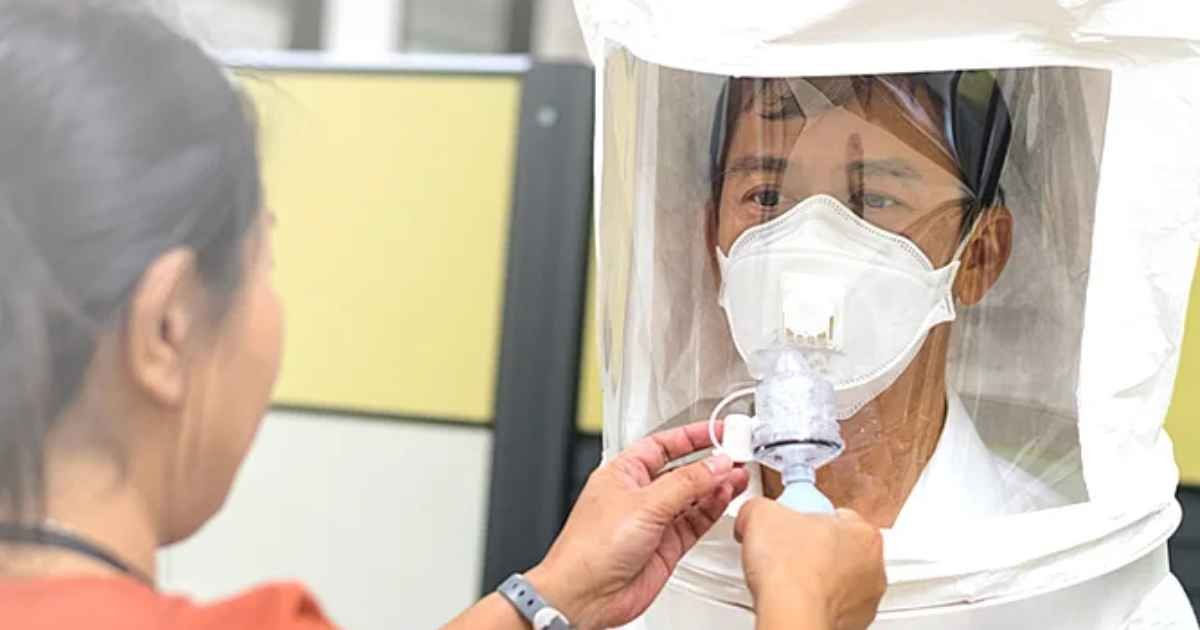
occupational hygiene consulting helps PCBUs build exposure programs around real work: which hazards matter on which tasks, what to monitor, how to interpret results, and which controls sit highest in the hierarchy. For many mid-market operators that includes dust, fumes, and the interface with noise as a worker-exposure issue—without pretending one report solves every hazard.
Consulting is the design and interpretation layer so monitoring purchases and PPE decisions are not improvisations. It also helps leaders brief supervisors with a consistent story across shifts and contractors.
What audiometric testing contributes
audiometric testing checks hearing thresholds over time for workers in a noise-exposed cohort. It is an early-warning and records tool inside a broader noise program that should still prioritise quieter plant and smarter job design before PPE. Testing does not replace noise assessment; it complements it. Privacy and dignity matter because results are health information.
How they should connect
Hygiene consulting can clarify whether noise is a significant exposure on particular tasks and what control pathway makes sense. Audiometric testing then provides the human feedback loop for people who remain in that cohort. Shared requirements still apply: named owners, careful handling of health information, and corrective actions that change controls when results warrant.
Practical design notes for mid-market PCBUs:
1. Keep scopes distinct—do not ask audiometry to answer a dust question.
2. Put both programs on the same WHS calendar with different owners if needed.
3. File reports where the compliance system or risk register can find them.
4. Use shutdowns for access, not as an excuse to blur methods.
5. Brief supervisors on actions, not only on “we got tested.”
Checklist for this week
Who owns hygiene recommendations after the last report? Who owns the hearing-check schedule? Are noise-exposed roles defined by task? If thresholds or exposures moved, what control review happened? Could a new supervisor find last year’s evidence in one place?
Mistakes to avoid
Buying hearing tests because dust felt hard to fix. Ignoring engineering controls because PPE and clinics are easier to book. Losing results in personal inboxes. Treating consulting advice as optional reading instead of an action list.
In practice, mid-market Australian PCBUs win when ownership is visible, methods match the question being asked, and evidence survives the next roster change without a scavenger hunt through old inboxes and forgotten shared drives.
Keep the tone factual: hierarchy of control first, competent measurement second, and records that a new supervisor can find on day one.
In practice, mid-market Australian PCBUs win when ownership is visible, methods match the question being asked, and evidence survives the next roster change without a scavenger hunt through old inboxes and forgotten shared drives.
Keep the tone factual: hierarchy of control first, competent measurement second, and records that a new supervisor can find on day one.
In practice, mid-market Australian PCBUs win when ownership is visible, methods match the question being asked, and evidence survives the next roster change without a scavenger hunt through old inboxes and forgotten shared drives.
Closing
Occupational hygiene consulting and audiometric testing belong in the same WHS conversation because healthy programs connect exposure design with human feedback—without merging them into one vague purchase. Keep methods clean, keep owners named, and let both streams drive better controls on the floor.
Disclaimer: The information in this article is for general informational purposes only and does not constitute legal, medical, or consulting advice. Work health and safety duties, noise exposure standards, and health monitoring requirements vary by Australian jurisdiction and may change without notice. Readers should follow Safe Work Australia guidance and consult their relevant WHS regulator and qualified professionals for site-specific advice. Any mention of providers or services does not imply endorsement. The author and publisher disclaim any liability for decisions made based on this content.
Get inspired by ideas that feel like soft sunlight – our warming perspectives bring comfort to your day.