A pool cover keeps leaves out, but it does not count as a legal safety barrier under local pool fencing laws. To keep your family safe and meet local codes, you need a permanent physical fence with a self-closing gate. Getting a professional swimming pool inspection is the easiest way to make sure your yard is safe and fully compliant.
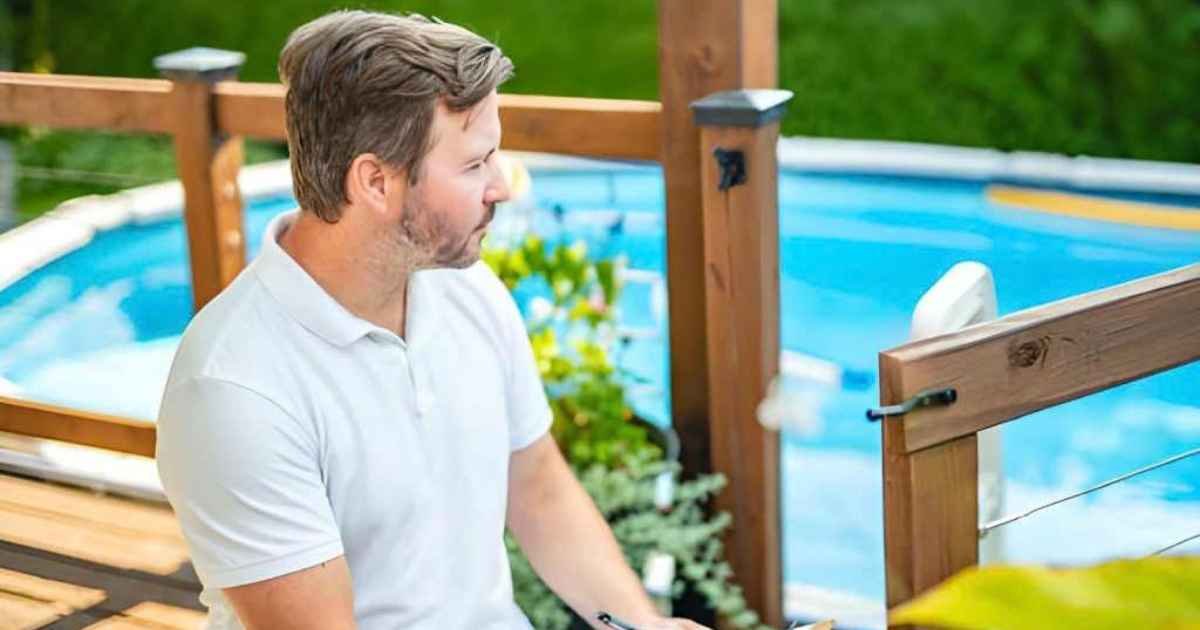
Having a pool in the backyard is a dream come true. You can splash around on hot summer days, host fun barbecues with friends, and relax after a long day at work. But owning a pool also comes with big responsibilities, especially when it comes to keeping kids and pets safe.
Many pool owners buy a heavy-duty pool cover and think, “Great! My pool is safe now.” It seems like a simple fix. The cover sits right over the water, so nobody can fall in, right?
Unfortunately, that is a dangerous myth. Relying on a cover instead of a real fence can lead to big fines or, worse, dangerous accidents.
Let’s break down why covers do not count as safety barriers, what the real rules are, and how to keep your yard safe.
Is a Pool Cover Considered a Legal Safety Barrier?
No, a pool cover is not a legal safety barrier under residential pool compliance laws. While safety covers help keep debris out and offer an extra layer of protection, laws require a permanent physical barrier, such as a four-foot fence with a self-closing, self-latching gate.
It is easy to see why people get confused. You buy a thick tarp or an automatic plastic cover, and it looks totally solid. You might think of it like a lid on a jar. If the lid is screwed on tight, nothing gets inside.
However, safety laws do not view pool covers as lids. Here is why:
- Human Error: People forget to put covers back on. If you take the cover off for a quick swim and leave it off while you eat lunch, the pool is completely open. A fence, on the other hand, is always standing.
- Mechanical Failure: Automatic covers can break. Snapped cables or stuck motors can leave your pool exposed when you least expect it.
- Water Traps: Rainwater can puddle on top of a soft cover. A small child can slip onto the cover and drown in just a few inches of collected surface water.
What Are the Real Requirements for Pool Safety Barriers?
A legal pool safety barrier must be a permanent structure at least 48 inches tall with no large gaps underneath or between slats. It must also feature a self-closing and self-latching gate that opens outward, away from the pool area.
Think of a pool barrier like a playground fence. Its only job is to keep little explorers out when an adult is not watching. If a toddler can climb over it, squeeze through it, or push the gate open, the barrier fails.
Here are the basic rules every pool owner needs to know:
1. Height and Gaps
The fence must be at least four feet (48 inches) tall from the ground outside the pool. The gap between the bottom of the fence and the ground cannot be more than two inches. This stops young kids from crawling under it.
2. Slat Spacing
If you have a wooden or metal picket fence, the vertical bars must be close together. The gap between bars cannot be wider than four inches. A good rule of thumb: if a standard soccer ball can fit through the gap, it is too wide.
3. Smart Gates
Gates are the most important part of any pool fence because they get used every day. Your gate must close on its own and latch shut without anyone pushing it. The latch handle must also be high enough so that little hands cannot reach it.
Pool Covers vs. Permanent Barriers: How Do They Compare?
To help you see the differences clearly, here is a simple comparison between pool covers and permanent fences:
| Feature | Pool Cover | Permanent Fence |
|---|---|---|
| Meets Legal Codes? | No (Not on its own) | Yes |
| Always Working? | No (Only when stretched over the pool) | Yes (24 hours a day, 7 days a week) |
| Keeps Out Leaves? | Yes | No |
| Prevents Unsupervised Access? | No | Yes |
| Requires Manual Effort? | Yes (Must put on and take off) | No (Works automatically) |
Why Is a Professional Swimming Pool Inspection Important?
A professional swimming pool inspection checks your fence, gates, locks, and surrounding yard to ensure everything meets local safety codes. It gives you official proof of compliance and protects your family and guests from avoidable accidents.
Pool laws can be confusing and vary by state. What works in one town might fail an inspection in the next town over.
A certified inspector acts like a friendly home detective. They walk around your yard with a tape measure and a checklist. They test your gate hinges, check for climbable trees or outdoor furniture near the fence, and make sure your barrier is strong.
Getting an expert to check your setup ensures your fence actually does its job.
Simple Steps to Make Your Pool Safe Today
You do not have to wait for an inspector to start making your pool area safer. Here are four quick things you can do right now:
- Test your gate: Open your pool gate all the way and let it go. Does it swing shut and latch on its own? Now open it just a few inches and let go. If it stays unlatched, you need to adjust or oil the hinges.
- Clear the fence line: Look for items near the outside of your pool fence. Move away lawn chairs, firewood piles, potted plants, or toys that a child could climb on to hop over the fence.
- Store your cover properly: When you take off your pool cover, fold it up and store it away from the pool edge so nobody trips over it.
- Schedule a professional check: Book a swimming pool inspection with a local safety expert to catch hidden problems before they become big issues.
Keep Your Backyard Fun and Safe
Owning a pool should bring joy, not stress.
While a pool cover is a wonderful maintenance tool, relying on it as a safety barrier puts your family and your wallet at risk.
By installing a proper four-foot fence with a self-closing gate, you create a safe space where everyone can relax. Take a few minutes today to check your gate, clear your fence line, and set up a professional check.
A safe pool is a happy pool!
Disclaimer: The information in this article is for general informational purposes only and does not constitute legal, safety, or professional compliance advice. Pool fencing laws, barrier requirements, and inspection standards vary by state, city, and jurisdiction, and may change without notice. Readers should verify all local regulations with their council or a licensed pool safety inspector before installing, modifying, or relying on any pool barrier. Always supervise children and pets around water regardless of barriers in place. Any mention of services or providers does not imply endorsement. The author and publisher disclaim any liability for decisions made based on this content.
Discover posts that feel like a quiet lullaby—our soothing articles ease your mind into rest.