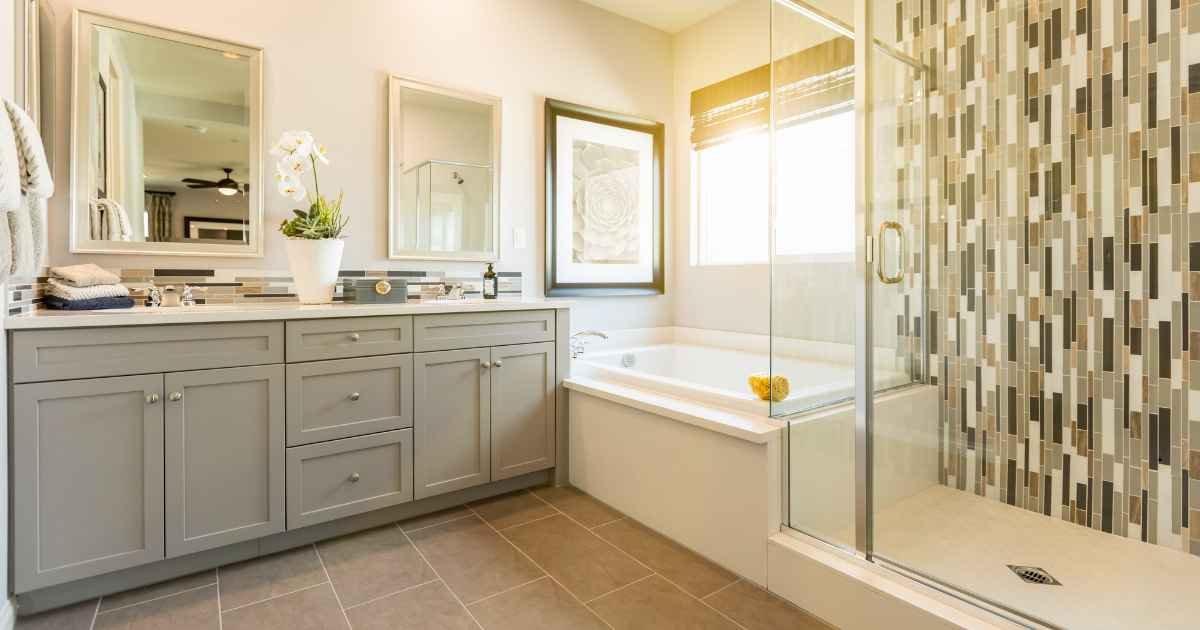
Most people don’t think much about their bathroom until something goes wrong. The tile cracks. The vanity swells at the base from years of splashes. The shower door won’t close flush anymore. As C&C Property Management notes, suddenly you’re staring at the room every morning wondering how much longer it can hold on.
If you’ve reached that point, a custom renovation is worth considering. Not a paint-and-pray refresh, but a proper rebuild that fits the room and the way you actually use it.
Why “custom” isn’t just a marketing word
Off-the-shelf bathroom packages exist for a reason. They’re quick, they’re predictable, and they work if your bathroom happens to be a standard shape with standard plumbing in standard spots. Most bathrooms aren’t.
Older homes have odd angles, load-bearing walls in inconvenient places, and plumbing runs that were fine in 1972 but wildly out of code now. Newer homes get thrown together with layouts that look great on paper and awkward in real life. Custom work means the design bends around your room instead of asking your room to bend around a catalogue.
That flexibility shows up in small ways. A niche cut into the shower wall exactly where you keep the shampoo. A vanity that stops shy of the door swing. A window kept because you like the morning light, even though the standard package would’ve boxed it in.
Working out what you actually need
Before you talk to anyone about tiles, sit with the room for a bit. What annoys you daily? What do you actually use? A soaking tub sounds lovely until you realise you’ve had four baths in six years.
Budget honestly, then add a buffer
Bathrooms are the most expensive room per square metre in most homes. Plumbing, waterproofing, tiling, and electrical all show up in one small space, and any of them can throw up surprises once the walls come off. Whatever number you land on, add fifteen to twenty percent for the things nobody could’ve predicted. Old cast iron pipes. Rotten framing behind the vanity. A subfloor that’s been slowly turning to biscuit for a decade.
Layout comes before finishes
It’s tempting to start with a Pinterest board full of black tapware and terrazzo tile. Resist for a minute. The layout (where the toilet sits, where the shower goes, whether the vanity is single or double) determines almost everything else. Getting it right the first time is much cheaper than moving a drain later.
The stages of a bathroom renovation
Every job runs a bit differently, but the shape of it usually looks like this:
- Design and quote. Measurements, a plan, product selections, and a fixed price or detailed estimate.
- Strip out. The old bathroom comes out. This is loud, dusty, and faster than you’d expect.
- Rough-in. Plumbers and electricians run new pipes and cables to where the new fixtures will sit.
- Waterproofing. The most boring stage and the most important. Anything skipped here shows up as a mould problem in eighteen months.
- Tiling. Floors first, then walls, with the layout planned so cuts land in the least visible spots.
- Fit-off. Vanity, toilet, tapware, shower screen, lighting, all installed.
- Final checks. Silicone, cleaning, and a walk-through to catch anything that needs touching up.
A full renovation typically runs three to five weeks on site, longer if you’re moving structural walls or waiting on custom joinery.
Choosing the right team
This is where a lot of projects go sideways. A cheap quote from someone juggling too many jobs will cost you more in delays and callbacks than a fair quote from a team that shows up when they say they will. Ask for recent addresses you can drive past. Ask who does the waterproofing and whether they’re separately licensed for it. Ask what happens if a tile comes in cracked or a vanity arrives with the wrong finish.
If your project is in Sydney’s inner west, experienced Auburn custom bathroom renovators know the quirks of the local housing stock, from Federation cottages to newer townhouses, and can plan for them upfront rather than discover them mid strip-out.
Whoever you pick, get everything in writing. Fixtures by brand and model number, tile by name and finish, timelines with realistic buffers, and payment stages tied to actual milestones rather than calendar dates.
Small choices that make a big difference
A few things punch well above their weight in a bathroom, and they’re worth spending time on:
- Lighting. One overhead light isn’t enough. Add wall lights beside the mirror at face height, or you’ll be applying makeup and shaving in your own shadow.
- Ventilation. An undersized exhaust fan is why bathrooms turn mouldy. Pay for one that actually clears the steam, and vent it outside, not into the roof cavity.
- Storage. Recessed shelving and drawers instead of doors keep things findable. A single big drawer is often more useful than three small ones.
- Floor slope. Water needs to go to the drain. If the fall is wrong, you’re mopping every shower for the next twenty years.
None of these are exciting on a mood board, but you’ll notice them every day.
A bathroom you’ll actually like
The point of a custom renovation isn’t a room that looks good in photos for a week. It’s a room that works the way you live, holds up to daily use, and still feels calm to walk into on a Monday morning. Get the planning right, pick people you trust, and give the job the time it needs. The bathroom you end up with is one you won’t want to renovate again for a long time.
Disclaimer: The information provided in this article is for general informational and educational purposes only. It does not constitute professional construction, renovation, or home improvement advice. Every bathroom project is unique; readers should consult licensed tradespeople for site‑specific assessments and quotes. The author and publisher disclaim any liability for property damage, financial losses, or outcomes arising from reliance on this content. Always obtain multiple written quotes and verify contractor credentials before starting work. This article does not endorse specific products or service providers.
Unlock the power of knowledge—explore curated treasures that crack real-world puzzles wide open.