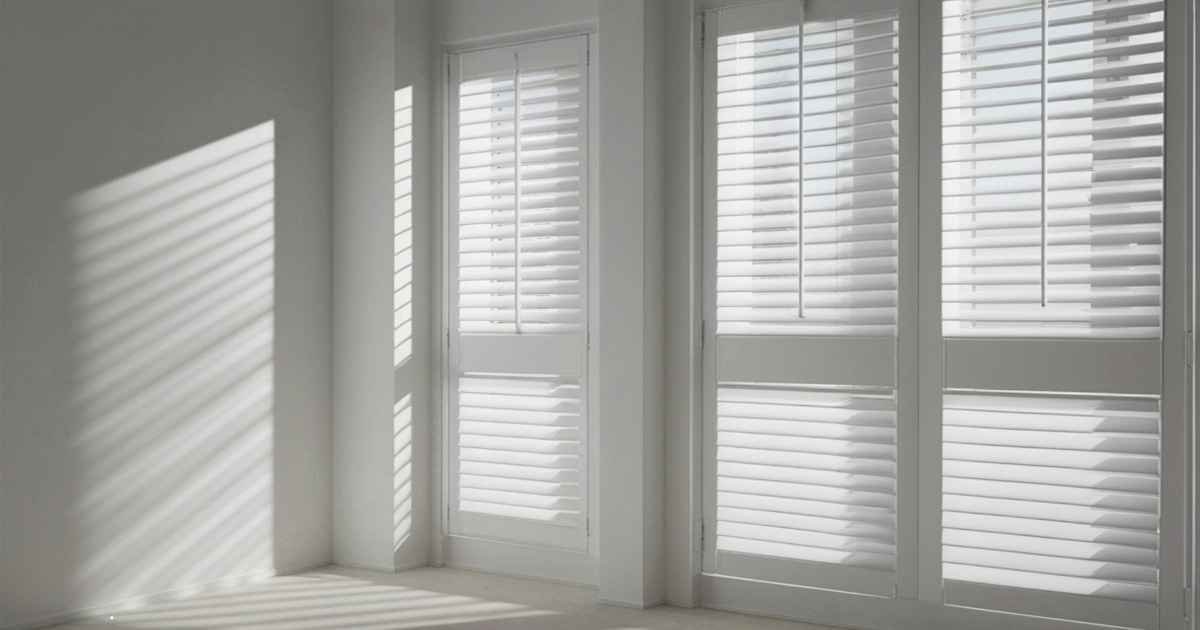
Shutters are one of those home features that look simple from across the room and get surprisingly complicated the moment you actually try to buy them. As the Lebanon Management team points out, between frame styles, louver sizes, tilt rods, materials, and mounting types, there’s a lot going on behind what looks like a pretty straightforward wooden panel.
If you’re thinking about custom shutters for your place, here’s what’s actually worth paying attention to before you put money down.
Why Custom Beats Off-the-Shelf for Most Homes
Off-the-shelf shutters exist, and for a standard-sized window in a rental where you don’t care too much about the finish, they’re fine. The problem is that most houses don’t have standard windows. Older homes especially tend to have openings that are slightly out of square, a bit taller than a stock size, or shaped in ways that no big-box product is going to cover.
Custom shutters get built to your actual window, not a rough approximation of it. That means the panels sit flush, the frames match the depth of your recess, and you don’t end up with awkward light gaps around the edges. It also means you get to pick the louver size, the frame style, and the finish, rather than choosing whichever combination happens to be in stock.
The other thing to keep in mind: shutters are semi-permanent. You’re not swapping them out every couple of years like curtains. Paying a bit more for something that fits properly and looks right in your space usually pays off over the years you’re living with them.
Materials Matter More Than You’d Think
The material you choose changes almost everything about how the shutter performs and how it looks. The main options you’ll come across:
Basswood
Basswood is the go-to for classic timber shutters. It’s lightweight, takes paint and stain well, and has a nice grain. If you want that warm, real-wood look, this is usually the pick. Downside: it doesn’t love humid rooms, so kitchens and bathrooms can be a gamble.
PVC and polymer
Modern PVC shutters have come a long way from the cheap-looking versions of twenty years ago. They handle moisture, they don’t warp, and they clean easily. The trade-off is weight and a slightly plastic feel up close. Fine for most rooms, ideal for wet areas.
Aluminium
Almost always used outdoors. If you’re looking at shutters for the exterior of your home, whether for privacy, storm protection, or that Mediterranean coastal look, aluminium is the standard. It doesn’t rust, doesn’t rot, and takes a powder-coat finish in whatever colour you want.
Hybrid options
Some manufacturers now do a timber-look composite that behaves like PVC but looks closer to real wood. Worth asking about if you can’t decide between the two.
Style Choices That Actually Affect the Room
There are four style categories most people end up choosing from, and each one changes the feel of the space in a different way.
Full-height shutters cover the entire window in one panel. They give a clean, formal look and are the most common choice for living areas and bedrooms.
Tier-on-tier splits the window into two independent sections, top and bottom. You can open one while keeping the other closed, which is useful if you want light from the top of the window while keeping privacy at eye level.
Café-style shutters cover only the lower half of the window. They’re popular in kitchens and street-facing rooms where you want privacy from passersby but don’t want to lose the natural light coming in above.
Solid-panel shutters have no louvers. They’re closer to interior doors than traditional shutters, and they suit older, more traditional homes where a louvered look would feel out of place.
Louver size matters too. Larger louvers (around 89mm to 114mm) let in more light when open and give a modern feel. Smaller louvers (around 63mm) look more traditional and control light more precisely.
Measuring Is Where Most DIY Attempts Fall Apart
If you take one thing from this article, take this: don’t measure your own windows for custom shutters unless you really know what you’re doing. Windows are almost never perfectly square. Frames have depth variations. Recessed windows behave differently than face-mounted ones. A measurement that’s off by 3mm at the top and 5mm at the bottom will give you shutters that never quite sit right.
A good Custom Window Shutters Specialist will come out, measure everything themselves, check for square, note the frame depth at multiple points, and take responsibility if anything doesn’t fit. That accountability alone is usually worth the cost of going with someone experienced rather than doing it yourself.
What About Cost?
Custom shutters are more expensive than blinds or curtains, and it’s worth being upfront about that. Per window, you’re generally looking at a few hundred dollars at the lower end for smaller PVC panels, and well into the thousands for larger timber installations with premium finishes.
A few things that push the price up:
- Larger windows and doors
- Bay windows or angled shapes
- Premium timber species
- Specialty finishes or colour matching
- Motorised tilt rods
If you’re working to a budget, it’s often smarter to do the most visible rooms in premium shutters and use blinds or curtains in less visible areas, rather than stretching a small budget across every window in the house.
Care and Longevity
Well-made shutters can last twenty or thirty years. The main things that shorten their life are moisture damage on timber and mechanical wear on the tilt mechanisms. Dust them occasionally, wipe them down with a slightly damp cloth if needed, and avoid harsh cleaning chemicals.
If a louver breaks or a tilt rod comes loose, most quality installers offer repairs. It’s usually cheaper than replacing a whole panel.
Worth the Effort
Getting shutters right takes more thought than picking curtains off a shelf, but the result is one of the few window treatments that actually adds value to a home rather than dating it. Take your time picking the style and material, get someone who knows what they’re doing to measure and install, and you’ll have windows you’re happy to look at for a long time.
Disclaimer: The information provided in this article is for general informational and educational purposes only. It does not constitute professional home improvement or purchasing advice. Shutter materials, pricing, and installation requirements vary; readers should consult a qualified specialist for their specific window measurements and home needs. The author and publisher disclaim any liability for decisions or outcomes arising from reliance on this content. Always obtain multiple quotes and verify credentials before hiring a contractor. This article does not endorse specific products or brands.
Looking for answers? Find them in our clear-cut reads that make confusion disappear.