An SEO manager pitched thirty websites for backlinks, and it took him an entire afternoon. A few of them replied, and three said yes. A week later, nobody on the team remembers those three, what was promised, or who still needs a nudge. The links slip through the cracks, the campaign stalls, and next month, the whole thing starts from scratch.
This will sound familiar to you if you work in the SEO industry. This is the part most guides skip when they explain what link building is. The concept itself is simple. It’s the execution where things fall apart. This does not happen because your strategy was wrong, but because you didn’t have anything to track the process. Link building doesn’t fail at the pitch. It fails at the follow-up, and that’s a problem no amount of SEO knowledge alone can fix.
What Is Link Building?
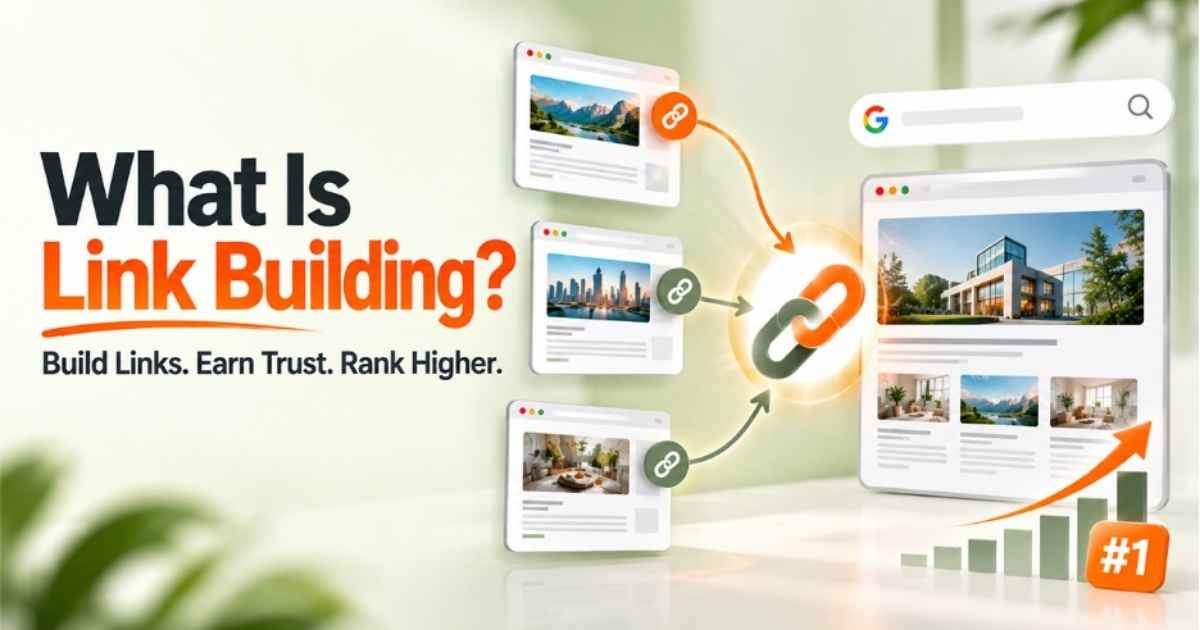
Link building is the process of earning high-quality links from other trusted websites that point back to your own. Google and other search engines see these backlinks as a vote of confidence. When a reputable site links to one of your pages, it signals to search engines that your content is useful to readers, carries real value and deserves attention.
If you build enough of these links from the right kind of websites, your search rankings will improve over time. Link building falls under off-page SEO, since it takes place outside your own website. This is what makes it different from on-page factors like keyword usage or page speed, which you can control directly.
How Does Link Building Work?
At its core, link building follows a simple path: you look for a relevant website, get a link placed on it, and then wait to see if your rankings improve. But the “getting a link placed” part is not as simple as it sounds.
- There is a page that you want to rank, sometimes called the destination page.
- There’s the site willing to link to you, often known as the donor.
- Then, there comes the anchor text. It is the clickable words that describe what the link is about.
When you get any of these wrong, say, a spammy anchor text or an irrelevant donor site; the link can do more harm than good. This is exactly where things start falling apart. You can reach out to fifty sites if you want, and you might even get ten replies. However, somewhere between the fifth follow-up email and the excitement of a “yes,” you start losing track of which link actually went live and where.
Why Is Link Building Important for SEO
A strong backlink profile can influence more than rankings, helping your website build credibility, attract qualified visitors, and strengthen its presence across search results.
Builds Trust With Search Engines:
A link from a reputable site tells Google that your content is valuable and good enough that it has been vetted by someone else. It’s not proof by itself, but it adds up over time, and enough of these boosts your credibility score in the right direction.
Drives Referral Traffic:
A good backlink does more than just help you rank on the first page. It can send actual visitors to your site, especially if your content is placed on a page that people already trust, read, and engage with.
Influences Search Rankings:
Pages with strong, relevant backlinks perform better than pages without them, all else being equal. It’s not the only factor anymore, but it still carries real weight.
Supports Long-Term SEO Stability:
Sites with a healthy, diverse backlink profile are less vulnerable to sudden ranking drops. A single algorithm update rarely wipes out years of consistent, honest link building.
Increases Brand Visibility:
Whenever your name shows up on someone else’s platform, whether through a guest post or an expert quote, more people come to know about your brand and notice you. That awareness compounds over time.
Link Building Metrics You Should Track
Tracking the right metrics helps you separate valuable backlink opportunities from low-quality ones and make smarter decisions about where to focus your outreach efforts.
Domain Authority (DA) and Page Authority (PA):
These scores determine how likely a domain, or a specific page is to rank well. Higher numbers generally mean stronger link value, though they’re not the only thing worth checking. Before pitching any site, it’s worth running it through a DA PA Checker to see whether the numbers actually support the effort you’re about to put in.
Referring domains:
This counts the number of unique websites that link to you, not just the total number of links. Ten links from ten different domains carry more weight than ten links from the same one.
Anchor text distribution:
This focuses on the different kinds of words that have been used in your backlinks. A natural mix, some branded, some generic, and some keyword-based, looks organic. Whereas a bunch of identical anchor texts looks forced and manufactured which search engines notice and do not care about.
Link relevance:
A backlink is more valuable if it’s from a site in your own industry rather than one from a completely unrelated niche. Relevance tells search engines that the link is contextual and offers real meaning.
Traffic potential of the donor site:
A link on a page that nobody visits won’t do you any good in terms of referral traffic, even if it has a decent domain score. Make sure to check whether the donor page actually gets visitors before pitching.
What Are the Best Link Building Tools?
From backlink research to outreach and quality checks, these tools help SEO teams find, evaluate, and act on link building opportunities.
| Tool | What it’s mainly used for | Good for |
| Ahrefs | Backlink analysis and competitor research | Finding where competitors get their links from |
| SEMrush | Link building toolkit and prospecting | Combining SEO audits with outreach planning |
| Moz Link Explorer | Domain and page authority tracking | Checking link quality before you pitch a site |
| Screaming Frog | Site crawling and broken link discovery | Spotting dead links worth reclaiming |
| Hunter.io | Email discovery for outreach | Finding the right contact before you pitch |
| DA PA Checker | Quick domain and page authority lookups | Fast vetting of a potential donor site |
These tools help you with research and discovery, telling you where to find link building opportunities. However, they don’t manage what happens after you hit send, which is exactly the gap CRM for SEO agencies are built to fill.
How Can a CRM Make Link Building Easier?
Finding the right opportunities is only the beginning; managing outreach, follow-ups, and relationships is where a CRM can make link building more efficient.
Keep Every Outreach Conversation in One Place:
CRM software keeps all information like who you’ve contacted, when, what was said and what’s still pending organized in one single view. You don’t have to spend hours digging through spreadsheets.
Automate Link Building Follow-Ups:
A polite, well-timed nudge two days after you sent a first pitch can help you turn a “maybe later” into a live backlink. This nudge can be automated with a CRM without anyone having to remember to send it manually.
Track Every Link Opportunity in One Pipeline:
You are not left guessing what happens after you hit send. A visual pipeline shows everything, from first contact to signed placement. This means no one on the team has to ask each other if they hear back from website owners.
Store Link Building Relationship History:
If a site said yes once, that relationship is worth revisiting for future campaigns, and a CRM makes sure that context doesn’t disappear once the project wraps up.
If you want to put this into practice, OutRightCRM deserves your attention. OutRightSystems, an IT company, has spent over 16 years developing CRM solutions, working with SuiteCRM and SugarCRM long before anyone even talked about “SEO-specific CRM”. That experience shows in the details: the SEO-agency edition was built around real outreach pain points, scattered client data, inconsistent reporting, missed follow-ups, not just a generic CRM with a new label. For agencies serious about link building, that depth of experience carries real weight.
Conclusion
The process of link building sounds easy and straightforward in theory. All you have to do is reach out to other relevant websites, ask them to link to yours, and hope your site gets a boost. But the real struggle starts after you send the first outreach email. Suddenly, you’re struggling with endless threads, trying to keep up with who needs a follow up, and track which links actually went live.
This is hardly about poor strategy. It is an organization problem. And this problem can be solved by the right CRM system. Pair a solid link building strategy with a system that keeps your relationships organized and systematic. This way, you won’t let promising opportunities slip through cracks due to a messy inbox.
Frequently Asked Questions (FAQs)
Q. Is link building still important for SEO in 2026?
Yes, though its weight has reduced slightly. Quality backlinks still influence rankings, trust, and referral traffic, even as search engines rely more on other ranking signals.
Q. How long does link building take to show results?
It varies widely, but most SEOs expect to see measurable ranking movement within three to six months, depending on competition and link quality.
Q. Are all backlinks equally valuable?
No. Relevant, high-authority links matter far more than a large volume of low-quality ones. One good link often outperforms dozens of weak ones.
Q. Can a CRM replace an outreach tool for link building?
Not entirely. A CRM manages relationships and follow-ups well, but many teams still pair it with dedicated prospecting or email-sending tools.
Q. What’s the biggest mistake beginners make in link building?
Chasing link volume over relevance. Getting links from unrelated or low-quality sites can hurt credibility instead of helping rankings grow.
Disclaimer: The information provided in this article is for general informational and educational purposes only. It does not constitute professional SEO, marketing, or CRM implementation advice. Link building strategies, search engine algorithms, and tool capabilities evolve continuously; readers should verify current best practices and test approaches against their own campaigns. The mention of specific tools, platforms, or companies is illustrative and does not imply endorsement. The author and publisher disclaim all liability for any ranking changes, business outcomes, or financial losses arising from reliance on this content. Always adhere to search engine guidelines and avoid manipulative tactics. This article does not guarantee specific SEO results or ranking improvements.
Discover articles that spark your imagination—start reading our imagination-sparking content and dream bigger.